
Bitcoin mining has evolved significantly over the years, with miners constantly seeking the most efficient hardware to maximize their returns. One of the most critical decisions miners face today is whether to invest in new or used ASIC miners. This article will explore the advantages and disadvantages of both options, helping you make an informed choice.
What Are ASIC Miners?
ASIC (Application-Specific Integrated Circuit) miners are specialized hardware designed specifically for mining cryptocurrencies like Bitcoin. Unlike general-purpose hardware, ASIC miners are optimized for the specific algorithms used in mining, making them far more efficient.
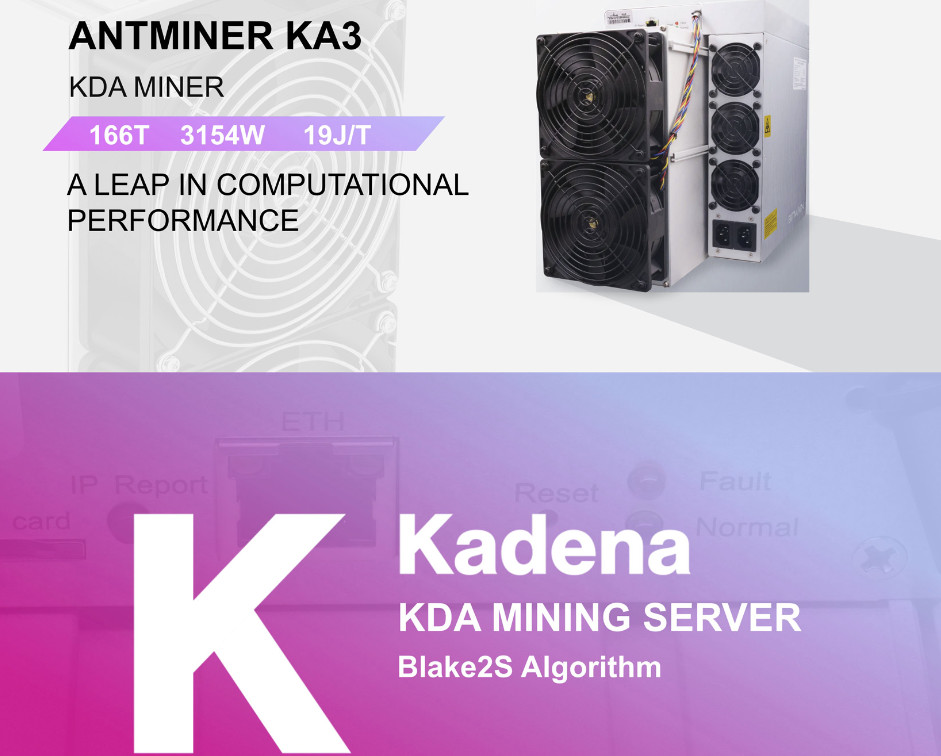
New ASIC Miners
Investing in new ASIC miners can provide several advantages:
- Performance: New models often come with improved hash rates and energy efficiency, which can lead to higher profitability.
- Warranty: New miners typically come with manufacturer warranties, offering peace of mind in case of hardware failure.
- Latest Technology: New miners incorporate the latest advancements in technology, ensuring optimal performance.
However, new miners also come with higher upfront costs. As noted in a recent article from OneMiners, many buyers often overlook the long-term operational costs associated with mining hardware.
Used ASIC Miners
On the other hand, used ASIC miners can be an attractive option for budget-conscious miners:
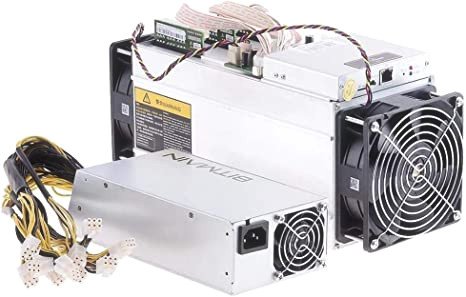
- Lower Initial Investment: Used miners can often be purchased at a fraction of the cost of new models.
- Availability: As newer models are released, older models become more accessible in the secondary market.
However, there are risks associated with buying used miners:
- Efficiency Concerns: Older models may not be as energy-efficient, leading to higher electricity costs.
- Limited Warranty: Used miners may not come with a warranty, increasing the risk of failure.
Efficiency vs. Cost
When deciding between new and used ASIC miners, efficiency should be a primary consideration. As highlighted in the OneMiners article, the efficiency of the miner can significantly impact profitability. In 2026, the USD hash price is approximately $32.10 per PH/s per day, making it essential to choose a miner that maximizes this metric.
Miners should also consider the total cost of ownership, which includes not just the purchase price but also electricity costs, maintenance, and potential downtime. A cheaper used miner may end up costing more in the long run if it consumes more power or requires frequent repairs.
Market Trends and Future Outlook
The landscape of Bitcoin mining is continually changing, influenced by technological advancements and regulatory developments. For instance, recent news from CoinDesk indicates that Bitcoin is facing challenges with miner support for new proposals, which could affect mining operations.
Moreover, as the demand for Bitcoin continues to grow, so does the competition among miners. Staying updated on market trends and technological advancements is crucial for making informed decisions about mining hardware.
Additional reading: Bitcoin Red Team Says AI Is Finding Critical Exploits Across Core Projects from Decrypt.
Conclusion
Choosing between new and used ASIC miners is a critical decision for anyone involved in Bitcoin mining. While new miners offer the latest technology and efficiency, used miners can provide significant cost savings. Ultimately, the best choice will depend on your specific circumstances, including budget, electricity costs, and long-term goals. For more insights on mining decisions, check out the full analysis on OneMiners.