

Bitcoin mining has evolved significantly since its inception, becoming a complex and competitive industry. Understanding the profitability and technology behind Bitcoin mining is crucial for anyone looking to enter this space.
What is Bitcoin Mining?
Bitcoin mining is the process by which new bitcoins are created and transactions are verified on the Bitcoin network. Miners use powerful computers to solve complex mathematical problems, and in return, they are rewarded with bitcoins. This process not only secures the network but also introduces new coins into circulation.
Profitability of Bitcoin Mining
The profitability of Bitcoin mining depends on several factors, including:
- Electricity Costs: Mining requires substantial energy, and electricity costs can significantly impact profitability.
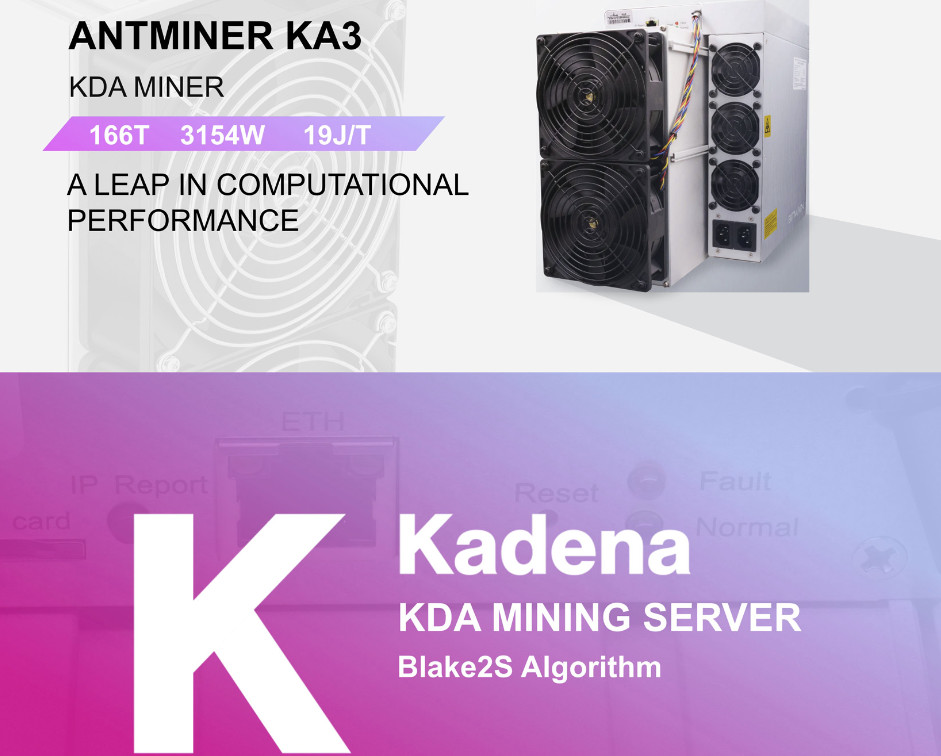
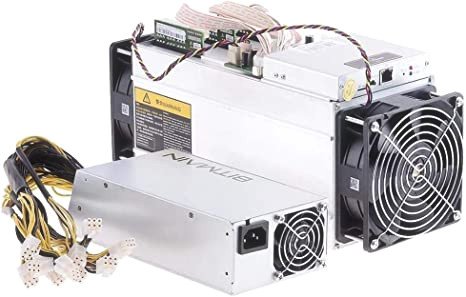
- Mining Hardware: The efficiency of mining hardware, measured in terahashes per second (TH/s), plays a critical role. For instance, the Antminer S23 Hydro delivers 580 TH/s at 9.5 J/TH, making it one of the most efficient miners available today.
- Bitcoin Price: The market price of Bitcoin directly affects mining profitability. Higher prices can lead to increased profits, while lower prices can make mining unprofitable.
Latest Technology in Bitcoin Mining
Advancements in mining technology continue to shape the industry. The introduction of more efficient mining rigs, such as the Antminer S23 Hydro, showcases how technology is pushing the boundaries of what is possible in Bitcoin mining. These rigs not only improve hash rates but also reduce energy consumption, which is crucial for maintaining profitability.
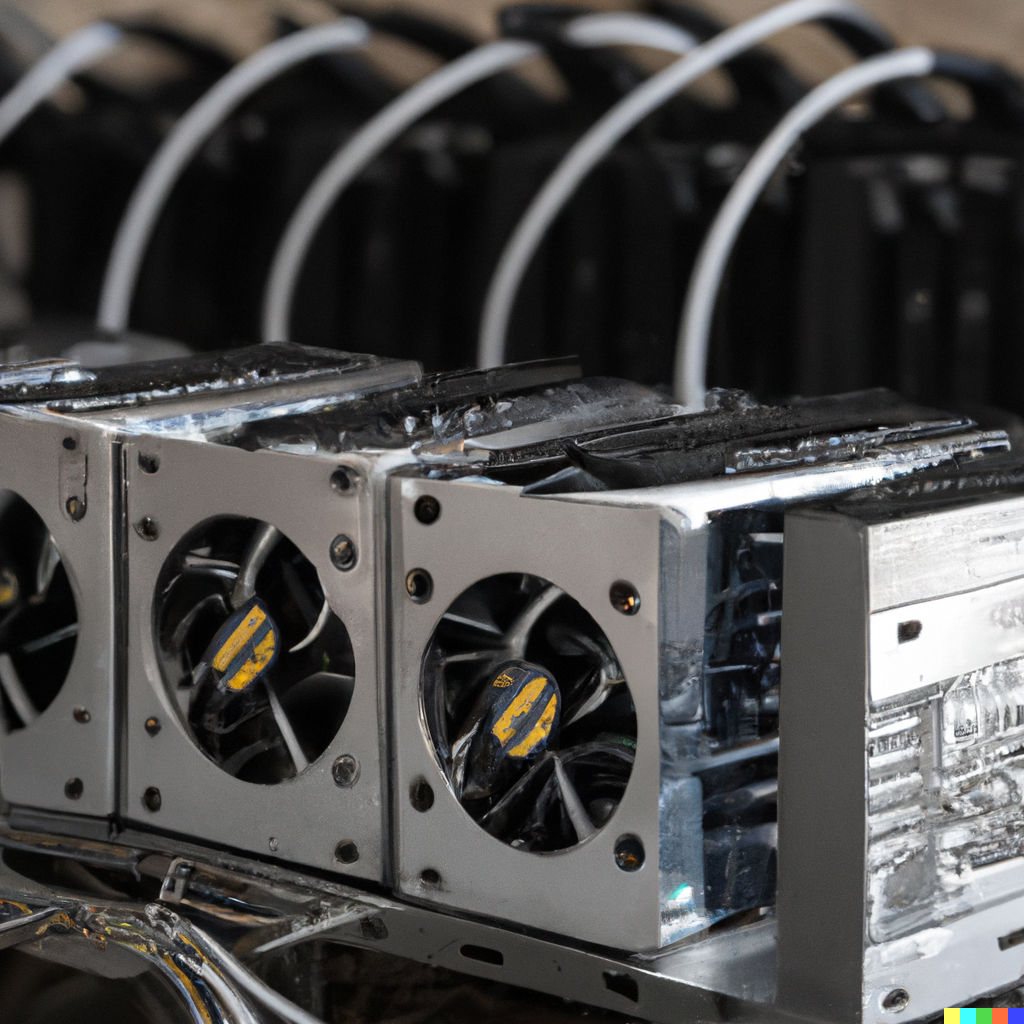
Moreover, the trend towards hydro cooling systems is gaining traction. These systems help manage heat more effectively, allowing miners to operate their rigs at optimal temperatures, thus enhancing performance and longevity.

Challenges in Bitcoin Mining
Despite the potential for profit, Bitcoin mining faces several challenges:
- Regulatory Issues: As the industry grows, so does scrutiny from regulators. Recent discussions around pro-crypto initiatives highlight the ongoing regulatory landscape that miners must navigate. For more on this, see the article from Bitcoin Magazine.
- Environmental Concerns: The energy consumption of Bitcoin mining has raised environmental concerns. Miners are increasingly looking for sustainable energy sources to mitigate their carbon footprint.
- Market Volatility: The cryptocurrency market is known for its volatility, which can lead to unpredictable mining profitability.
Future of Bitcoin Mining
Looking ahead, the future of Bitcoin mining will likely be shaped by technological advancements and regulatory developments. As demand for cryptocurrencies continues to grow, miners will need to adapt to changing market conditions and technological innovations.
For instance, companies like CoreWeave are pivoting towards AI infrastructure, indicating a shift in focus within the tech landscape that could impact mining operations. This trend highlights the need for miners to stay informed about broader technological shifts and their implications for the industry. Read more about this shift in the article from CoinDesk.
Conclusion
Bitcoin mining is a dynamic field that combines technology and finance. Understanding the factors that influence profitability, the latest advancements in mining technology, and the challenges faced by miners is essential for anyone interested in this industry. As the landscape continues to evolve, staying informed will be key to success.