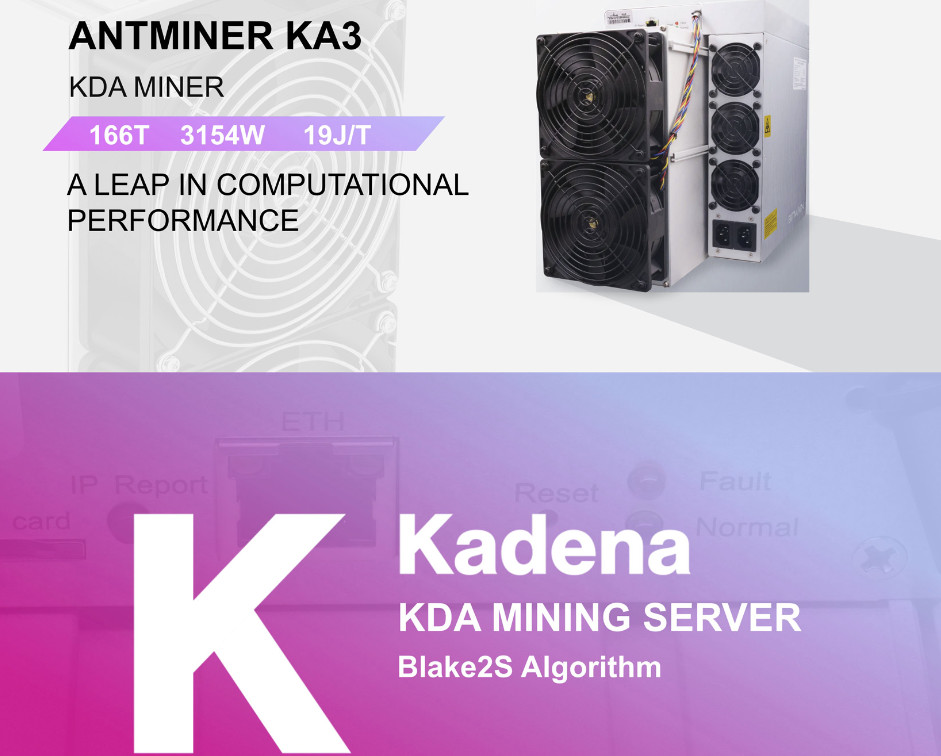


Bitcoin mining has evolved significantly over the years, becoming a complex and competitive industry. As of 2026, recent developments indicate a contraction in mining capacity, with public miners cutting their operational capacity by 15%. This shift has resulted in a 10% decrease in the overall Bitcoin network hashrate, raising questions about the future of mining profitability and sustainability.
Current Trends in Bitcoin Mining
One of the most notable trends is the increasing influence of artificial intelligence (AI) on the mining sector. For the first time, AI revenue has surpassed mining revenue, indicating a potential shift in focus for investors and miners alike. This change could lead to a reevaluation of investment strategies within the cryptocurrency space.
According to OneMiners, the recent contraction in hashrate has significant implications for mining difficulty and hashprice, which are critical factors for miners’ profitability. As the network adjusts to these changes, miners still operating must adapt to a new landscape where competition is fiercer than ever.
Impact of Capacity Cuts
The decision by public miners to reduce capacity is not without consequences. With fewer miners contributing to the network, the difficulty of mining Bitcoin is expected to decrease, potentially making it easier for remaining miners to earn rewards. However, this also means that the overall security of the network could be at risk, as a lower hashrate may make it more vulnerable to attacks.
Moreover, the reduction in mining capacity raises concerns about the long-term sustainability of the industry. Miners must consider their operational costs, especially in terms of electricity consumption and hardware maintenance. As energy prices fluctuate, the profitability of mining operations can be severely impacted.
Future of Bitcoin Mining
Looking ahead, the future of Bitcoin mining will likely be shaped by technological advancements and regulatory changes. Miners are increasingly investing in more efficient hardware and exploring renewable energy sources to mitigate costs and environmental impacts. The integration of AI in mining operations could also lead to more optimized processes, enhancing overall efficiency.
Furthermore, as the cryptocurrency market matures, regulatory scrutiny is expected to increase. Miners will need to navigate these regulations carefully to ensure compliance while maintaining profitability. The balance between innovation and regulation will be crucial for the survival of mining operations.
For more insights on the evolving landscape of Bitcoin mining, check out this article from Bitcoin Magazine that discusses recent developments in the industry.
Conclusion
In conclusion, Bitcoin mining is at a crossroads, facing challenges from reduced capacity and the rise of AI. Miners must adapt to these changes to remain competitive and ensure the sustainability of their operations. As the industry evolves, staying informed about trends and technological advancements will be essential for success.
Additional reading: Metaplanet CEO breaks silence but shareholders say the hard questions remain unanswered from CoinDesk.