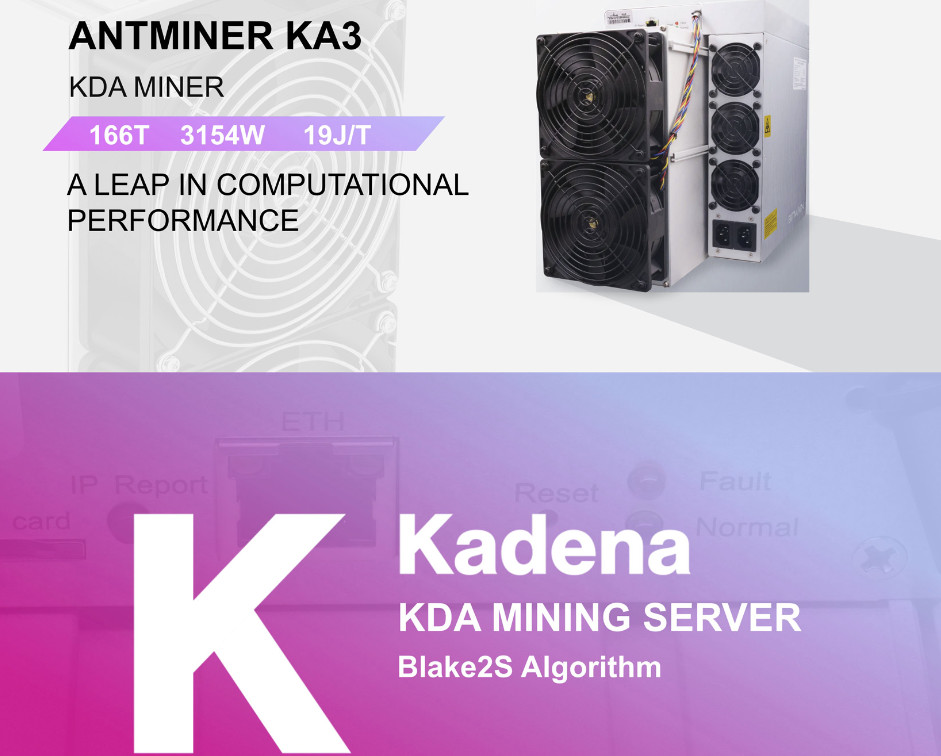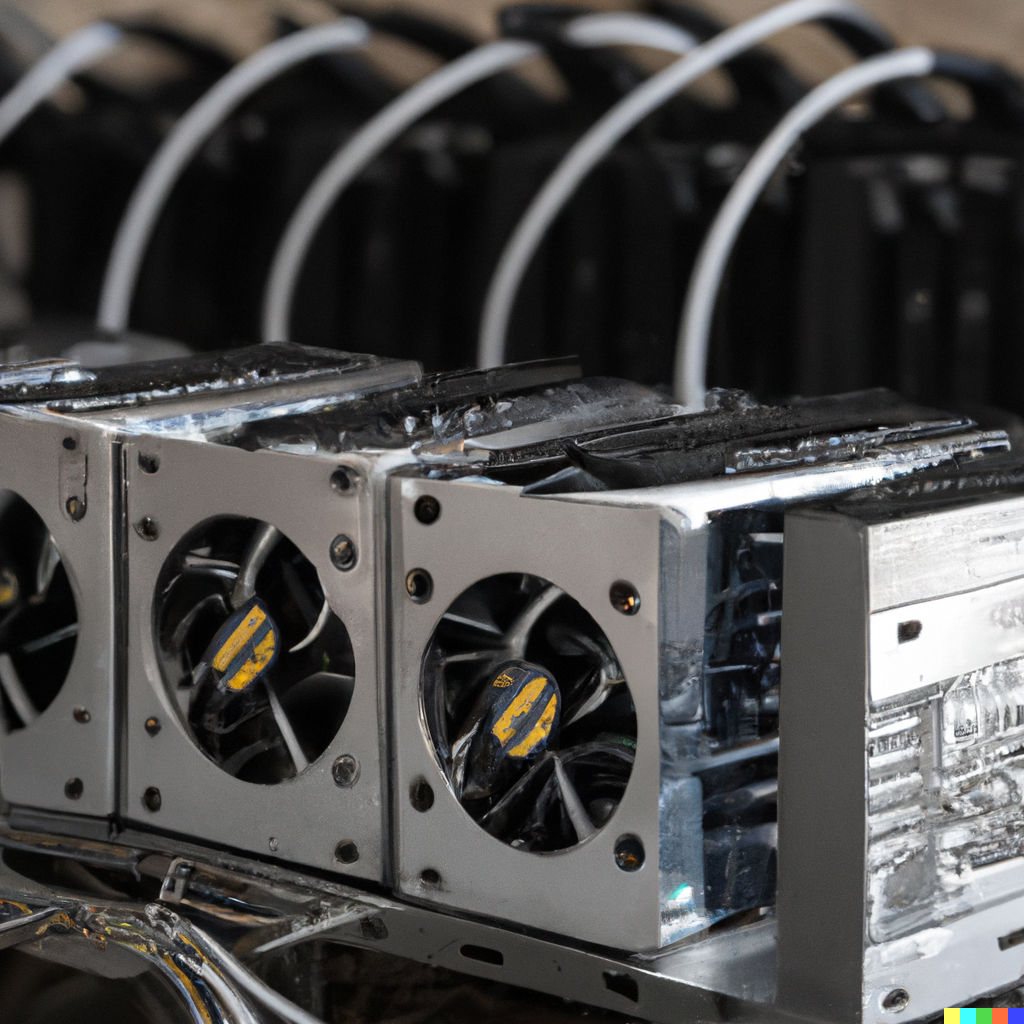

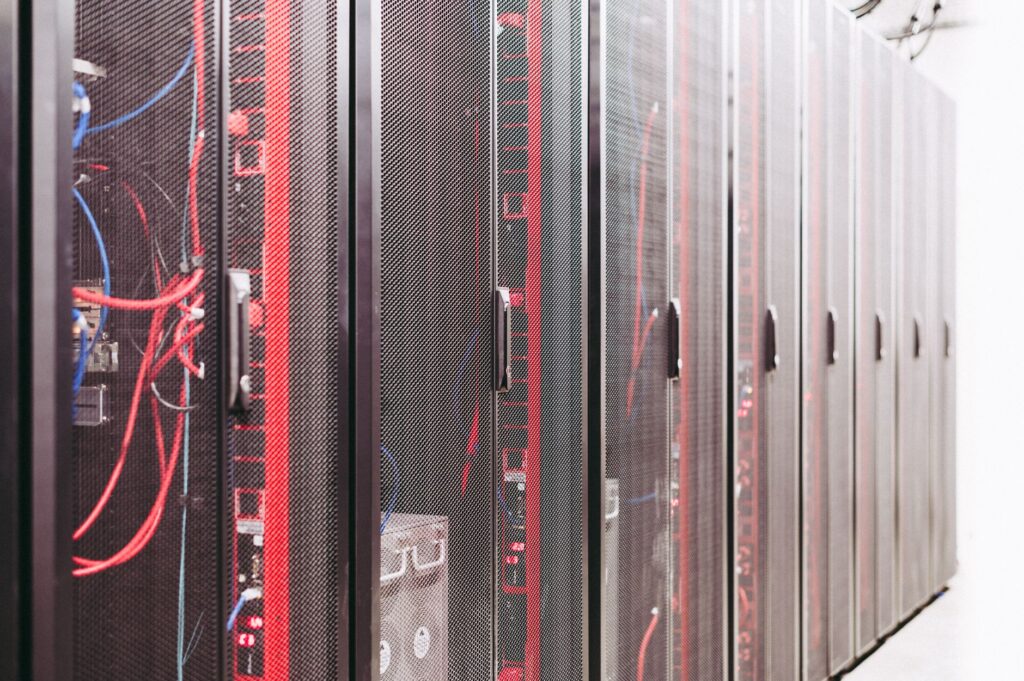
Bitcoin mining is a crucial component of the cryptocurrency ecosystem, serving as the backbone for transaction verification and network security. As the demand for Bitcoin continues to grow, understanding the intricacies of mining operations becomes increasingly important.
What is Bitcoin Mining?
Bitcoin mining involves solving complex mathematical problems to validate transactions on the Bitcoin network. Miners compete to add new blocks to the blockchain, and in return, they receive Bitcoin as a reward. This process not only secures the network but also introduces new coins into circulation.
The Role of Uptime in Mining Operations
One of the most critical factors in Bitcoin mining is uptime. Uptime refers to the amount of time mining equipment is operational and actively contributing to the network. High uptime is essential for maximizing profitability, as downtime can lead to lost revenue.
According to a recent article on OneMiners, many hosting services advertise impressive uptime percentages, but the actual definitions and conditions can vary significantly. Understanding the nuances of uptime promises is vital for miners looking to optimize their operations.
Miners should ensure that their equipment is regularly maintained and monitored to achieve high uptime. This includes routine checks on hardware, software updates, and addressing any potential issues before they lead to significant downtime.
Efficiency: The Key to Sustainable Mining
Efficiency in Bitcoin mining is another critical aspect that miners must consider. This encompasses not only the performance of mining hardware but also the energy consumption associated with mining operations. Efficient mining setups can significantly reduce operational costs and improve overall profitability.
As highlighted in various reports, including those from CoinDesk, the energy demands of Bitcoin mining have raised concerns regarding sustainability. Miners are increasingly looking for ways to utilize renewable energy sources to power their operations, thereby reducing their carbon footprint.

Strategies for Improving Uptime and Efficiency
- Regular Maintenance: Schedule routine maintenance to prevent equipment failures.
- Invest in Quality Hardware: Use high-quality, efficient mining rigs to maximize output.
- Monitor Performance: Utilize software tools to track uptime and performance metrics.
- Optimize Energy Usage: Explore renewable energy options to reduce costs and environmental impact.
By implementing these strategies, miners can enhance both uptime and efficiency, leading to improved profitability in the competitive landscape of Bitcoin mining.
Conclusion
In conclusion, Bitcoin mining is a complex yet rewarding endeavor that requires careful attention to uptime and efficiency. By understanding these factors and taking proactive measures, miners can ensure their operations remain profitable and sustainable in the long run. For more insights on mining uptime, check out the detailed analysis on OneMiners.
Additional reading: Ringleader of $245M Crypto Theft Pleads Guilty from Bitcoin Magazine.