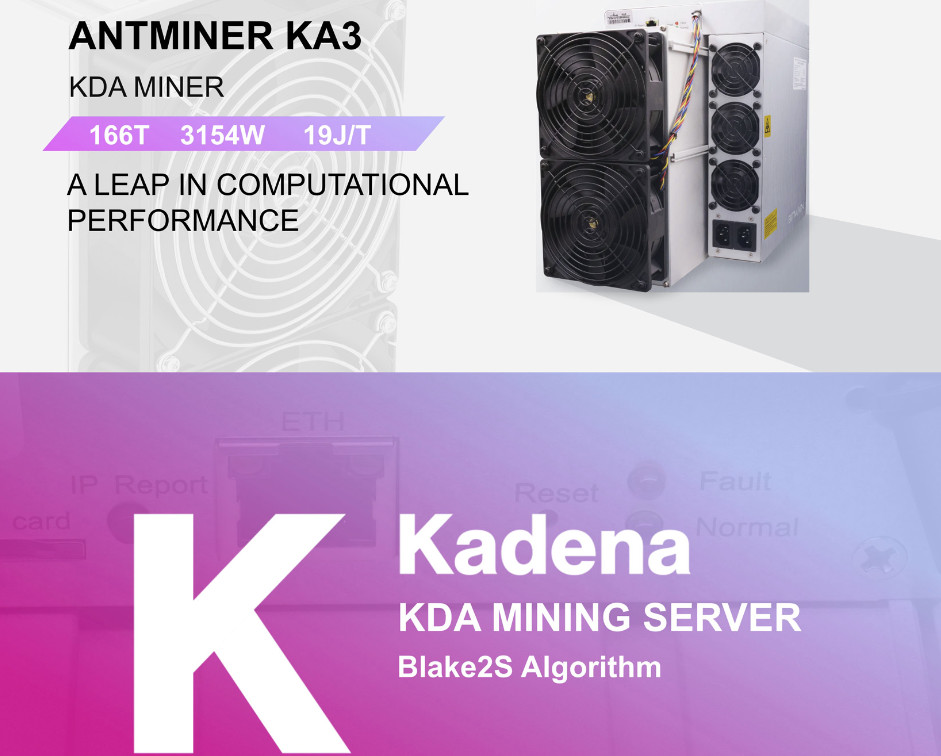

Bitcoin mining is a crucial process that underpins the entire Bitcoin network. It involves solving complex mathematical problems to validate transactions and secure the network. As the popularity of Bitcoin continues to rise, understanding the intricacies of mining becomes essential for anyone interested in the cryptocurrency space.
What is Bitcoin Mining?
At its core, Bitcoin mining is the process of adding transaction records to Bitcoin’s public ledger, known as the blockchain. Miners use powerful computers to solve cryptographic puzzles, and in return, they are rewarded with newly minted Bitcoins and transaction fees. This decentralized approach ensures that no single entity controls the network.
The Mining Process
The mining process can be broken down into several key steps:
- Transaction Verification: Miners collect transactions from the Bitcoin network and verify their authenticity.
- Block Creation: Verified transactions are grouped into a block.
- Solving the Puzzle: Miners compete to solve a cryptographic puzzle associated with the block.
- Adding to the Blockchain: The first miner to solve the puzzle adds the block to the blockchain and broadcasts it to the network.
For a more detailed overview of the mining process, check out this beginner’s guide from OneMiners.

Benefits of Bitcoin Mining
Bitcoin mining offers several advantages, including:
- Decentralization: Mining helps maintain the decentralized nature of Bitcoin, preventing any single entity from gaining control.
- Financial Incentives: Miners are rewarded with Bitcoin, which can be a lucrative venture if done correctly.
- Transaction Fees: In addition to block rewards, miners earn transaction fees from the transactions they include in blocks.
Challenges Faced by Miners
Despite its benefits, Bitcoin mining also presents several challenges:
- High Energy Consumption: Mining requires significant amounts of electricity, leading to concerns about environmental impact.
- Hardware Costs: The initial investment in mining hardware can be substantial, and equipment can become obsolete quickly.
- Difficulty Adjustment: The Bitcoin network adjusts the difficulty of mining approximately every two weeks, which can affect profitability.
For insights on the financial aspects of Bitcoin and its market dynamics, consider reading this article from Bitcoin Magazine.

The Future of Bitcoin Mining
As Bitcoin continues to evolve, so too does the landscape of mining. Innovations in technology, such as more efficient mining hardware and renewable energy sources, are paving the way for a more sustainable mining future. Additionally, regulatory developments may shape how mining operations are conducted globally.
For a broader perspective on the regulatory environment surrounding cryptocurrencies, you can read about the SEC’s recent stance on DeFi and lending practices in this CoinDesk article.
Conclusion
Bitcoin mining is a complex yet fascinating aspect of the cryptocurrency ecosystem. While it offers significant rewards, it also comes with its own set of challenges. By understanding the mining process and staying informed about industry developments, miners can navigate this evolving landscape effectively.