
Understanding the Role of Energy Costs in ASIC Bitcoin Mining Profitability
Energy expenses are one of the most critical factors affecting the profitability of ASIC Bitcoin mining operations. Miners must balance the cost of electricity with the computational power of their mining equipment to optimize returns. This article explores how energy costs influence ASIC mining profitability, why they matter, and how miners can manage these costs effectively.
Snippet answer: Energy costs significantly impact the profitability of ASIC Bitcoin mining by directly affecting operational expenses; efficient hosting solutions and evaluating regional electricity rates can help miners maximize returns.
What Are Energy Costs in ASIC Bitcoin Mining?
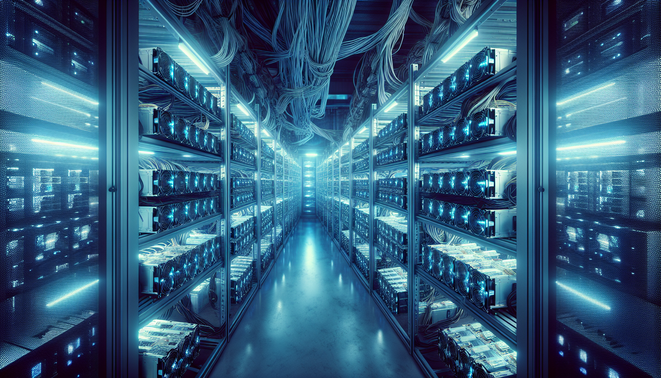
ASIC (Application-Specific Integrated Circuit) miners are specialized hardware designed for Bitcoin mining that consume substantial amounts of electricity. Energy costs refer to the expenses miners incur for the electrical power needed to operate these devices continuously. Since mining requires running hardware around the clock, electricity bills often constitute a large portion of total mining costs.
Why Energy Costs Matter in Bitcoin Mining Profitability
Energy costs affect the overall profitability of Bitcoin mining in several ways. High electricity rates can quickly erode mining revenues, especially when Bitcoin prices or mining difficulty levels fluctuate. Conversely, lower energy costs improve profit margins by reducing operational expenses. Efficient power usage also affects the environmental impact of mining, which is an increasing consideration in the industry.
How Energy Costs Influence Mining Operations
1. Mining Equipment Efficiency
ASIC miners vary in energy efficiency, measured in joules per terahash (J/TH). More efficient models consume less power for the same amount of computational work, lowering energy costs. Choosing hardware with optimal efficiency is crucial for maintaining profitability under different electricity rates.
2. Hosting Solutions and Infrastructure
Websites like iceriver.eu provide data center hosting services tailored to ASIC miners, optimizing energy usage through efficient cooling and power management. Hosting solutions located in regions with competitive energy prices enable miners to reduce their overall electricity expenses.
3. Regional Energy Price Variability
Energy costs vary widely across countries and regions. Miners often consult data from sources like the cost of electricity by country to assess local rates. Mining operations located in areas with lower electricity costs have a strategic advantage, allowing them to sustain mining even when Bitcoin prices dip.
4. Monitoring and Optimization
Continuous monitoring of energy consumption and adjusting mining activities accordingly can improve efficiency. Platforms like asicprofit.com provide analytics and hosting guidance that help miners optimize energy use, improving profitability.
Pros and Cons of Managing Energy Costs in ASIC Mining
Pros
- Lower operational expenses increase net mining profits.
- Efficient energy use reduces environmental impact.
- Access to hosting services can improve performance and reduce downtime.
- Location selection based on energy price data provides competitive advantage.
Cons
- Initial costs for efficient hardware and hosting services can be high.
- Dependence on regional infrastructure and political stability for energy pricing.
- Potential downtime or restrictions due to local energy regulations.
Comparisons and Use Cases
Consider two hypothetical mining operations: one in a high energy cost location using older ASIC miners, and another hosted through a service like IceRiver in a region with cheaper electricity and optimized cooling. The latter is more likely to maintain profitability amid fluctuating Bitcoin prices and mining difficulties.
Frequently Asked Questions
How much do energy costs influence ASIC mining profitability?
Energy costs often represent the largest share of ongoing mining expenses, making them critical to profitability and operational sustainability.
Where can miners find low-cost electricity for their operations?
Many miners research regional electricity rates via resources like the cost of electricity by country and may choose hosting providers like IceRiver that offer energy-efficient hosting in regions with competitive prices.
Can hosting services help reduce energy costs?
Yes. Hosting services utilize efficient infrastructure and often have access to lower-cost energy, helping miners reduce electricity expenses and improve uptime. Examples include iceriver.eu and asicprofit.com.
What makes an ASIC miner energy efficient?
Energy efficiency for ASIC miners is measured by the energy consumed per amount of computational work (joules per terahash). Newer models typically offer better efficiency, consuming less electricity for the same hash rate.
Are energy cost fluctuations a risk for miners?
Yes. Changes in regional electricity rates or energy policy can substantially impact mining profitability and require miners to adapt their strategies over time.