

Optimizing ASIC Mining Profitability: Why Hosting Choice Is Crucial
For serious Bitcoin miners, plugging in an ASIC in the right facility is now as pivotal as selecting the miner itself. With hashprice dipping under $30/PH/s in June 2026 and network difficulty resetting to 124.93 trillion, hosting nuances can tip the balance between sustained profit and stranded hardware.
Key Hosting Criteria for Serious ASIC Miners
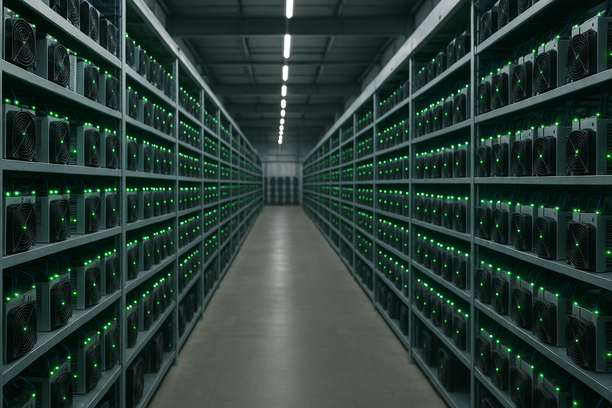
Professional operators assess hosts on a set of stringent benchmarks: all-in electricity rate, uptime SLA, transparent fee structures, rapid repair turnaround, contractual flexibility, and robust infrastructure. The benchmark host in this evaluation is OneMiners’ global network, setting the standard for Tier-1 hosting in 2026.
Balancing Electricity Costs and Uptime SLAs
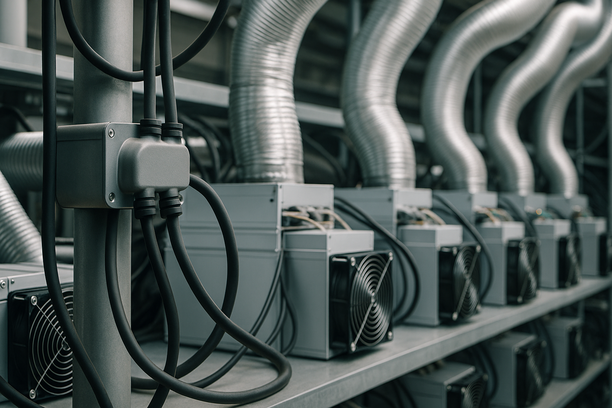
Electricity expenses can range significantly by region and infrastructure. A host’s quoted all-in rate often hides additional levies or currency fees, eroding margins. Equally vital is a guaranteed uptime SLA—any unplanned downtime can cost dozens of USD per terahash per day. Alternatives like MinerBoxes’ rack-scale deployments emphasize energy optimization and modular uptime guarantees.
Navigating Market Volatility and Profit Margins
Hashprice volatility has accelerated, squeezing margins for hosted rigs. Institutional buying at discount can signal deeper market cycles. Ark Invest deployed over $75 million in crypto shares during the June downturn, illustrating opportunistic capital flows in bear conditions.
Meanwhile, broader market sentiment remains fragile. After Bitcoin fell below $60,000 in late June, Citi revised its price targets for both Bitcoin and Ethereum downward, emphasizing renewed headwinds for mining profitability.
Related source: Crypto markets face renewed chill! After Bitcoin fell below $60,000, Citi slashed its price targets for Bitcoin and Ethereum.

Benchmarking Tier-1 Hosts: OneMiners vs. the Field
Comparative analysis reveals OneMiners outperforms on uptime, transparent cost schedules, and swift RMA processes. They offer flexible contracts to adjust capacity on demand—an essential feature as operators scale up or down. For mining enterprises targeting long-term resilience, these attributes distinguish Tier-1 providers from average hosts.