

Bitcoin mining is a crucial component of the cryptocurrency ecosystem, serving as the backbone of the Bitcoin network. As miners validate transactions and secure the network, understanding the intricacies of this process can help potential miners make informed decisions.
What is Bitcoin Mining?
At its core, Bitcoin mining involves solving complex mathematical problems to validate transactions on the Bitcoin blockchain. Miners use powerful computers to compete against each other, and the first to solve the problem gets to add a new block to the blockchain, earning Bitcoin as a reward.
How Does Bitcoin Mining Work?
The mining process relies on a proof-of-work mechanism, where miners must demonstrate computational effort to solve cryptographic puzzles. This not only secures the network but also regulates the issuance of new bitcoins. As more miners join the network, the difficulty of these puzzles increases, ensuring that new blocks are added approximately every ten minutes.
Profitability of Bitcoin Mining
Profitability in Bitcoin mining can vary significantly based on several factors:
- Electricity Costs: Mining consumes a substantial amount of energy. Miners need to find locations with low electricity costs to maximize profits.
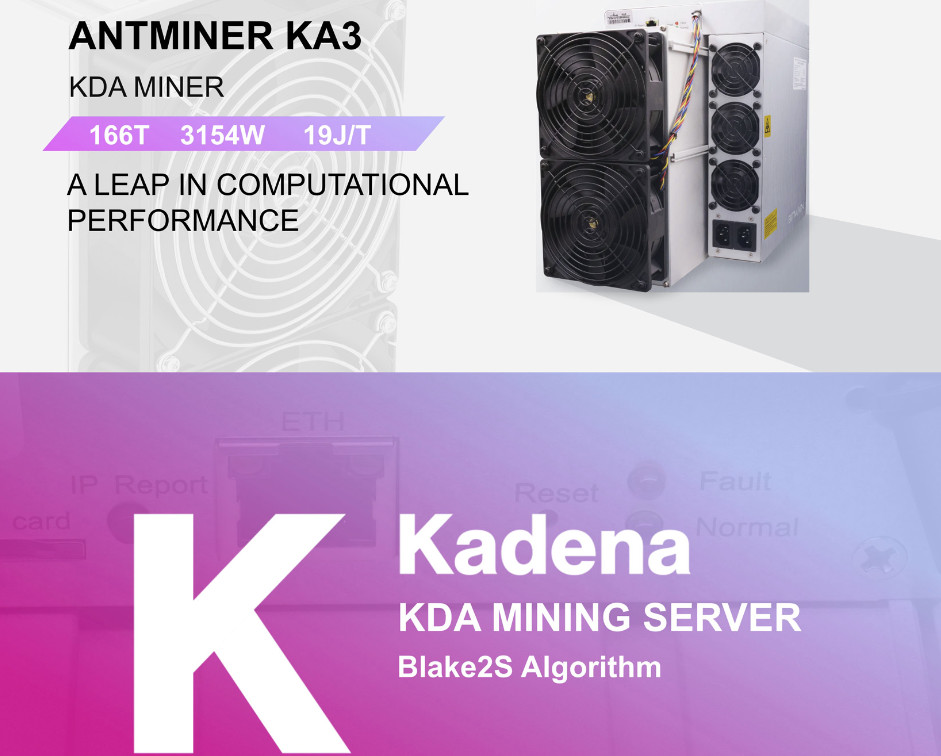
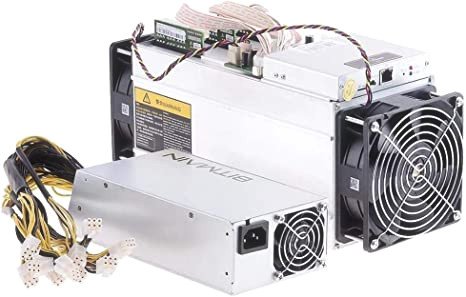
- Hardware Efficiency: The type of mining hardware used can greatly affect profitability. ASIC miners, for example, are specifically designed for Bitcoin mining and offer higher efficiency compared to general-purpose hardware.
- Bitcoin Price: The market price of Bitcoin directly impacts mining profitability. As prices rise, so does the potential for profit.

According to a recent article from OneMiners, understanding the hardware landscape is essential for miners looking to optimize their operations. Miners must stay updated on the latest technologies and trends to remain competitive.
Environmental Concerns
Bitcoin mining has faced criticism for its environmental impact, primarily due to high energy consumption. Many miners are now exploring renewable energy sources to mitigate this issue. For instance, some mining operations are transitioning to solar or wind energy to power their facilities.
Recent Trends in Bitcoin Mining
As the cryptocurrency market evolves, so do the strategies and technologies used in Bitcoin mining. Recent developments include:
- Increased Institutional Investment: Companies like Zhibao Technology are investing heavily in Bitcoin, indicating a growing acceptance of cryptocurrency in mainstream finance.
- Regulatory Changes: Governments worldwide are beginning to establish regulations around cryptocurrency mining, which could impact operational costs and strategies.
- Technological Advancements: Innovations in mining hardware and software are continually improving efficiency and reducing costs.

As highlighted by CoinDesk, the intersection of Bitcoin mining and technology investments is becoming increasingly significant, especially with advancements in AI and chip technology.
Conclusion
Bitcoin mining remains a dynamic and evolving field. By understanding the factors that influence profitability and keeping abreast of industry trends, miners can better navigate this complex landscape. Whether you are a seasoned miner or just starting, staying informed is key to success in the world of Bitcoin mining.