

Bitcoin mining is a crucial process that underpins the entire Bitcoin network. It involves solving complex mathematical problems to validate transactions and add them to the blockchain. This guide will delve into the mechanics of Bitcoin mining, its environmental implications, and the latest trends in the industry.
What is Bitcoin Mining?
At its core, Bitcoin mining is the process of creating new bitcoins and verifying transactions on the Bitcoin network. Miners use powerful computers to solve cryptographic puzzles, which require significant computational power. When a miner successfully solves a puzzle, they add a new block to the blockchain and are rewarded with newly minted bitcoins.
The Mining Process
- Transaction Verification: Miners collect transactions from the Bitcoin network and verify their authenticity.
- Block Creation: Verified transactions are grouped into a block, which is then added to the blockchain.
- Reward System: Miners receive a reward in the form of bitcoins for their efforts, incentivizing them to continue mining.
The mining process is competitive, with miners around the world racing to solve puzzles. This competition ensures the security and integrity of the Bitcoin network.
Environmental Impact of Bitcoin Mining
One of the most significant criticisms of Bitcoin mining is its environmental impact. The energy consumption associated with mining operations has raised concerns about sustainability. According to a report by CoinDesk, the energy used for Bitcoin mining is comparable to that of entire countries.
Energy Sources
Many mining operations rely on fossil fuels, contributing to carbon emissions. However, there is a growing trend towards using renewable energy sources, such as solar and wind power, to mitigate environmental damage.

Latest Trends in Bitcoin Mining
The Bitcoin mining landscape is continually evolving. Recent updates, such as the OneMiners app update, have introduced features aimed at improving mining efficiency and user experience. These advancements reflect the industry’s push towards greater sustainability and profitability.
Technological Innovations
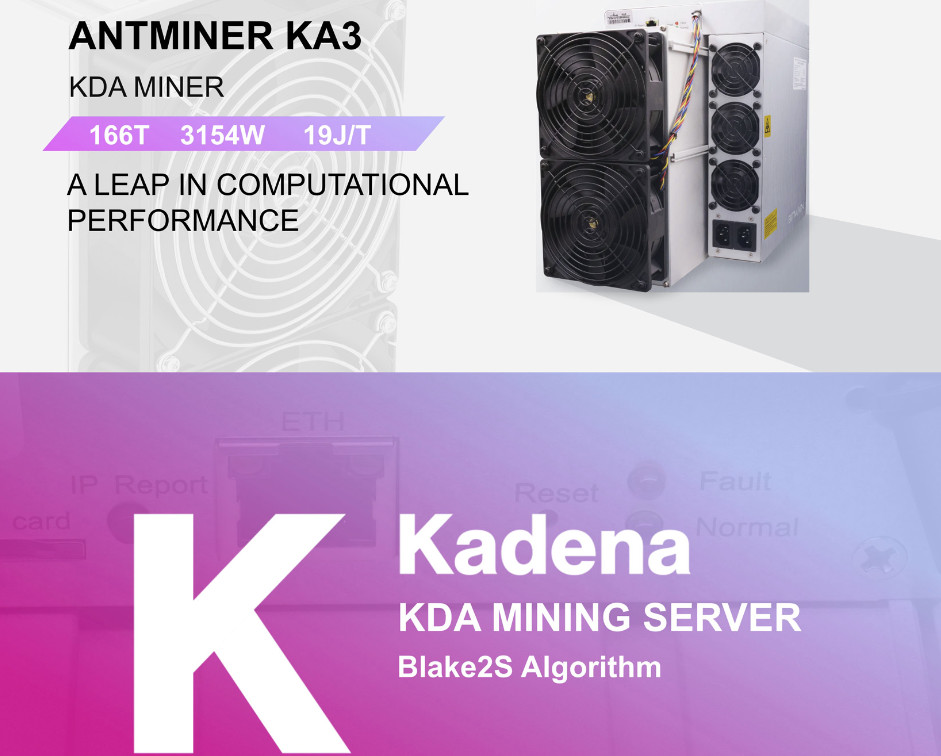
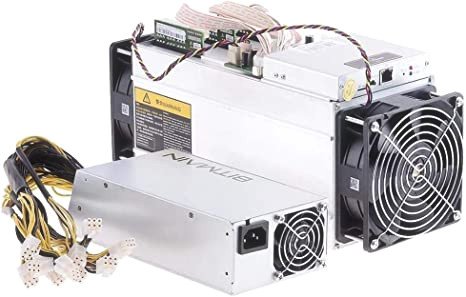
- ASIC Miners: Application-Specific Integrated Circuits (ASICs) are now the standard for mining due to their efficiency.
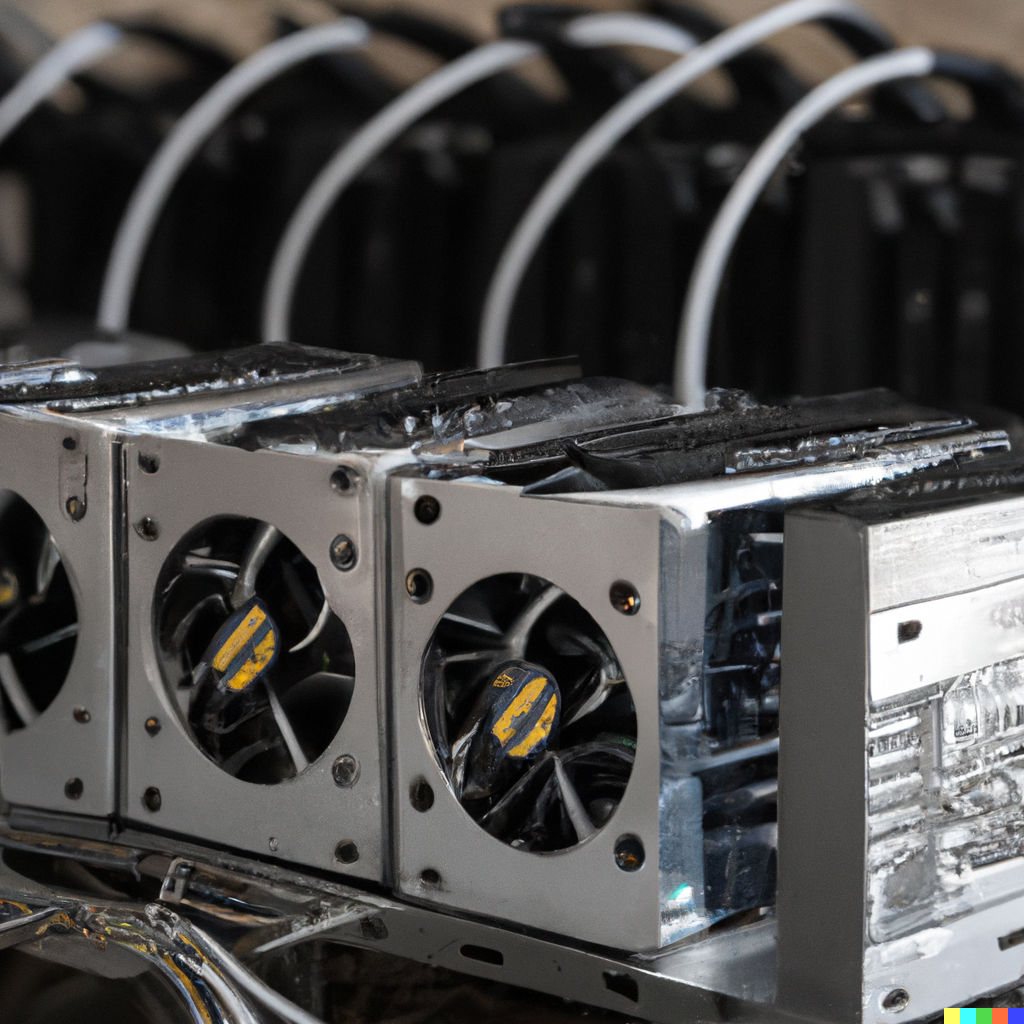
- Cooling Solutions: Advanced cooling systems are being developed to reduce energy consumption and improve equipment longevity.
- Cloud Mining: This model allows users to rent mining power from remote data centers, making mining accessible to more people.
As the industry matures, miners are adapting to regulatory changes and market dynamics. For instance, Bitcoin Magazine reports on the ongoing discussions in the U.S. Senate regarding cryptocurrency regulations, which could impact mining operations.

Conclusion
Bitcoin mining is a complex and rapidly changing field that plays a vital role in the cryptocurrency ecosystem. While it faces challenges, particularly regarding environmental sustainability, ongoing innovations and regulatory developments are shaping its future. By staying informed about these trends, miners and investors can better navigate the evolving landscape.