
Bitcoin mining has become a crucial component of the cryptocurrency ecosystem, enabling transactions and securing the network. As the demand for Bitcoin continues to rise, understanding the intricacies of mining is essential for both enthusiasts and investors.
What is Bitcoin Mining?
Bitcoin mining is the process by which new bitcoins are created and transactions are verified on the blockchain. Miners use powerful computers to solve complex mathematical problems, and in return, they are rewarded with newly minted bitcoins. This process not only generates new coins but also ensures the integrity and security of the Bitcoin network.
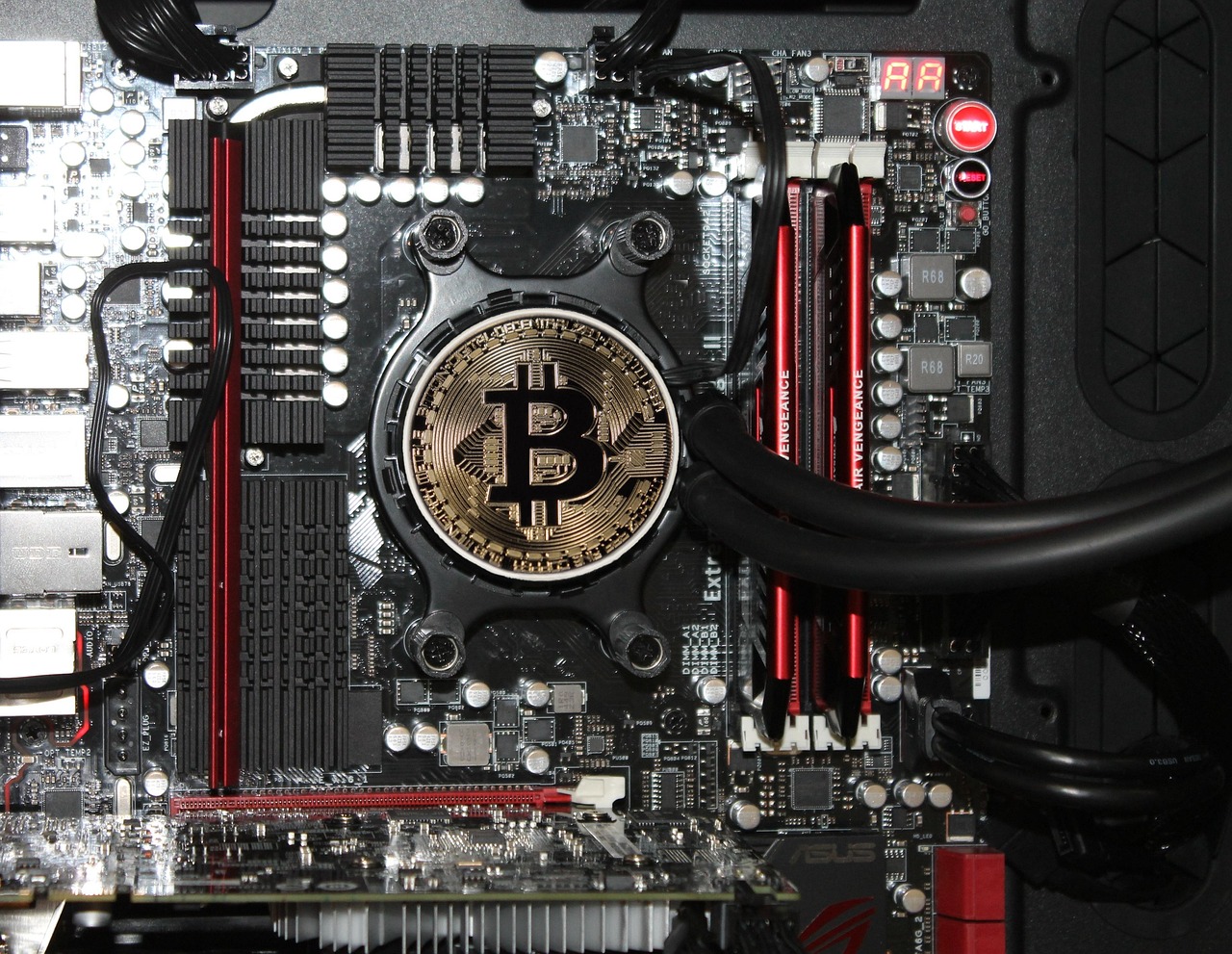
The Evolution of Mining Hardware
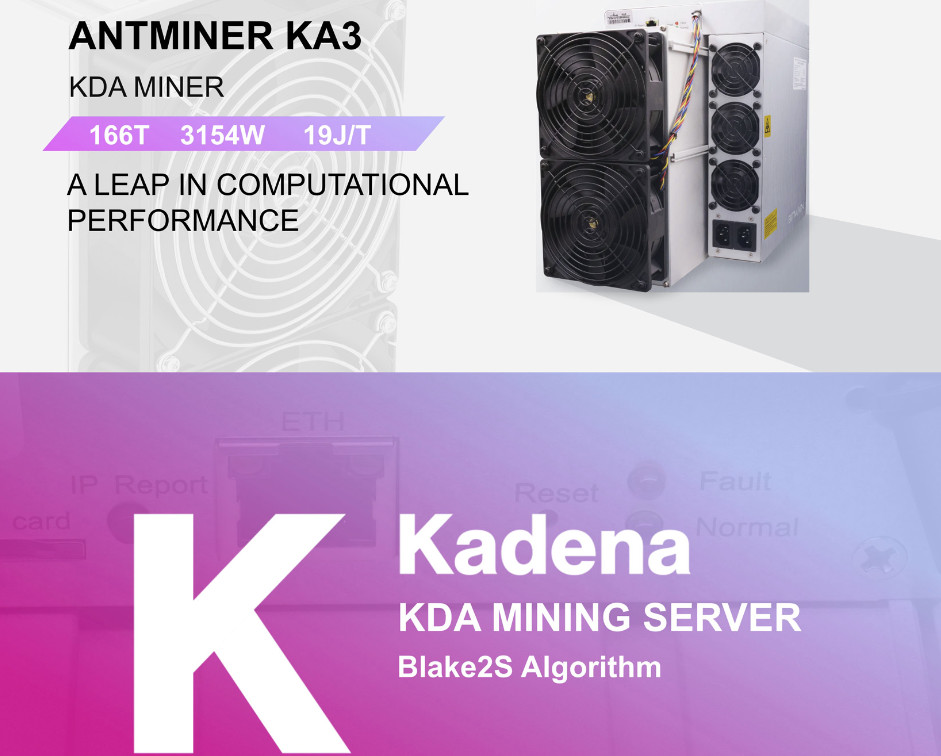
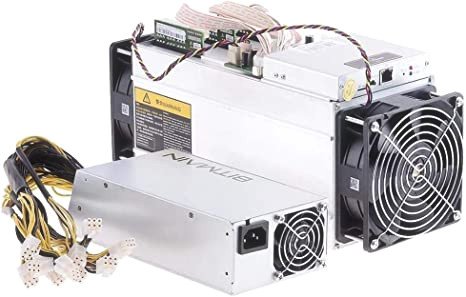
Initially, Bitcoin mining could be done using standard CPUs. However, as more miners joined the network, the difficulty of mining increased, leading to the development of specialized hardware known as ASICs (Application-Specific Integrated Circuits). These devices are specifically designed for mining and offer significantly higher efficiency and performance compared to traditional hardware.
For instance, the recent news about the Antminer X9 cancellation by Bitmain highlights the ongoing evolution in mining technology. While this model was intended for Monero mining, its shelving reflects the competitive nature of the mining hardware market.
Challenges Facing Bitcoin Miners
Despite the lucrative nature of Bitcoin mining, miners face several challenges:
- Energy Consumption: Mining requires substantial energy, leading to environmental concerns and regulatory scrutiny.
- Market Volatility: The price of Bitcoin can fluctuate dramatically, affecting miners’ profitability.
- Hardware Costs: The initial investment in mining equipment can be significant, and keeping up with technological advancements is crucial.
According to a report by CoinDesk, the Senate’s upcoming summer break could impact regulatory decisions that affect the mining industry, adding another layer of uncertainty for miners.
The Future of Bitcoin Mining
Looking ahead, the future of Bitcoin mining is likely to be shaped by several factors:
- Technological Advancements: Innovations in mining hardware and software will continue to enhance efficiency.
- Regulatory Landscape: As governments worldwide establish regulations, miners will need to adapt to new compliance requirements.
- Environmental Considerations: The push for sustainable energy sources will influence mining operations, with many miners exploring renewable energy options.
In conclusion, Bitcoin mining remains a dynamic and evolving field. While it presents numerous challenges, the potential rewards and advancements in technology make it an area worth exploring. For more insights into the current state of cryptocurrency and its implications, check out the latest updates from Bitcoin Magazine and Decrypt.