

Bitcoin mining has evolved significantly since its inception, becoming a complex and competitive industry. As the demand for Bitcoin increases, so does the need for efficient mining techniques and robust hardware. This article delves into the latest trends and technologies in Bitcoin mining, providing insights for both new and seasoned miners.
What is Bitcoin Mining?
Bitcoin mining is the process of validating transactions on the Bitcoin network and adding them to the blockchain. Miners use powerful computers to solve complex mathematical problems, and in return, they are rewarded with newly minted bitcoins. This process not only secures the network but also ensures the integrity of transactions.
Energy Efficiency in Bitcoin Mining
One of the most pressing challenges in Bitcoin mining is energy consumption. As miners compete to solve blocks, the energy required has skyrocketed. Recent innovations focus on improving energy efficiency, which is crucial for sustainability.
Many miners are now turning to renewable energy sources to power their operations. For instance, some facilities are located near hydroelectric plants, allowing them to take advantage of low-cost, clean energy. This shift not only reduces operational costs but also addresses environmental concerns associated with traditional energy sources.
Hardware Innovations
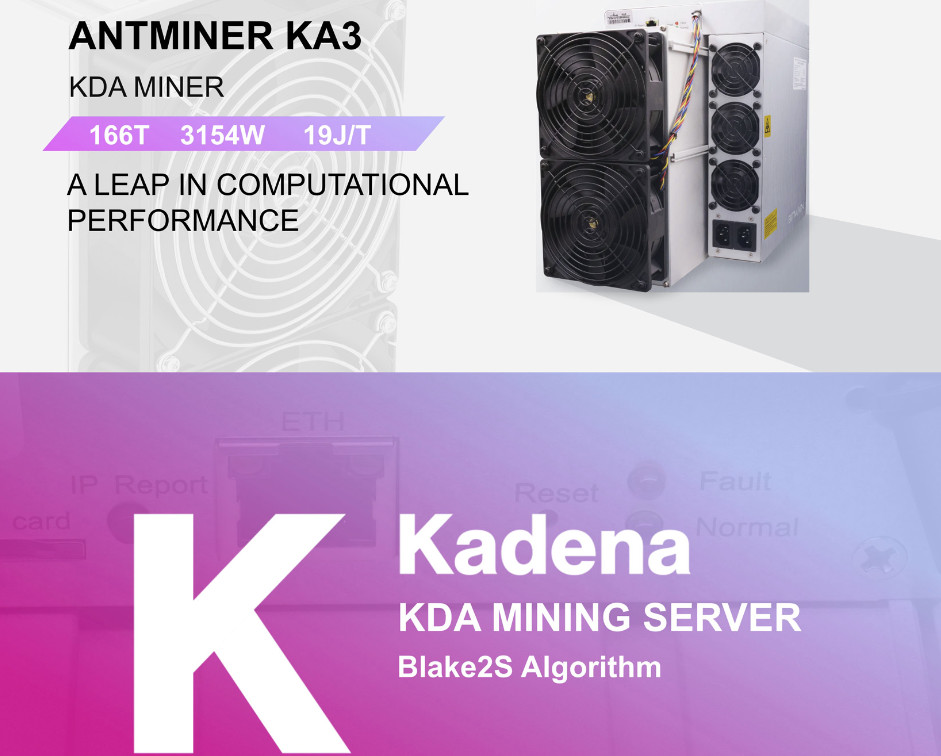
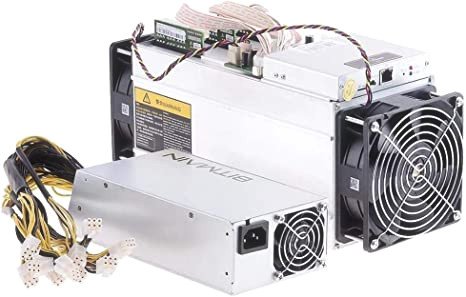
The hardware used in Bitcoin mining has also seen significant advancements. ASIC (Application-Specific Integrated Circuit) miners are now the standard, offering unparalleled processing power compared to traditional GPUs (Graphics Processing Units). The latest models are designed to be more energy-efficient, maximizing output while minimizing power consumption.
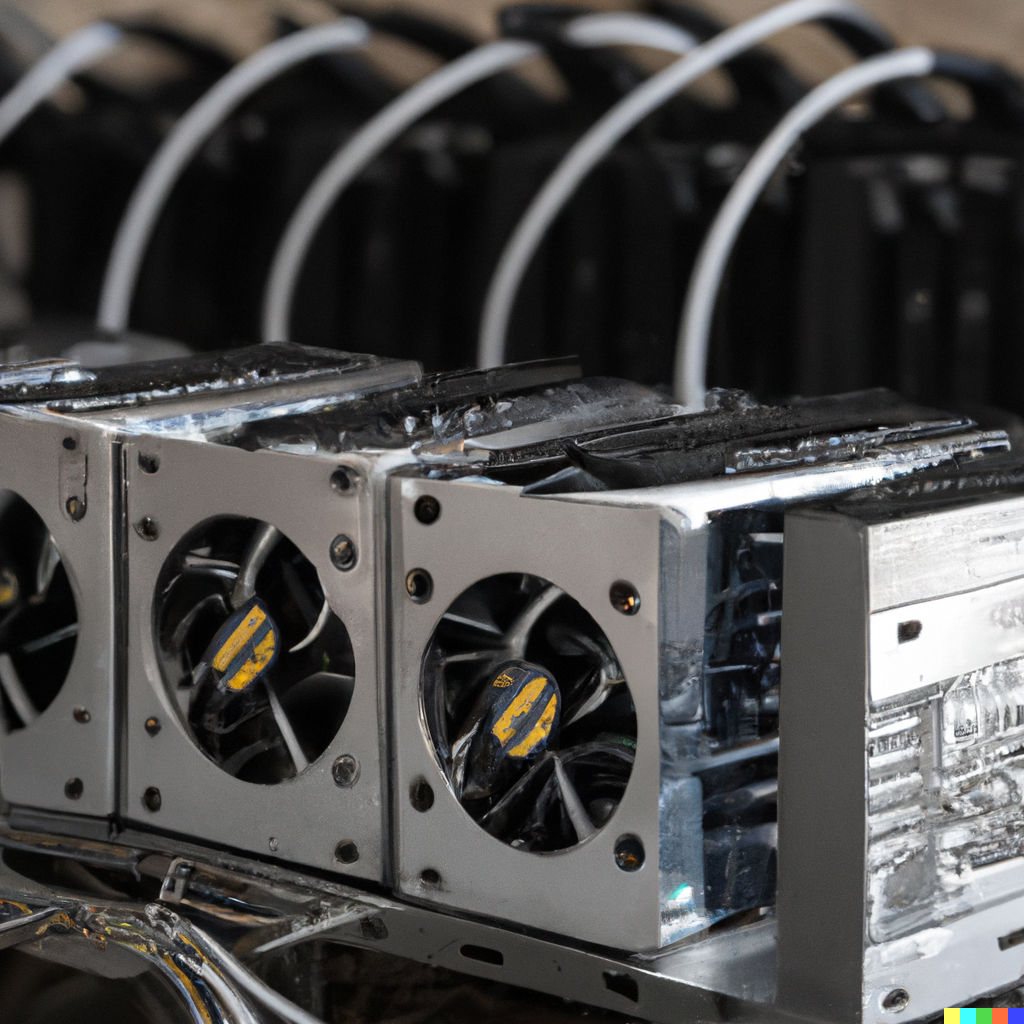
For example, the OneMiners article discusses how they have repurposed ASICs that were previously considered bricked, turning them into profitable mining units. This innovation not only recycles hardware but also enhances the overall efficiency of mining operations.

The Future of Bitcoin Mining
As the Bitcoin network continues to grow, the mining landscape will likely undergo further transformations. Factors such as regulatory changes, technological advancements, and market dynamics will shape the industry’s future.
For instance, the recent departure of Matt Prusak, a prominent figure in the Bitcoin mining sector, to focus on AI power infrastructure highlights a trend towards integrating advanced technologies into mining operations. This shift could lead to more efficient energy usage and improved operational strategies (CoinDesk).
Challenges Ahead
Despite the advancements, Bitcoin mining faces several challenges. The ongoing Coldcard Bitcoin theft, which has resulted in losses exceeding $114 million, underscores the security risks associated with self-custody in the crypto space (Bitcoin Magazine). Miners must remain vigilant and adopt robust security measures to protect their assets.
Moreover, the correlation between Bitcoin and traditional financial markets, such as the recent U.S.-Japan intervention affecting the yen, could impact mining profitability. Miners need to stay informed about market trends to adapt their strategies accordingly (CoinDesk).
Conclusion
Bitcoin mining is at a pivotal point, with innovations in energy efficiency and hardware shaping its future. As miners navigate the challenges and opportunities ahead, staying informed and adaptable will be key to success in this dynamic industry.