
Bitcoin mining is a crucial component of the cryptocurrency ecosystem, serving as the backbone of the Bitcoin network. It involves solving complex mathematical problems to validate transactions and secure the network. As the industry evolves, understanding the latest trends and challenges in Bitcoin mining is essential for both new and seasoned miners.
The Basics of Bitcoin Mining
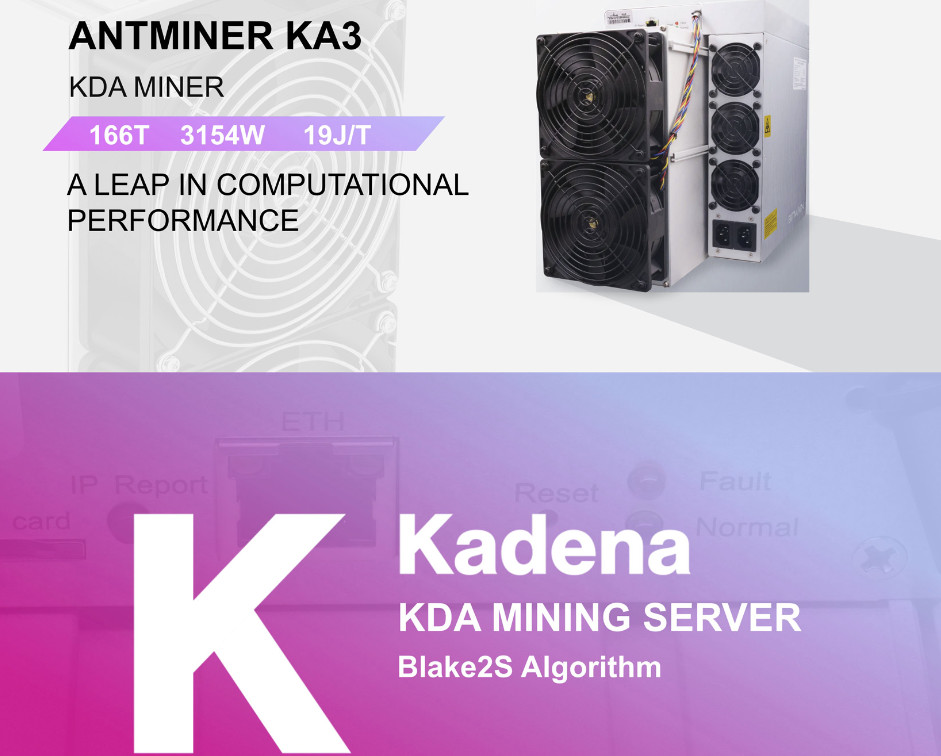
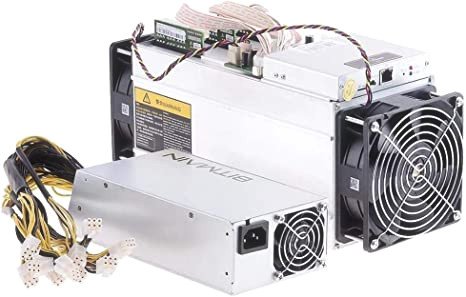
At its core, Bitcoin mining requires specialized hardware known as ASIC (Application-Specific Integrated Circuit) miners. These devices are designed specifically for mining Bitcoin, making them far more efficient than traditional computers. Miners compete to solve cryptographic puzzles, and the first one to solve the puzzle gets to add a new block to the blockchain and is rewarded with newly minted bitcoins.
Challenges Faced by Miners
Despite the potential rewards, Bitcoin mining is not without its challenges. One of the primary issues is the high energy consumption associated with mining operations. According to recent reports, the energy required to mine Bitcoin has raised concerns about its environmental impact. Miners are increasingly seeking renewable energy sources to mitigate these concerns.
Additionally, the Bitcoin network’s difficulty level adjusts approximately every two weeks, making it harder to mine new blocks over time. This adjustment can lead to fluctuations in profitability for miners, especially those using older hardware.

Recent Developments in Bitcoin Mining
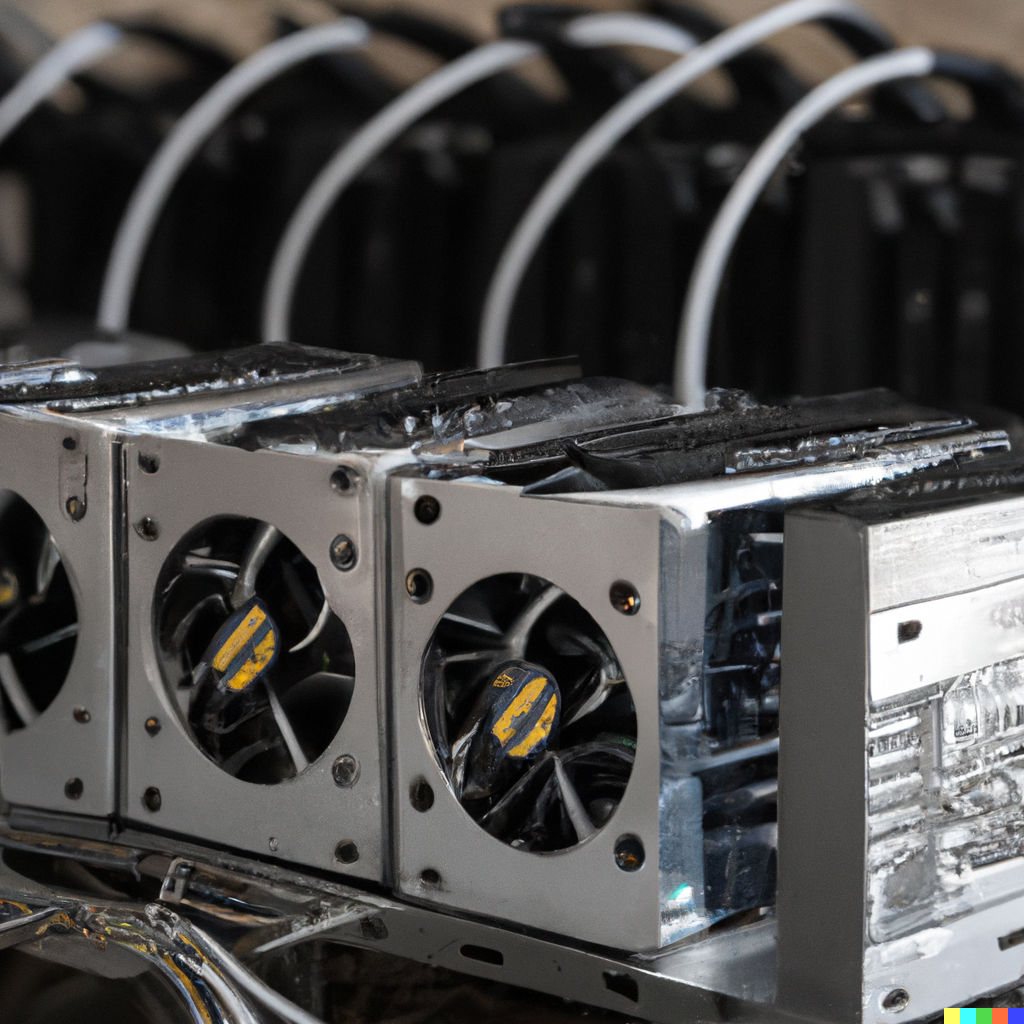
Recent developments in the mining sector have sparked interest among investors and miners alike. For instance, the recent article from OneMiners discusses how they have found ways to repurpose ‘bricked’ ASICs, turning them into profitable Nexa miners. This innovation highlights the adaptability of miners in the face of hardware challenges.
Furthermore, the shift towards AI and data center infrastructure is evident, as noted in a CoinDesk article about Matt Prusak’s departure to Giga Energy. This transition indicates a growing focus on energy efficiency and the integration of advanced technologies in mining operations.
The Future of Bitcoin Mining
Looking ahead, the future of Bitcoin mining will likely be shaped by technological advancements and regulatory changes. As miners adapt to new challenges, the industry may see a rise in the use of sustainable energy sources and more efficient mining hardware. Additionally, as the market evolves, miners will need to stay informed about potential risks, including regulatory scrutiny and market volatility.
For those interested in the broader implications of Bitcoin mining on the economy, a recent Decrypt article discusses the security aspects of cryptocurrency wallets, emphasizing the importance of safeguarding assets in a rapidly changing environment.

Conclusion
Bitcoin mining remains a dynamic and challenging field, with ongoing developments that can significantly impact profitability and sustainability. By staying informed about the latest trends and innovations, miners can better navigate this complex landscape and make informed decisions about their operations.