
Bitcoin mining is a crucial component of the cryptocurrency ecosystem, serving as the process through which new bitcoins are created and transactions are verified on the blockchain. This article delves into the intricacies of Bitcoin mining, its technology, and its impact on the cryptocurrency landscape.
What is Bitcoin Mining?
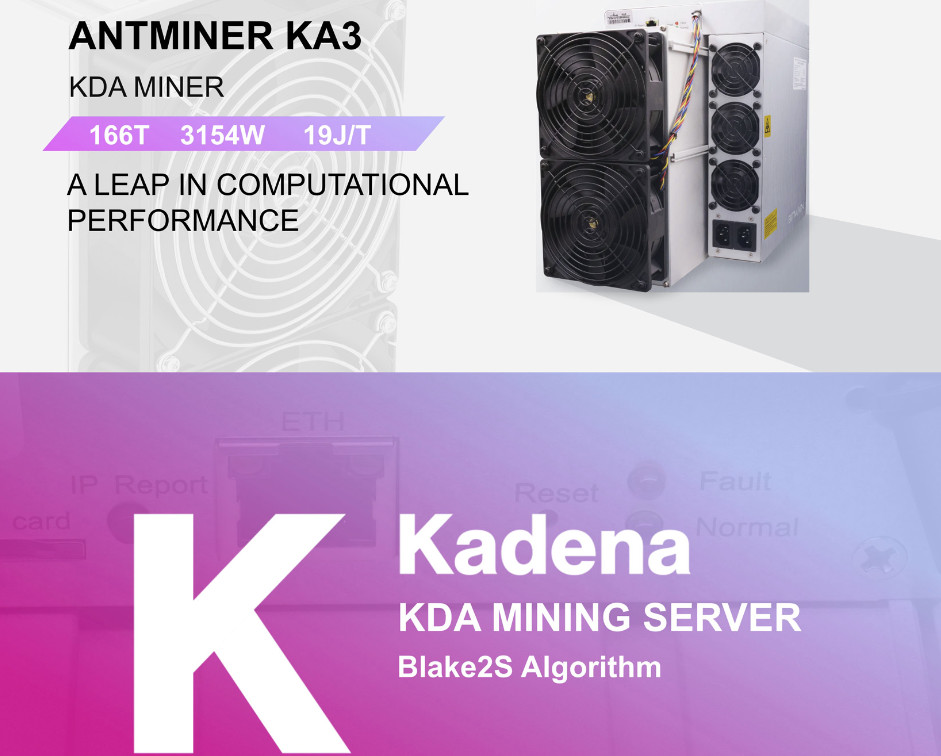
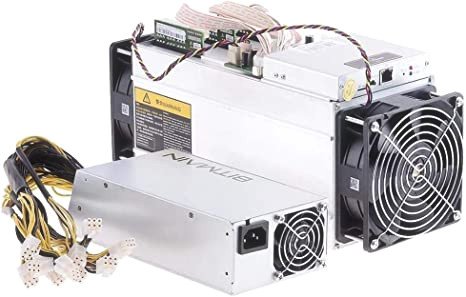
At its core, Bitcoin mining involves solving complex mathematical problems to validate transactions on the Bitcoin network. Miners use powerful computers, known as ASIC (Application-Specific Integrated Circuit) miners, to compete in solving these problems. The first miner to solve the problem gets to add a new block to the blockchain and is rewarded with newly minted bitcoins.
The Role of ASIC Miners
ASIC miners are specialized hardware designed specifically for mining cryptocurrencies. Unlike general-purpose computers, these devices are optimized for the specific algorithms used in Bitcoin mining, making them significantly more efficient. As the difficulty of mining increases, the use of ASIC miners has become essential for miners looking to remain competitive.
Energy Consumption and Environmental Impact
One of the most significant criticisms of Bitcoin mining is its energy consumption. The process requires substantial amounts of electricity, leading to concerns about its environmental impact. Many mining operations are now seeking renewable energy sources to mitigate these concerns. For instance, some miners are utilizing excess energy from hydroelectric plants to power their operations, thereby reducing their carbon footprint.
According to a report by Decrypt, the energy consumption of Bitcoin mining has been a hot topic, with debates surrounding its sustainability and efficiency. Miners are increasingly aware of the need to balance profitability with environmental responsibility.
Technological Advancements in Mining
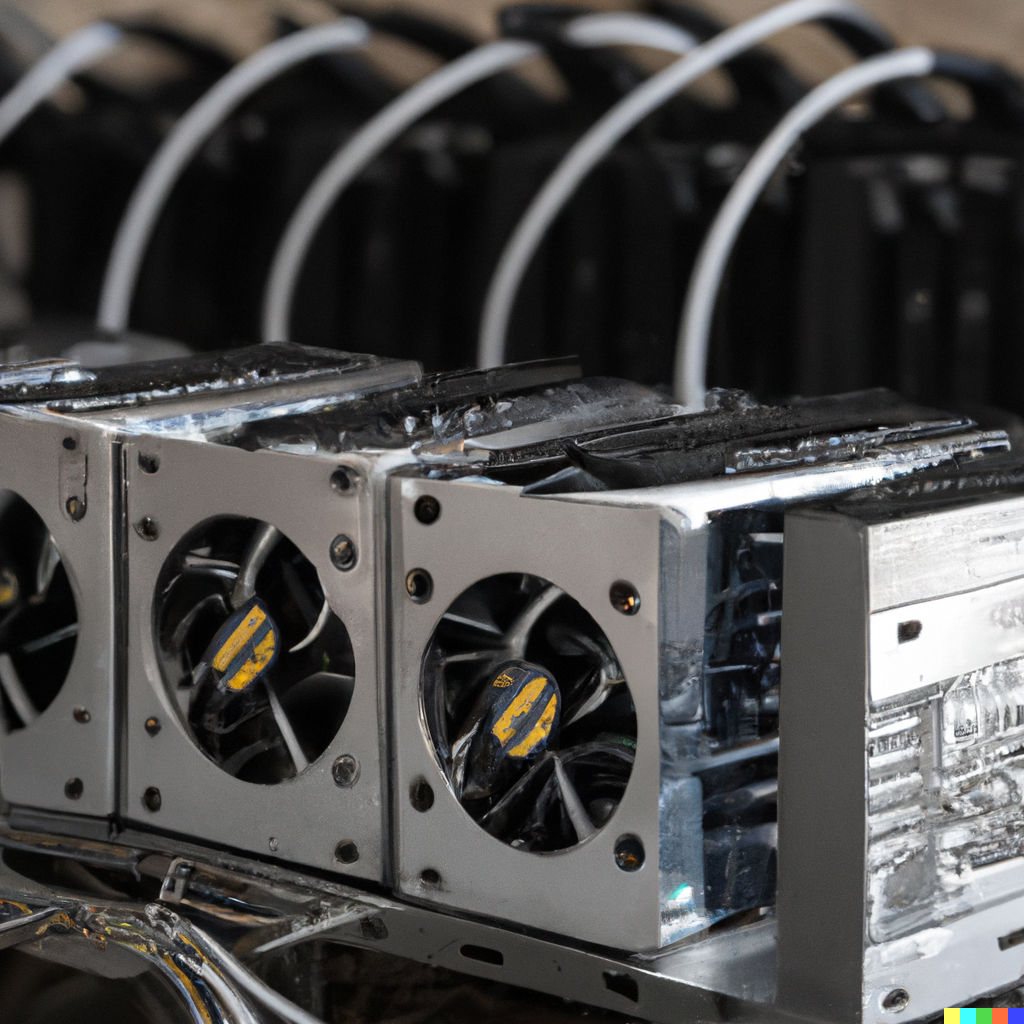
The Bitcoin mining industry is continuously evolving, with advancements in technology playing a significant role. Innovations in cooling systems, energy efficiency, and mining software are helping miners optimize their operations. For example, the introduction of advanced cooling techniques can significantly reduce the operational costs associated with mining hardware.
Market Trends and Future Outlook
The Bitcoin mining landscape is influenced by various market trends, including fluctuations in Bitcoin prices and regulatory developments. As of now, Bitcoin trades near $65,000, which can impact mining profitability. Miners must stay informed about market conditions to make strategic decisions regarding their operations. Recent updates from CoinDesk highlight how macroeconomic factors can influence Bitcoin’s price and, consequently, mining operations.
Moreover, the ongoing discussions about regulatory frameworks, such as the Crypto Clarity Act, can shape the future of Bitcoin mining. As governments seek to establish clearer regulations, miners must adapt to ensure compliance while maintaining profitability.
Conclusion
Bitcoin mining remains a vital aspect of the cryptocurrency ecosystem, with its technology and market dynamics continuously evolving. As miners navigate challenges related to energy consumption, technological advancements, and regulatory changes, staying informed and adaptable will be key to success in this competitive landscape. For more insights on Bitcoin mining, check out the detailed analysis on OneMiners.