
Bitcoin mining has evolved significantly over the years, becoming a complex and competitive industry. As we look towards 2026, understanding the fundamentals of Bitcoin mining is crucial for both new and seasoned miners.
What is Bitcoin Mining?
At its core, Bitcoin mining is the process of validating transactions on the Bitcoin network and adding them to the blockchain. This process involves solving complex mathematical problems, which requires substantial computational power. Miners are rewarded with newly created bitcoins and transaction fees for their efforts.
Choosing the Right Equipment
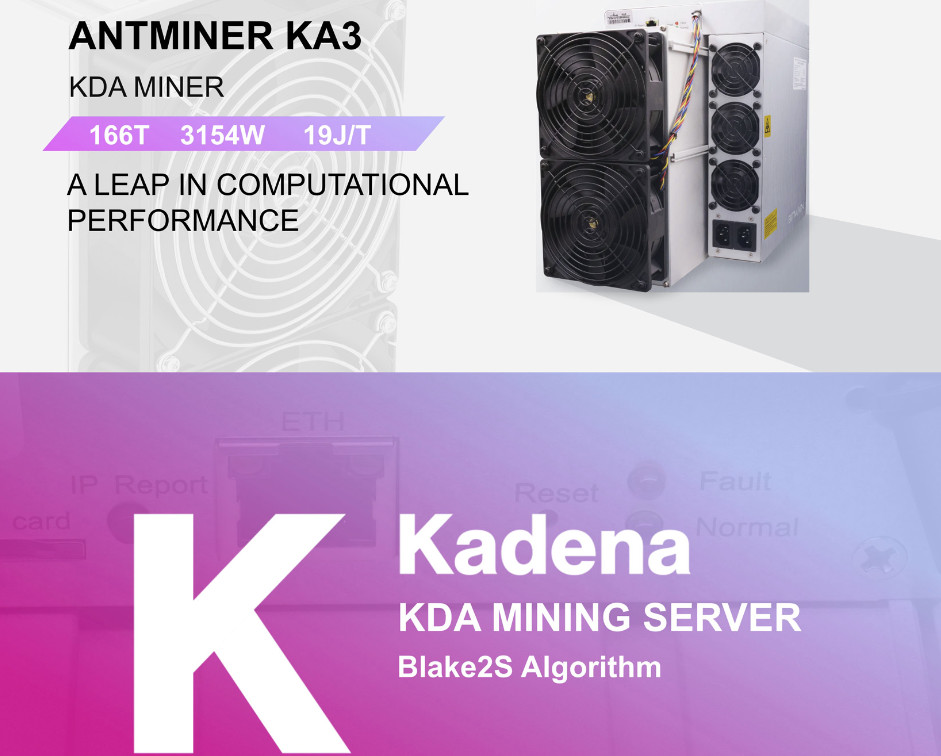
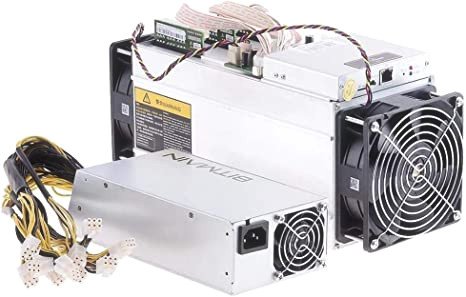
One of the most critical decisions for any miner is selecting the appropriate hardware. In 2026, the efficiency of mining equipment is paramount. The OneMiners article emphasizes the importance of understanding the joules per terahash (J/TH) metric. This figure indicates how much energy a miner consumes to produce a unit of Bitcoin hashrate. Choosing equipment with a lower J/TH can lead to higher profitability.
Power Consumption and Costs
Power consumption is a significant factor in mining profitability. As energy prices fluctuate, miners must calculate their operational costs carefully. According to recent trends, as energy prices rise, the profitability of mining can be adversely affected. Miners should consider locations with lower electricity costs to maximize their returns.

Market Trends and Challenges
The Bitcoin market is influenced by various external factors, including regulatory changes and market sentiment. For instance, recent reports indicate that Bitcoin has faced headwinds due to rising oil prices and bond yields, which can impact investor confidence (CoinDesk). Additionally, the regulatory landscape continues to evolve, presenting both challenges and opportunities for miners.
Profitability Analysis
Understanding the profitability of Bitcoin mining involves analyzing several factors, including equipment efficiency, electricity costs, and Bitcoin’s market price. As noted by Bitcoin Magazine, historical trends suggest that Bitcoin’s price cycles can offer insights into future profitability. Miners should stay informed about market conditions to make strategic decisions.

Conclusion
Bitcoin mining remains a dynamic and challenging field. By focusing on efficient equipment, understanding power costs, and staying updated on market trends, miners can navigate the complexities of this industry. As we move further into 2026, those who adapt to changing conditions will likely find success in the world of Bitcoin mining.