

Bitcoin mining has evolved into a complex and competitive industry, attracting both individual miners and large-scale operations. Understanding the fundamentals of Bitcoin mining is essential for anyone looking to enter this space.
What is Bitcoin Mining?
Bitcoin mining is the process by which new bitcoins are created and transactions are verified on the Bitcoin network. Miners use powerful computers to solve complex mathematical problems, which helps secure the network and process transactions.
How Does Bitcoin Mining Work?
Miners compete to solve a cryptographic puzzle, and the first one to solve it gets to add a new block to the blockchain. This process is known as proof of work. In return for their efforts, miners are rewarded with newly minted bitcoins and transaction fees.

Profitability of Bitcoin Mining
The profitability of Bitcoin mining depends on several factors:
- Electricity Costs: Mining consumes a significant amount of energy. Lower electricity costs can greatly enhance profitability.
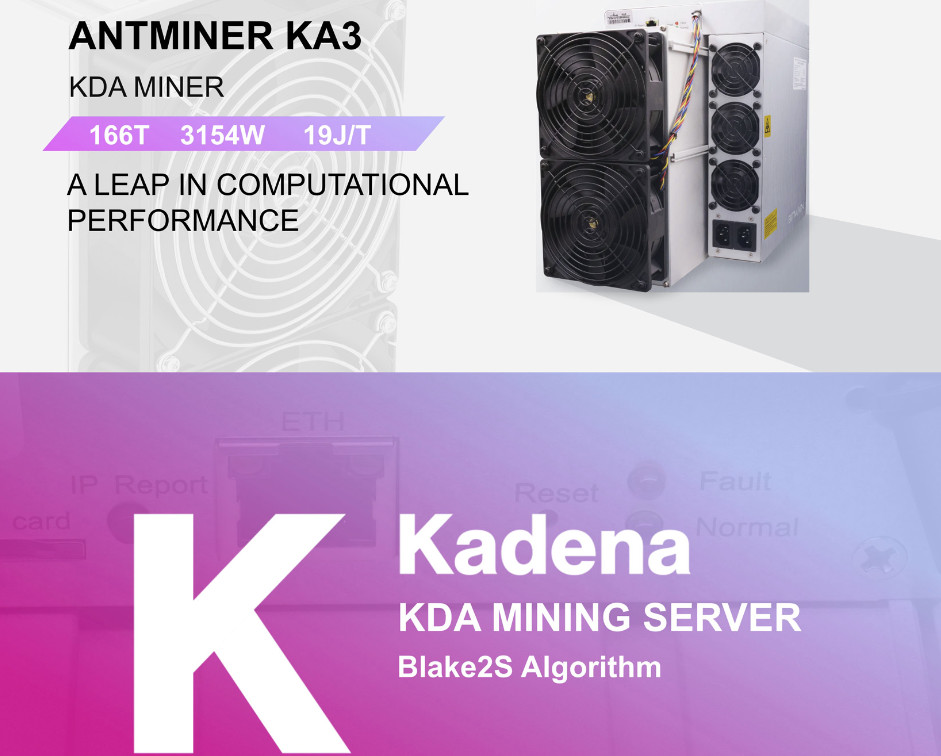
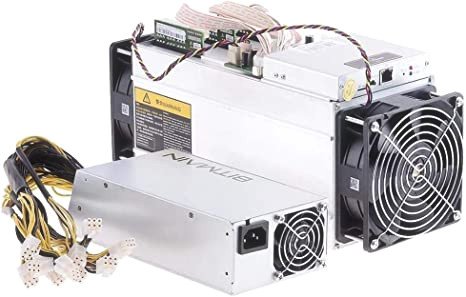
- Mining Hardware: The efficiency of mining hardware plays a crucial role. More efficient machines can solve puzzles faster and consume less power.
- Bitcoin Price: The market price of Bitcoin directly impacts mining profitability. Higher prices can lead to increased earnings.
According to a recent article on OneMiners, the efficiency of mining hardware is critical, especially in a market where margins are thin.
Choosing the Right Mining Hardware
When selecting mining hardware, consider the following:
- Hash Rate: This measures the number of calculations a miner can perform per second.
- Power Consumption: Look for devices that offer a good balance between hash rate and power usage.
- Cost: Evaluate the initial investment against potential returns.
For instance, the Antminer series is often recommended for its balance of performance and cost-effectiveness. As noted in Bitcoin Magazine, advancements in mining technology continue to shape the landscape.
Regulatory Environment and Future Trends
The regulatory landscape for Bitcoin mining is continually evolving. Recent developments, such as Standard Chartered’s entry into the Bitcoin trading space in Dubai, indicate a growing acceptance of cryptocurrencies in mainstream finance. This shift could lead to more favorable conditions for miners.
As highlighted by CoinDesk, institutional interest in Bitcoin is rising, which may influence mining operations and profitability.
Conclusion
Bitcoin mining remains a dynamic and challenging field. By understanding the key factors that influence profitability and keeping abreast of technological advancements and regulatory changes, miners can position themselves for success in this competitive environment.