
Bitcoin mining is a crucial process that underpins the entire Bitcoin network. It involves solving complex mathematical problems to validate transactions and add them to the blockchain. As the cryptocurrency market evolves, understanding the dynamics of Bitcoin mining becomes increasingly important for investors and enthusiasts alike.
The Basics of Bitcoin Mining
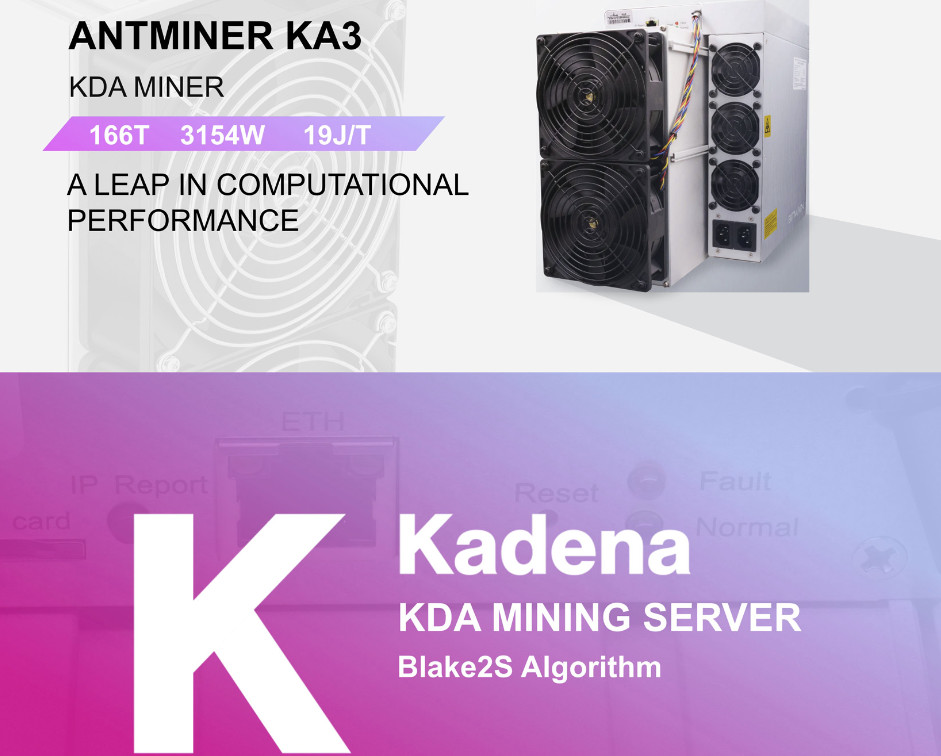
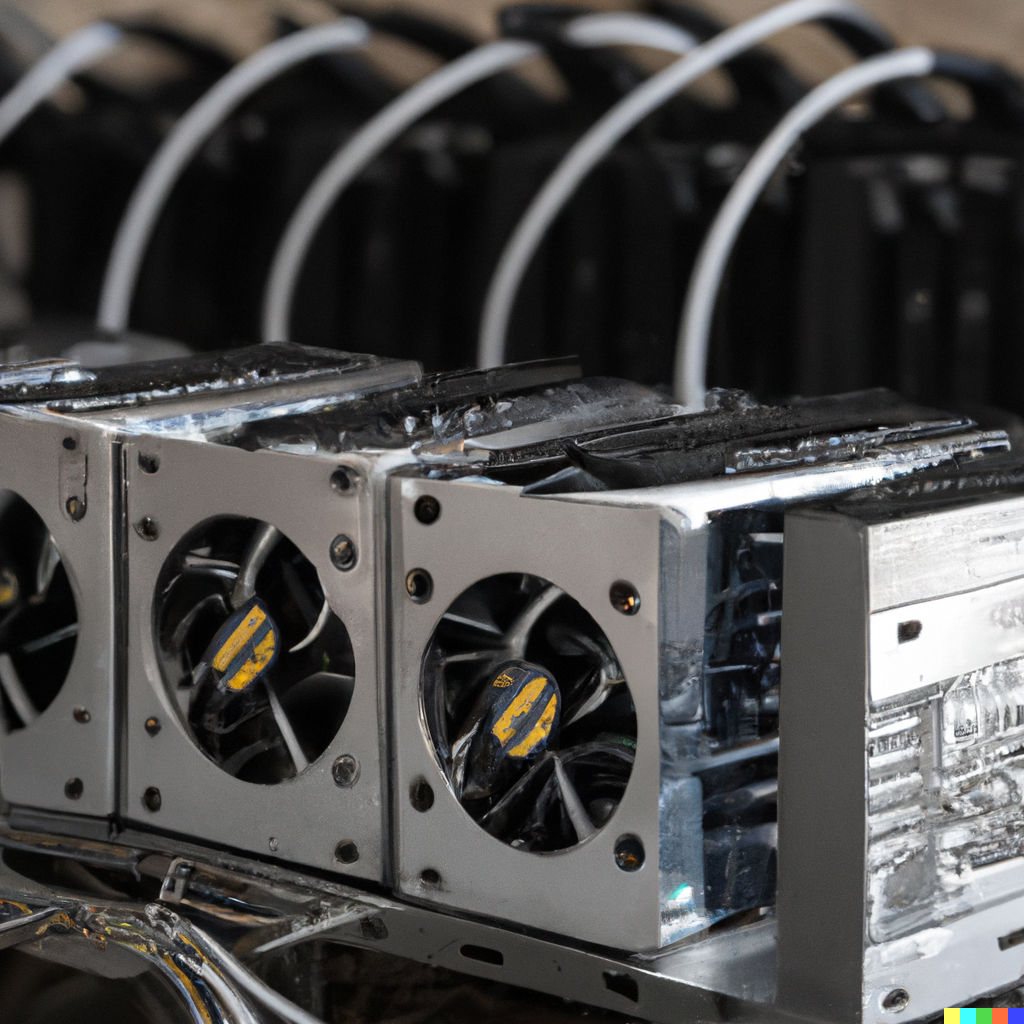
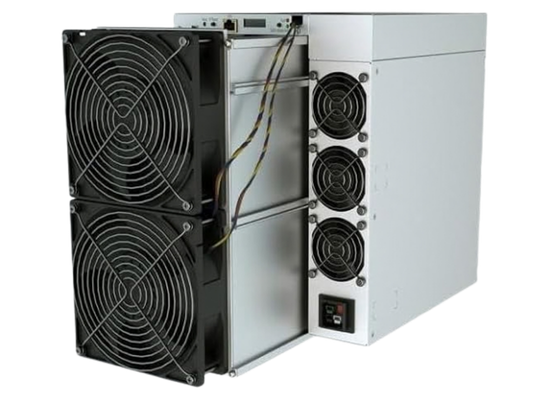
At its core, Bitcoin mining is the process of verifying transactions on the Bitcoin network. Miners use powerful computers, known as ASICs (Application-Specific Integrated Circuits), to compete in solving cryptographic puzzles. The first miner to solve the puzzle gets to add a new block to the blockchain and is rewarded with newly minted bitcoins.
Profitability Factors
The profitability of Bitcoin mining is influenced by several factors:
- Electricity Costs: Mining requires significant energy, and the cost of electricity can make or break a mining operation.
- Mining Difficulty: As more miners join the network, the difficulty of solving puzzles increases, affecting potential earnings.
- Market Price: The price of Bitcoin directly impacts the profitability of mining. Higher prices can lead to greater returns.
According to a recent analysis, the average revenue per terahash per day is approximately $0.1736, making efficiency and electricity prices critical for miners’ returns (OneMiners).
Current Trends in Bitcoin Mining
The Bitcoin mining landscape is constantly changing. Here are some notable trends:
- Green Mining: With increasing awareness of environmental issues, many miners are seeking renewable energy sources to power their operations.
- Mining Pools: Many miners join pools to combine their resources and increase their chances of earning rewards.
- Regulatory Changes: Governments around the world are beginning to implement regulations that could impact mining operations.
For instance, a recent report highlighted how buying and holding Bitcoin is often more profitable than trying to time the market, emphasizing the importance of long-term strategies in the mining sector (CoinDesk).
Challenges Facing Miners
Despite the potential for profit, Bitcoin miners face numerous challenges:
- Regulatory Scrutiny: As mentioned, regulations can affect operational viability.
- Market Volatility: The price of Bitcoin can fluctuate wildly, impacting profitability.
- Hardware Costs: The initial investment in mining equipment can be substantial.
Moreover, a recent incident involving Trezor highlighted the risks associated with data breaches in the crypto space, which can affect miners and investors alike (Bitcoin Magazine).
Conclusion
Bitcoin mining remains a complex yet fascinating aspect of the cryptocurrency ecosystem. As the market continues to evolve, staying informed about profitability factors, trends, and challenges is essential for anyone involved in or considering entering the mining space. By understanding these dynamics, miners can better navigate the landscape and make informed decisions.