

Bitcoin mining is a crucial process that underpins the entire cryptocurrency ecosystem. It involves validating transactions and adding them to the blockchain, ensuring the security and integrity of the network. In this article, we will explore the fundamentals of Bitcoin mining, its profitability, and the future trends shaping this dynamic industry.
What is Bitcoin Mining?
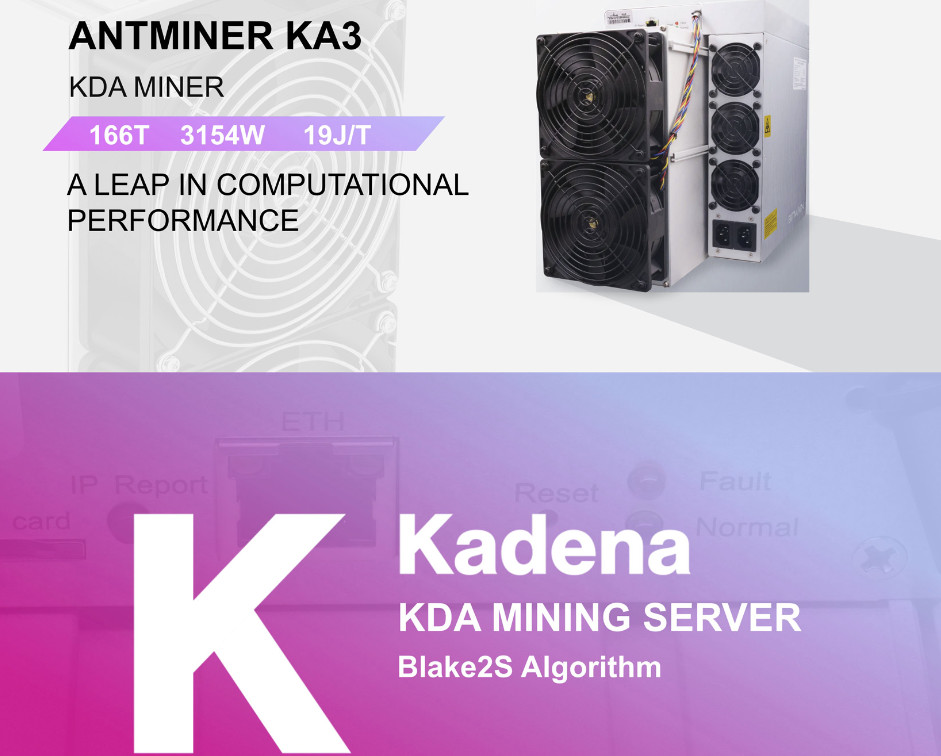
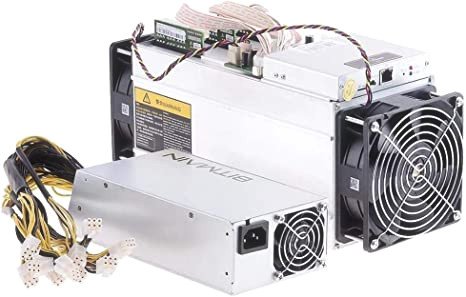
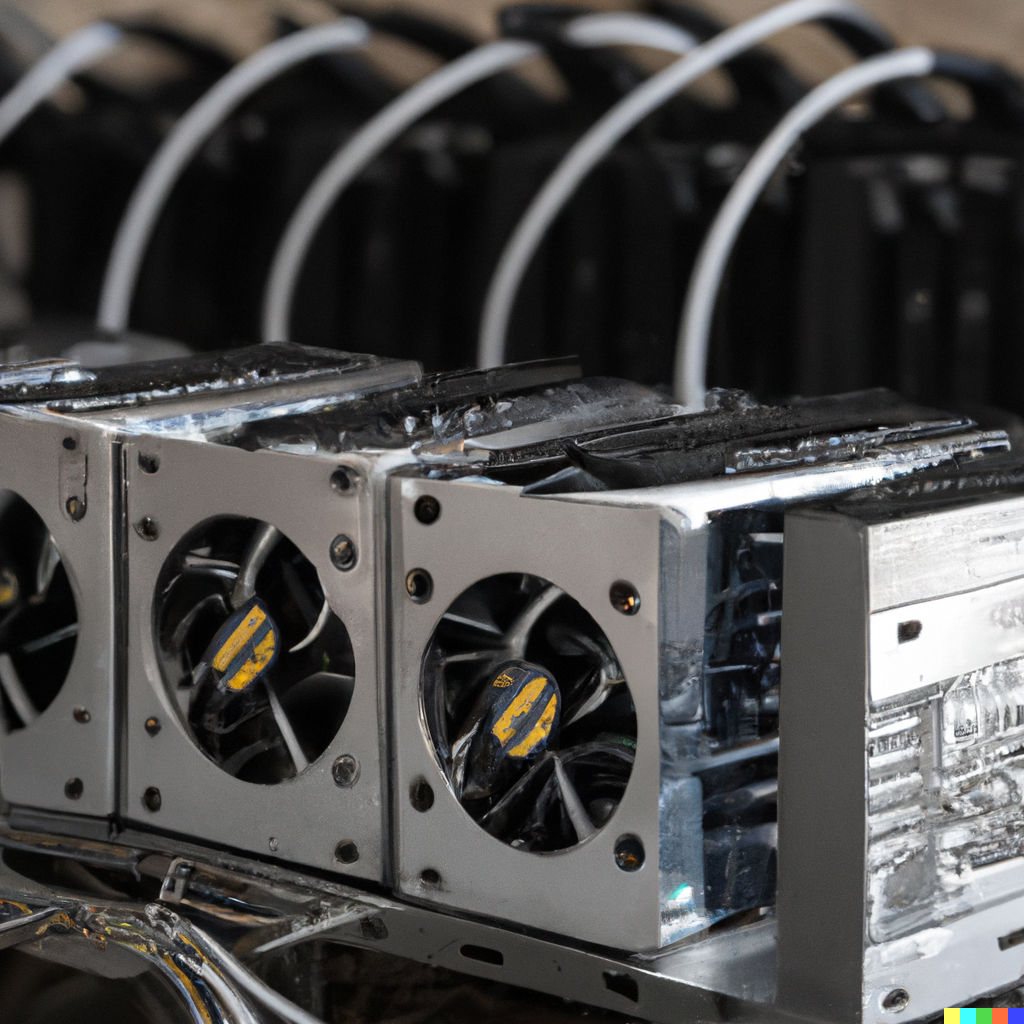
At its core, Bitcoin mining is the process of solving complex mathematical problems to validate transactions on the Bitcoin network. Miners use powerful computers, known as ASICs (Application-Specific Integrated Circuits), to perform these calculations. When a miner successfully solves a problem, they add a new block to the blockchain and are rewarded with newly minted bitcoins.
The Role of ASICs in Mining
ASICs are specialized hardware designed specifically for mining cryptocurrencies. They are far more efficient than traditional CPUs or GPUs, allowing miners to maximize their profitability. According to a recent article from OneMiners, the energy margins for certain altcoins like Zcash are significantly higher than Bitcoin, making them attractive options for miners looking to diversify their operations.
Profitability of Bitcoin Mining
The profitability of Bitcoin mining depends on several factors, including the price of Bitcoin, the cost of electricity, and the efficiency of mining hardware. As the Bitcoin network becomes more competitive, miners must continually assess their operations to ensure they remain profitable.
For instance, the recent decision by Hargreaves Lansdown to allow Bitcoin trading indicates a growing acceptance of cryptocurrencies, which could influence Bitcoin’s price and, subsequently, mining profitability.
Electricity Costs and Mining Locations
Electricity costs are one of the most significant expenses for miners. Many miners strategically choose locations with lower electricity rates to maximize their margins. Regions with abundant renewable energy sources, such as hydroelectric power, are becoming increasingly popular for mining operations.
Future Trends in Bitcoin Mining
As the cryptocurrency landscape evolves, several trends are emerging in Bitcoin mining:
- Increased Regulation: Governments are beginning to implement regulations around cryptocurrency mining, which could impact operations and profitability.
- Environmental Concerns: The carbon footprint of Bitcoin mining is under scrutiny, leading to a push for greener mining solutions.
- Technological Advancements: Innovations in mining hardware and software are continually improving efficiency and reducing costs.
For a deeper dive into the profitability of altcoin mining, check out the analysis on OneMiners, which discusses the potential returns on investments in various ASIC miners.
Additional reading: Hunter Biden debuts 'LAPTOP' memecoin targeting TRUMP holders from CoinDesk.

Conclusion
Bitcoin mining remains a vital component of the cryptocurrency ecosystem, with its profitability influenced by various factors including hardware efficiency and electricity costs. As the industry continues to evolve, staying informed about trends and technological advancements will be crucial for miners looking to succeed in this competitive landscape.