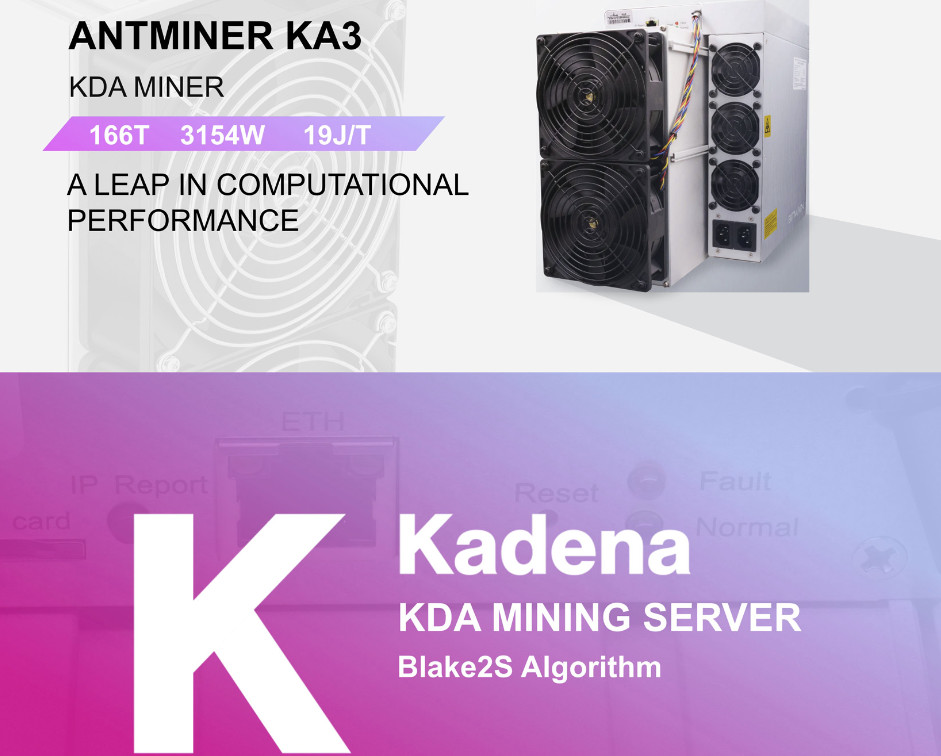

Bitcoin mining has evolved significantly since its inception, becoming a complex and competitive industry. As the network grows, miners face new challenges and opportunities that shape the future of cryptocurrency.
Recent Trends in Bitcoin Mining
One of the most notable trends is the recent hashrate contraction. According to a report from OneMiners, public miners have cut their capacity by 15%, leading to a 10% decrease in the overall network hashrate. This contraction has significant implications for miners still operating, affecting difficulty levels and hash prices.
Additionally, the rise of artificial intelligence (AI) has started to overshadow traditional mining revenue. For the first time, AI revenue has surpassed mining revenue, indicating a shift in the technological landscape that miners must adapt to.
The Impact of Hashrate Changes
The reduction in hashrate can lead to increased mining difficulty, which directly affects profitability. As fewer miners compete for rewards, those remaining may find it more challenging to earn Bitcoin. This situation necessitates a reevaluation of strategies for miners, particularly in terms of energy consumption and operational efficiency.

Technological Advancements in Mining
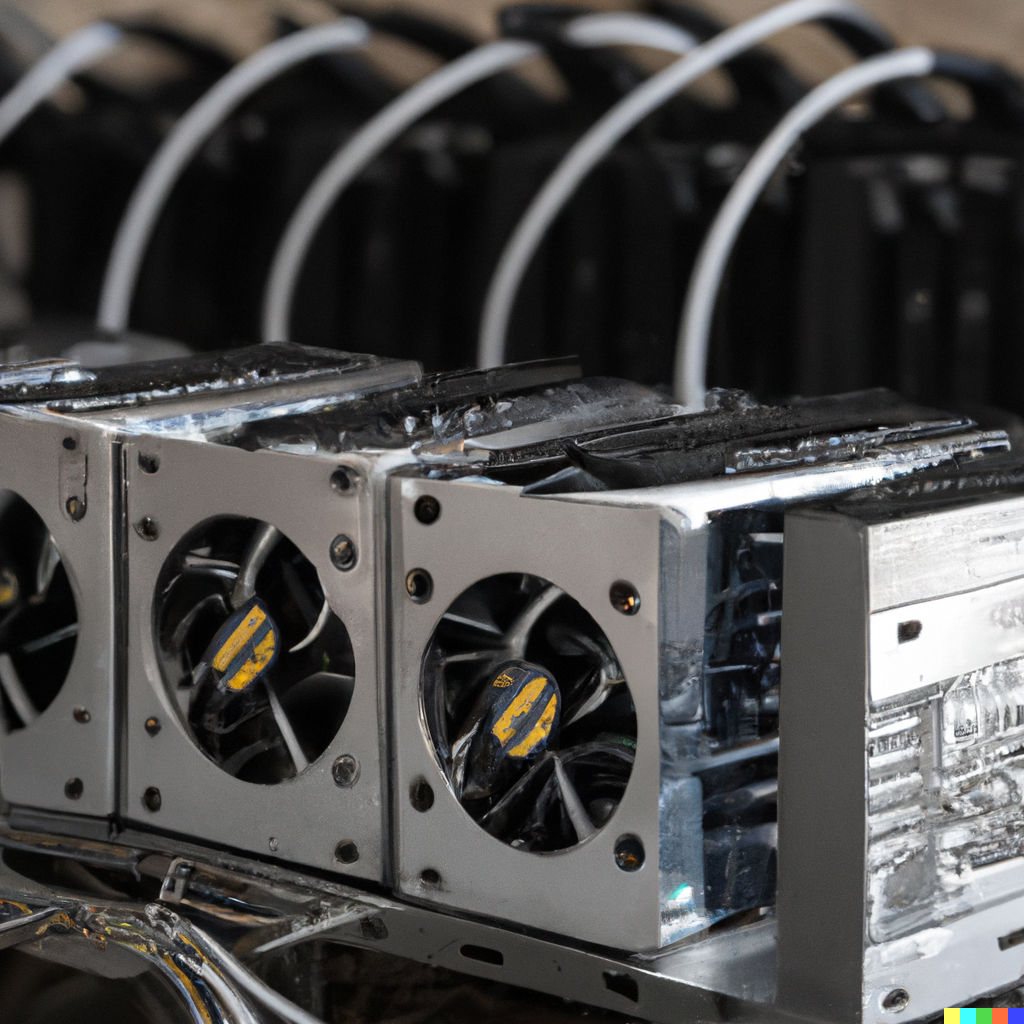
Technological advancements continue to play a crucial role in the Bitcoin mining sector. Innovations in cooling systems, power management, and hardware efficiency are essential for miners to remain competitive. As energy costs rise, optimizing these factors can significantly impact a miner’s bottom line.
For instance, the integration of renewable energy sources into mining operations is becoming increasingly popular. Miners are exploring ways to utilize solar and wind energy to reduce costs and improve sustainability. This shift not only benefits the environment but also enhances the long-term viability of mining operations.
Challenges Facing Miners
Despite the opportunities presented by technological advancements, miners face several challenges. Regulatory scrutiny is increasing globally, with governments looking to impose stricter regulations on cryptocurrency operations. This scrutiny can lead to uncertainty and additional costs for miners.
Moreover, the volatility of Bitcoin prices poses a constant risk. Miners must navigate these fluctuations while managing operational costs and investments in new technology. The balance between profitability and sustainability remains a critical concern.
Additional reading: Stablecoins could save South Korean merchants up to $3.8 billion a year, budget office says from CoinDesk.
Additional reading: Liquid Gets 3,400 BTC Back After On-Chain Talks; White Hats Keep 598.5 BTC from Bitcoin Magazine.
Conclusion
In conclusion, Bitcoin mining is at a crossroads, influenced by technological advancements, regulatory changes, and market dynamics. As miners adapt to these trends, staying informed and agile will be key to thriving in this evolving landscape. For more insights on Bitcoin mining and its future, check out the detailed analysis on OneMiners.