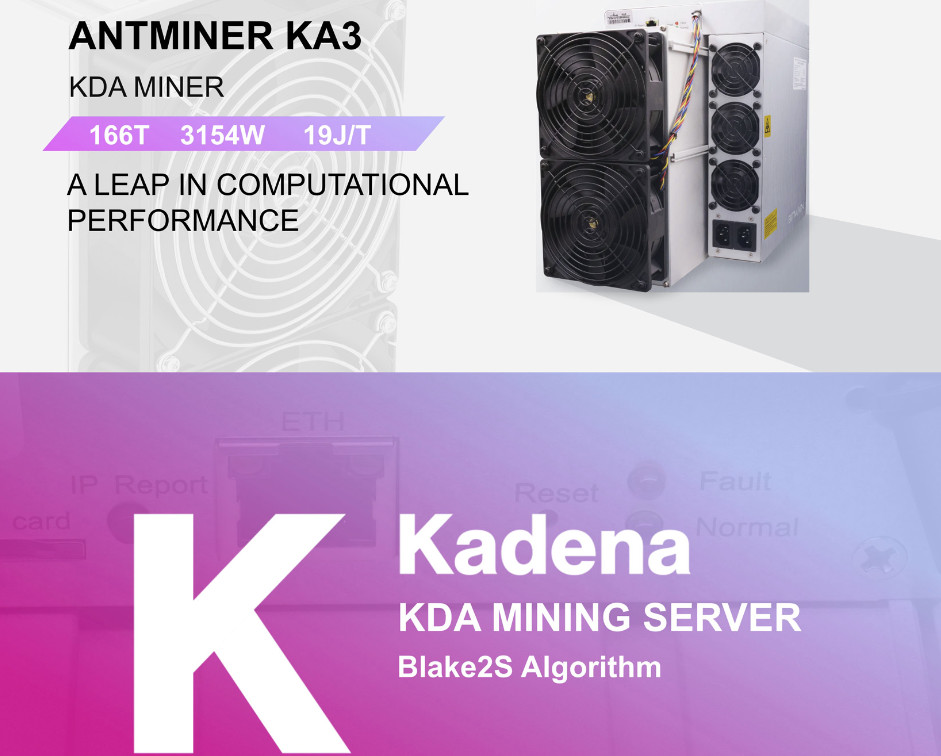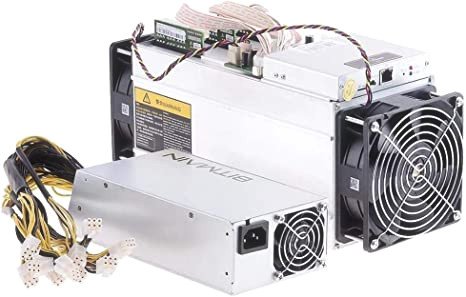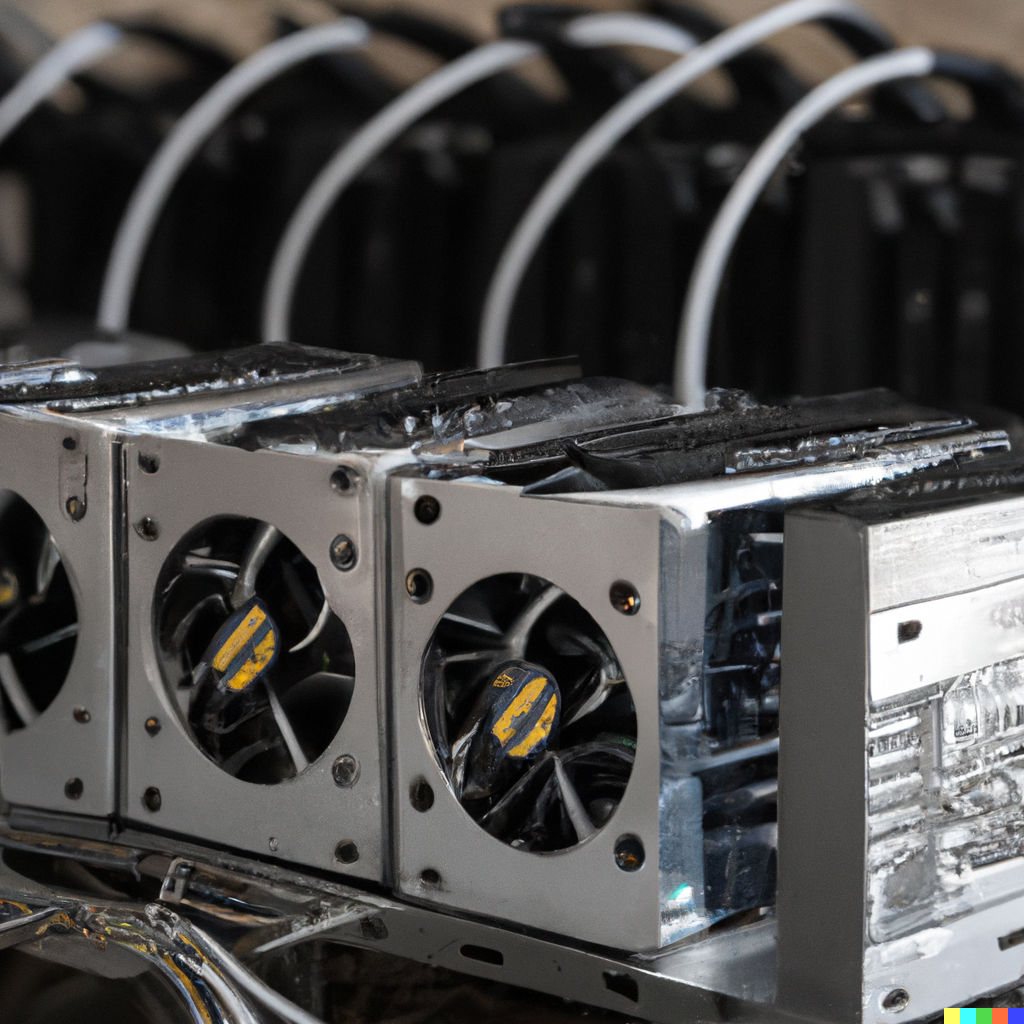


Bitcoin mining has evolved significantly since its inception, becoming a complex and competitive industry. As the demand for Bitcoin increases, so do the challenges faced by miners. This article delves into the current state of Bitcoin mining, focusing on centralization issues and the innovations that may shape its future.
What is Bitcoin Mining?
At its core, Bitcoin mining is the process by which new bitcoins are created and transactions are verified on the Bitcoin network. Miners use powerful computers to solve complex mathematical problems, which helps secure the network and validate transactions. In return for their efforts, miners are rewarded with newly minted bitcoins.
Centralization in Bitcoin Mining
One of the most pressing issues in the Bitcoin mining landscape is centralization. According to a recent article from OneMiners, four mining pools, including Foundry and AntPool, account for over 70% of Bitcoin’s blocks. This concentration raises concerns about the security and decentralization of the Bitcoin network.
Centralization can lead to vulnerabilities, as a small number of entities could potentially control the network. The article highlights that while Stratum V2 was backed by seven pools in May 2026, almost none have implemented it yet, which could further exacerbate the issue of centralization.
Challenges Faced by Miners
- Energy Consumption: Bitcoin mining is notorious for its high energy consumption. Miners require substantial power to operate their rigs, leading to increased operational costs.
- Regulatory Scrutiny: As Bitcoin gains popularity, regulatory bodies are paying closer attention to mining operations. This can lead to stricter regulations that may impact profitability.
- Market Volatility: The price of Bitcoin is highly volatile, affecting miners’ revenues. Fluctuations in price can make mining less profitable, especially for smaller operations.
Innovations in Bitcoin Mining
Despite the challenges, innovation continues to drive the Bitcoin mining industry forward. New technologies and methods are being developed to improve efficiency and reduce costs. For instance, advancements in cooling systems and energy-efficient hardware are helping miners optimize their operations.
Furthermore, as highlighted by CoinDesk, the recent interest rate hikes by the Bank of Japan have influenced Bitcoin’s market dynamics, demonstrating how external economic factors can impact mining profitability.
Future of Bitcoin Mining
The future of Bitcoin mining is likely to be shaped by both technological advancements and regulatory developments. As the industry matures, miners will need to adapt to changing market conditions and regulatory landscapes. The ongoing discussions about the environmental impact of mining are also prompting miners to explore more sustainable practices.
In conclusion, Bitcoin mining remains a vital component of the cryptocurrency ecosystem. While it faces significant challenges, ongoing innovations and adaptations will likely pave the way for a more resilient and efficient mining industry.
Additional reading: Dan Hillery: Digital Credit Could Rival BTC’s $1.5 Trillion Market Cap from Bitcoin Magazine.