

Bitcoin mining has evolved significantly since its inception, becoming a critical component of the cryptocurrency ecosystem. As the network grows, the dynamics of mining pools and their centralization have raised concerns among stakeholders.
What is Bitcoin Mining?
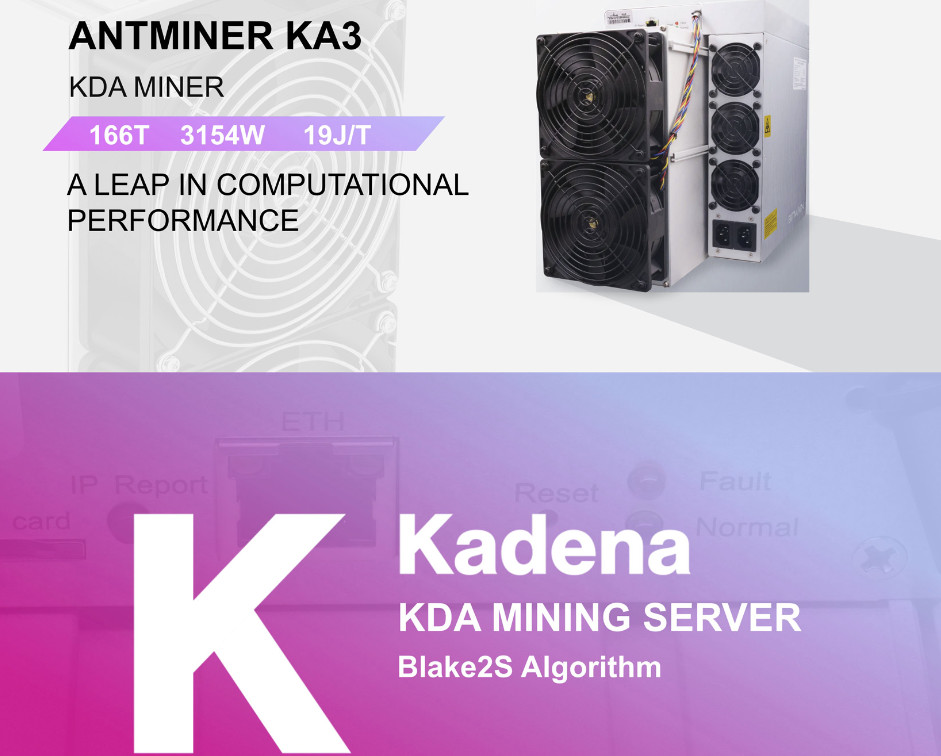
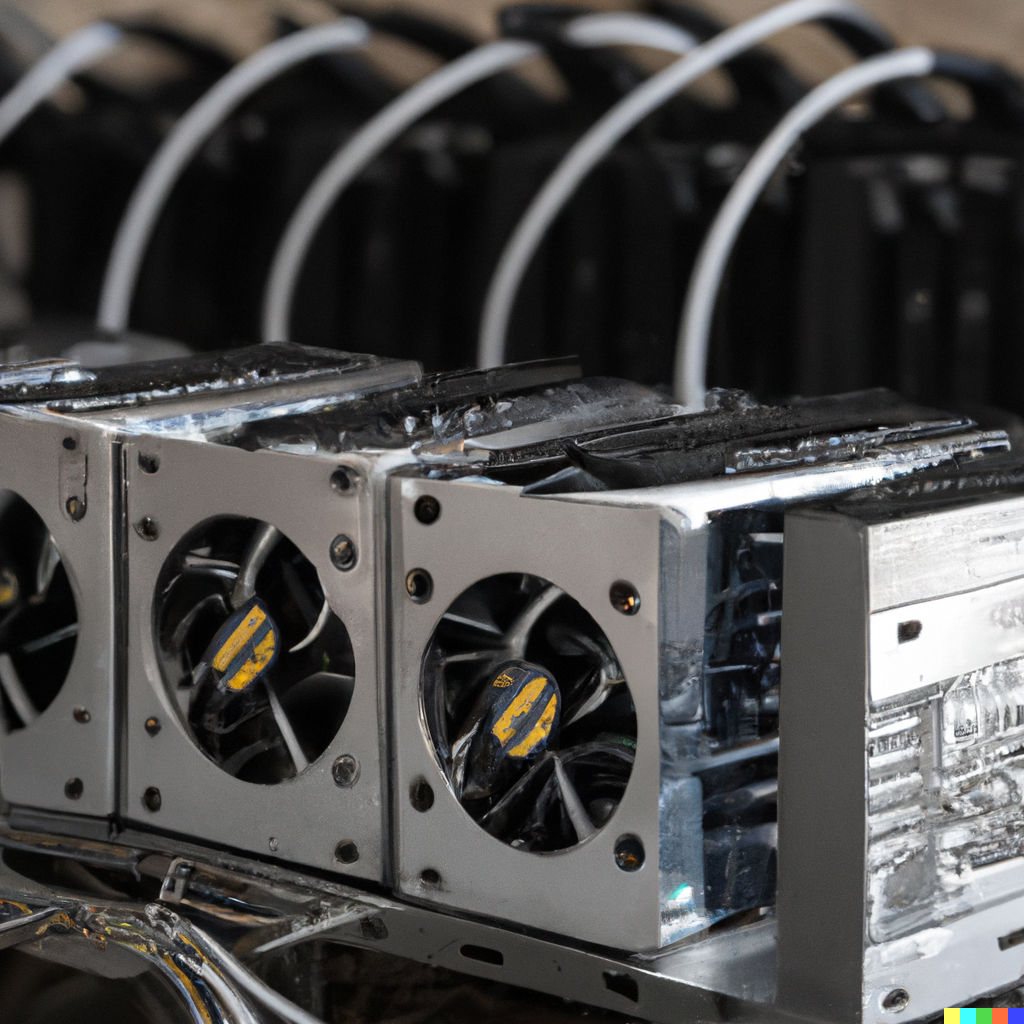
Bitcoin mining is the process by which transactions are verified and added to the public ledger, known as the blockchain. Miners use powerful computers to solve complex mathematical problems, and in return, they are rewarded with newly minted bitcoins. This process not only secures the network but also regulates the issuance of new coins.
The Rise of Mining Pools
Initially, individual miners could successfully mine Bitcoin on their own. However, as the difficulty of mining increased, many miners began to join forces in mining pools. These pools allow miners to combine their computational power, increasing their chances of earning rewards. According to a recent article from OneMiners, four mining pools now account for over 70% of Bitcoin’s blocks, highlighting a significant concentration of power.
Implications of Centralization
The centralization of mining pools poses several risks to the Bitcoin network. When a small number of pools control the majority of the mining power, they can potentially manipulate the network. This situation raises concerns about 51% attacks, where a single entity could gain control over the blockchain, allowing them to double-spend coins or censor transactions.
Moreover, the reliance on a few large pools can lead to vulnerabilities in the network’s security and stability. As noted in the OneMiners article, the transition to Stratum V2 has been slow, with only a few pools adopting this new protocol. This delay could further entrench the existing power structures within the mining ecosystem.
Energy Consumption and Environmental Impact
Bitcoin mining is notorious for its high energy consumption. The process requires substantial computational power, leading to significant electricity usage. As the network grows, so does the demand for energy, raising questions about the sustainability of Bitcoin mining.
Some mining operations are exploring renewable energy sources to mitigate their environmental impact. However, the majority still rely on fossil fuels, contributing to carbon emissions. The CoinDesk report highlights the ongoing debate surrounding the environmental implications of Bitcoin mining, emphasizing the need for more sustainable practices.
Future of Bitcoin Mining
The future of Bitcoin mining will likely be shaped by technological advancements and regulatory changes. Innovations such as more efficient mining hardware and alternative consensus mechanisms could alter the landscape significantly. Additionally, as governments around the world begin to regulate cryptocurrencies, miners may face new challenges and opportunities.
As the market evolves, staying informed about the latest developments is crucial. For instance, Bitcoin Magazine recently reported on sanctions against a crypto exchange linked to Bitcoin transfers, showcasing the intersection of regulation and mining activities.
Conclusion
Bitcoin mining remains a vital aspect of the cryptocurrency ecosystem, but its centralization poses significant challenges. Understanding these dynamics is essential for miners, investors, and enthusiasts alike. As the industry continues to evolve, staying informed will be key to navigating the complexities of Bitcoin mining.