

Bitcoin mining has evolved significantly since its inception, becoming a complex and competitive industry. As the demand for Bitcoin increases, so does the need for efficient mining operations. This article explores the current landscape of Bitcoin mining, focusing on challenges such as pool centralization and regulatory hurdles, while also highlighting future opportunities.
What is Bitcoin Mining?
At its core, Bitcoin mining is the process by which new bitcoins are created and transactions are verified on the blockchain. Miners use powerful computers to solve complex mathematical problems, which helps secure the network and validate transactions. In return for their efforts, miners are rewarded with newly minted bitcoins and transaction fees.
The Rise of Mining Pools
As the Bitcoin network has grown, so has the difficulty of mining. Individual miners often find it challenging to compete against larger operations. This has led to the rise of mining pools, where miners combine their computational power to increase their chances of earning rewards. However, this has also resulted in significant centralization within the mining ecosystem.
According to a recent article from OneMiners, four mining pools now account for over 70% of Bitcoin’s blocks. This concentration raises concerns about the security and decentralization of the Bitcoin network. The article discusses the implications of this centralization and the potential solutions, such as the adoption of Stratum V2, which aims to enhance decentralization in mining pools.

Regulatory Challenges in Bitcoin Mining
As Bitcoin mining continues to grow, so does the scrutiny from regulators. Recently, the CFTC sent new crypto regulations to the White House for review, indicating a push for clearer guidelines in the cryptocurrency space. This regulatory environment can impact mining operations, especially in terms of energy consumption and environmental concerns.
Moreover, the regulatory landscape varies significantly across different regions. Some countries have embraced Bitcoin mining, while others have imposed strict regulations or outright bans. This inconsistency can create challenges for miners looking to operate globally.
Future Opportunities in Bitcoin Mining
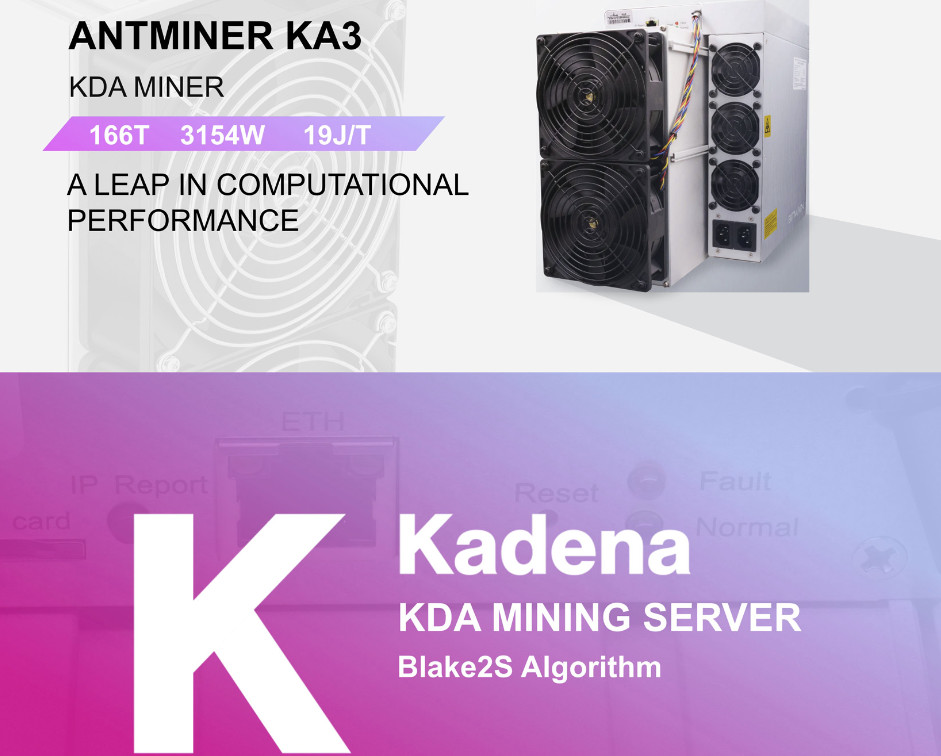
Despite the challenges, there are numerous opportunities within the Bitcoin mining sector. Innovations in technology, such as more efficient ASIC miners and renewable energy sources, are paving the way for sustainable mining practices. Miners who adopt these technologies can reduce their operational costs and environmental impact.
Additionally, as the Bitcoin ecosystem matures, there is potential for new financial products and services to emerge. For instance, Bitcoin-backed lending is gaining traction, as highlighted by Bitcoin Magazine. This could provide liquidity options for long-term holders and create new revenue streams for miners.

Conclusion
Bitcoin mining is at a crossroads, facing significant challenges from centralization and regulatory scrutiny. However, the future holds promise for those willing to adapt and innovate. By embracing new technologies and sustainable practices, miners can not only survive but thrive in this evolving landscape.