
As we look ahead to 2026, the landscape of Bitcoin mining continues to evolve. With advancements in technology and shifts in energy costs, many are asking: can you still mine Bitcoin at home? This article explores the viability of home mining, focusing on essential factors such as equipment, energy requirements, and overall profitability.
Understanding Bitcoin Mining
Bitcoin mining is the process by which transactions are verified and added to the public ledger, known as the blockchain. Miners use powerful computers to solve complex mathematical problems, and in return, they are rewarded with Bitcoin. However, the mining process is energy-intensive and requires significant investment in hardware.
Equipment Needed for Home Mining
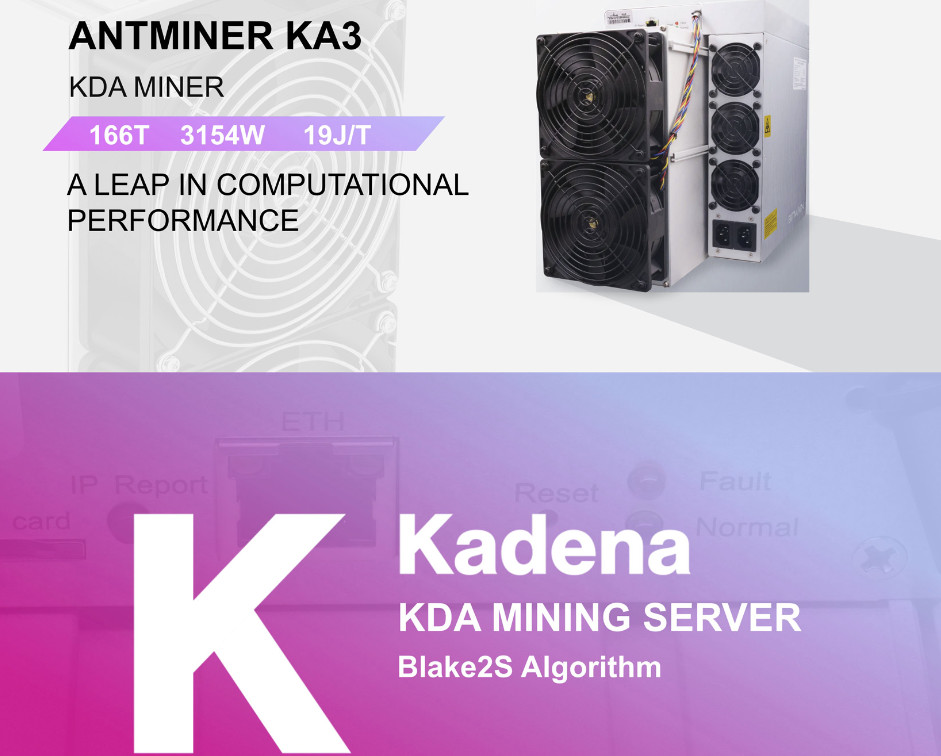
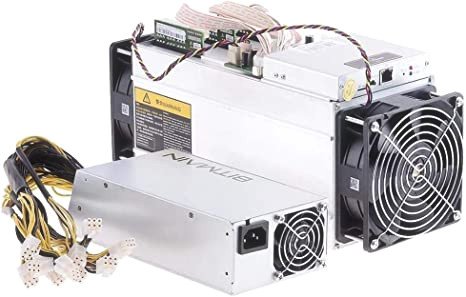
To mine Bitcoin effectively at home, you will need specialized hardware known as ASIC (Application-Specific Integrated Circuit) miners. These devices are designed specifically for mining cryptocurrencies and offer higher efficiency compared to traditional GPUs. However, the initial cost can be substantial, often ranging from hundreds to thousands of dollars.
In addition to ASIC miners, you will also need:
- Power Supply: A reliable power supply unit that can handle the energy demands of your mining rig.
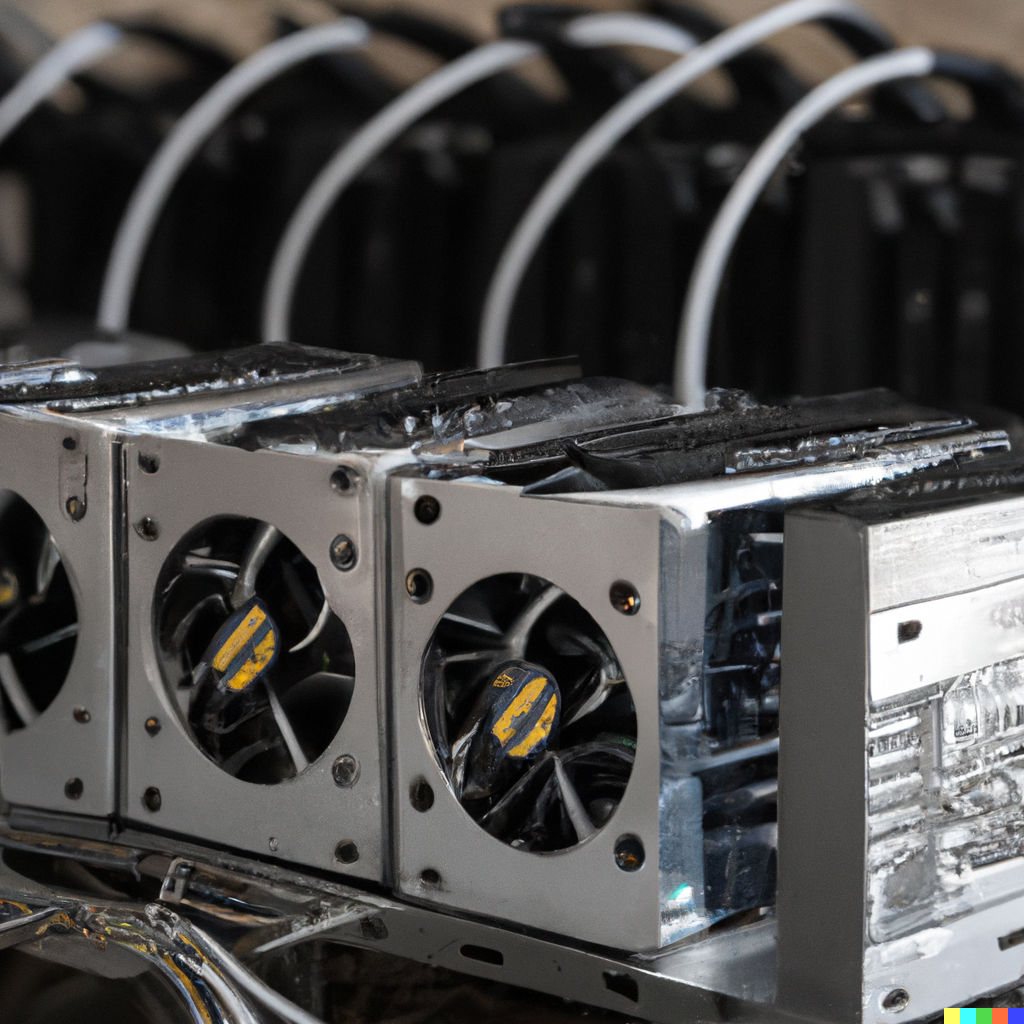
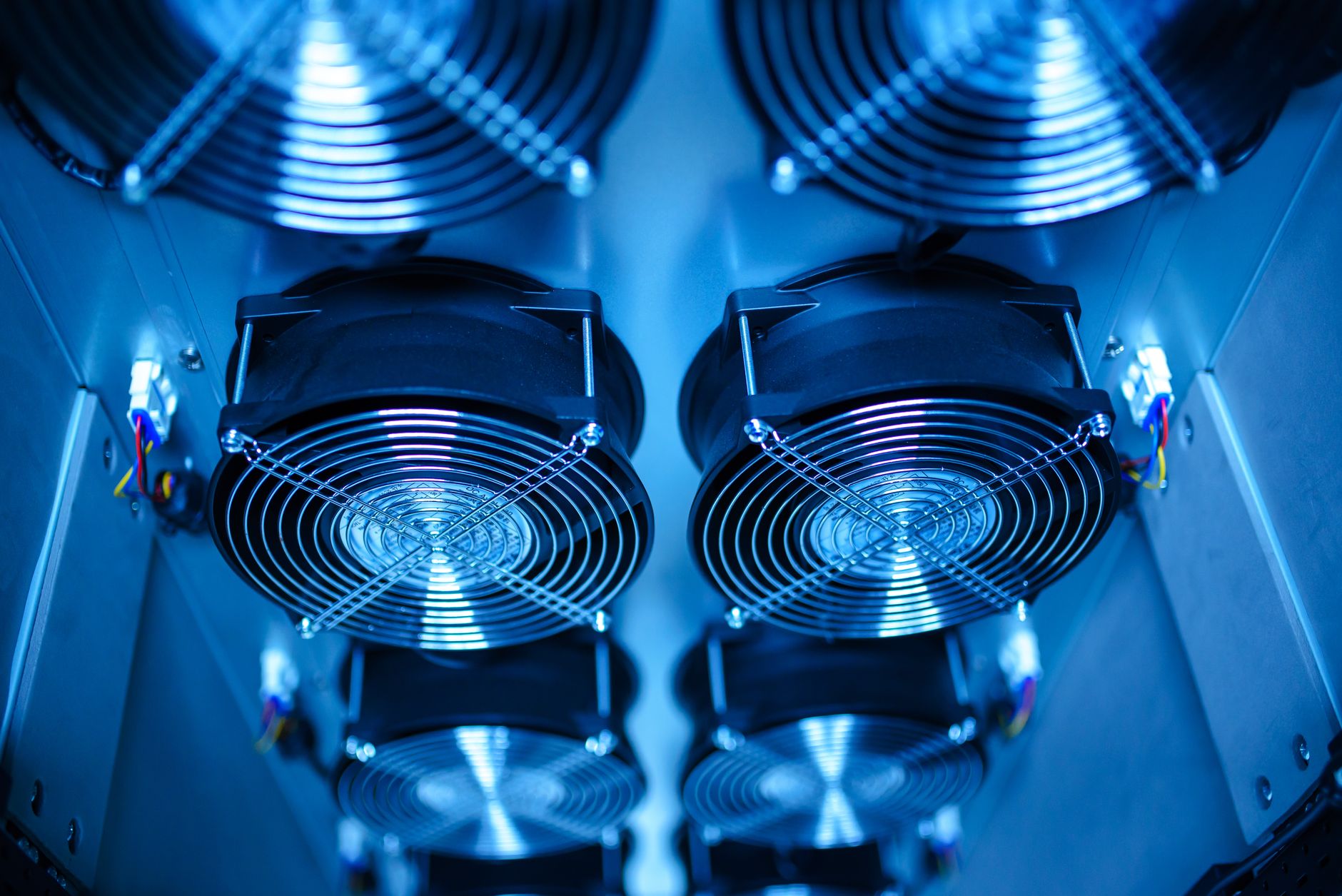
- Cooling Systems: Effective cooling solutions to manage the heat generated by your mining equipment.
- Mining Software: Software to connect your hardware to the Bitcoin network and manage your mining operations.
Energy Costs and Requirements
One of the most critical factors in determining the feasibility of home Bitcoin mining is energy consumption. Mining rigs can consume a significant amount of electricity, and the cost of power varies widely depending on your location. In 2026, it is essential to consider:
- Electricity Rates: The cost per kilowatt-hour (kWh) can greatly affect your profitability. In some regions, high electricity rates may make home mining unfeasible.
- Three-Phase Power Supply: Many ASIC miners require a three-phase power supply to operate efficiently. This setup may not be available in all homes.
- Heat Output: Mining equipment generates heat, which can affect your home environment. Proper ventilation and cooling systems are necessary to manage this heat.
For a detailed analysis of the energy requirements for home mining, check out the article on OneMiners.

Profitability of Home Mining in 2026
Determining the profitability of home Bitcoin mining involves calculating your potential earnings against your operational costs. Factors to consider include:
- Bitcoin Price: The price of Bitcoin fluctuates, impacting your mining rewards.
- Mining Difficulty: As more miners join the network, the difficulty of mining increases, which can reduce your earnings.
- Operational Costs: Include electricity, hardware maintenance, and cooling costs in your calculations.
In 2026, many miners may find that joining a mining pool, where resources are shared among multiple miners, can improve profitability. This approach allows for more consistent earnings, albeit with shared rewards.
Conclusion
As we approach 2026, home Bitcoin mining presents both opportunities and challenges. While advancements in technology may make it more accessible, factors such as energy costs and mining difficulty will play a significant role in determining its viability. For those considering this venture, thorough research and careful planning are essential.
For more insights into the current state of Bitcoin mining and its future, you can explore additional articles from CoinDesk and Bitcoin Magazine.