

As the cryptocurrency landscape evolves, many enthusiasts are asking: Is home Bitcoin mining still viable in 2026? With increasing competition and rising energy costs, understanding the feasibility of mining Bitcoin from home is crucial for potential miners.
Understanding Bitcoin Mining
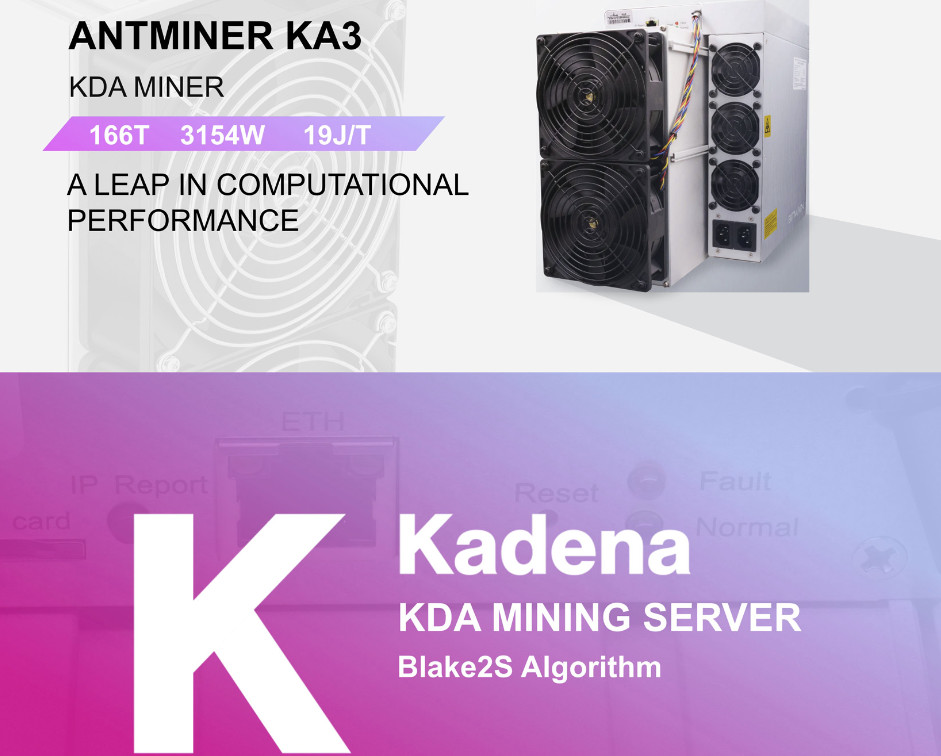
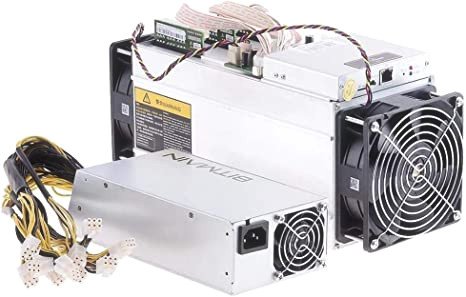
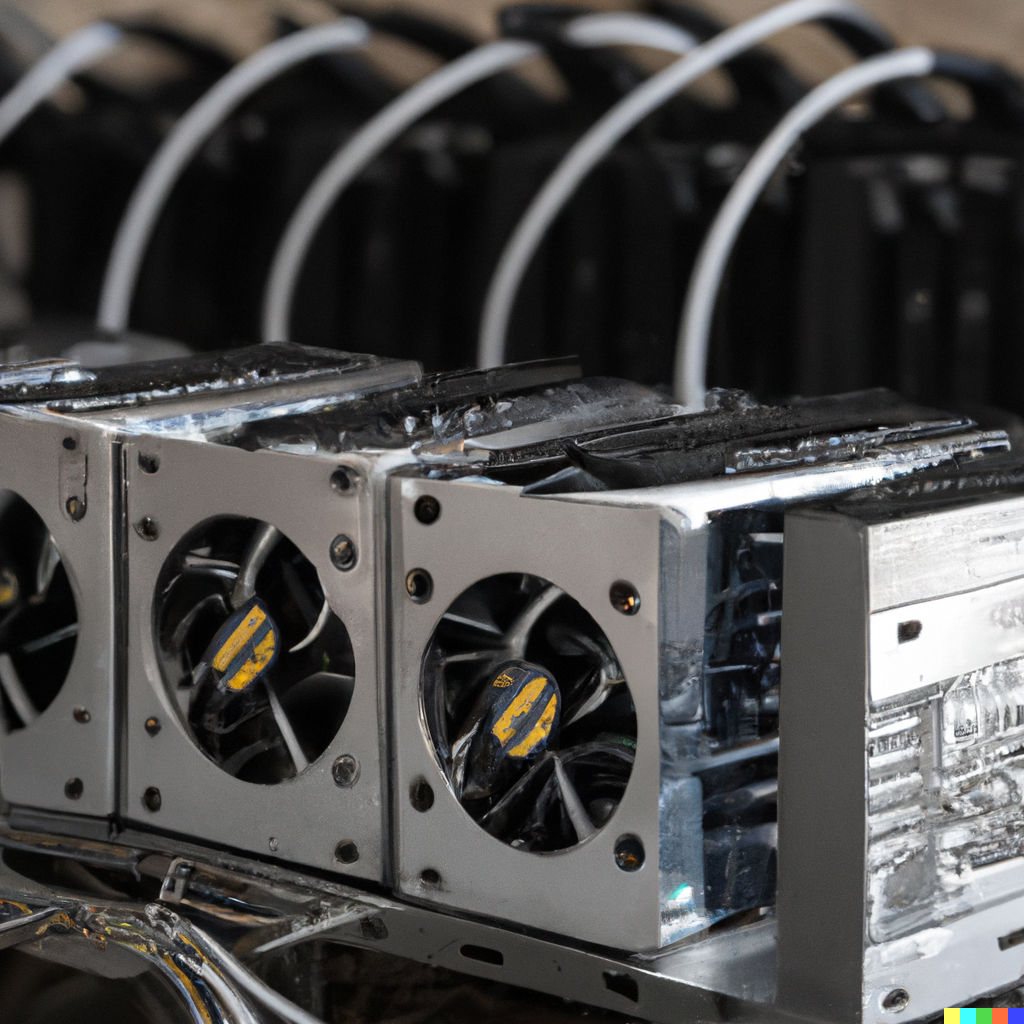
Bitcoin mining involves solving complex mathematical problems to validate transactions on the Bitcoin network. Miners use powerful computers, known as ASICs (Application-Specific Integrated Circuits), to perform these calculations. The process not only secures the network but also generates new bitcoins, rewarding miners for their efforts.
Electricity Costs and Requirements
One of the primary concerns for home miners is electricity consumption. According to a recent article from OneMiners, the electricity rate you need to consider is critical. Many mining rigs require a three-phase power supply, which may not be readily available in all residential areas. Additionally, the noise and heat generated by mining equipment can be significant, impacting the home environment.
Equipment Needs for Home Mining
To mine Bitcoin effectively, you need specialized hardware. ASIC miners are the most efficient, but they come with a hefty price tag. As noted in the CoinDesk article, the market for these machines is competitive, and finding a reliable supplier can be challenging.
Environmental Considerations
Another factor to consider is the environmental impact of Bitcoin mining. The energy-intensive nature of mining has raised concerns about its carbon footprint. Many miners are now looking into renewable energy sources to mitigate these effects. This shift is essential for the sustainability of Bitcoin mining, especially as regulations around energy consumption become stricter.
Future of Home Mining
As we look towards 2026, the viability of home Bitcoin mining will depend on several factors, including energy prices, hardware advancements, and regulatory changes. While some may find it feasible to mine at home, others might consider joining mining pools or investing in larger operations to increase profitability.
Additional reading: Bitcoin ETFs Extend Winning Streak With Nearly $3B in Inflows from Bitcoin Magazine.

Conclusion
In summary, while home Bitcoin mining presents challenges, it remains a possibility for those willing to navigate the complexities of electricity costs, equipment needs, and environmental impacts. As the landscape continues to evolve, staying informed will be key to making the right decisions in the world of cryptocurrency.