
As the cryptocurrency landscape evolves, many enthusiasts are left wondering about the future of Bitcoin mining. With advancements in technology and increasing energy costs, is home mining still a viable option in 2026? This article aims to explore the current state of Bitcoin mining, focusing on the feasibility of mining from home.
Understanding Bitcoin Mining
Bitcoin mining is the process by which transactions are verified and added to the public ledger, known as the blockchain. Miners use powerful computers to solve complex mathematical problems, and in return, they are rewarded with newly minted bitcoins. However, the landscape of Bitcoin mining is changing rapidly.
Home Mining: The Current Scenario
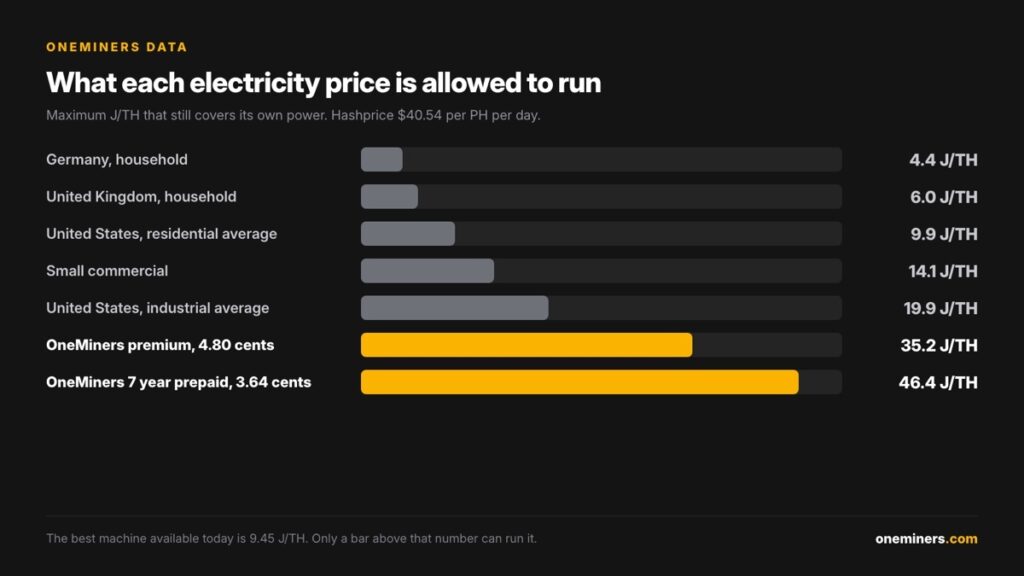
In 2026, the feasibility of mining Bitcoin at home largely depends on several factors, including electricity costs, hardware requirements, and the overall mining difficulty. According to a recent article from OneMiners, the electricity rate is a crucial factor that home miners must consider. High electricity costs can significantly cut into profits, making home mining less attractive.
Moreover, most modern Bitcoin mining rigs require a three-phase power supply to operate efficiently. This requirement can pose challenges for home miners, especially in residential areas where such setups are not common. Additionally, the noise and heat generated by mining equipment can be substantial, further complicating home mining.
Equipment Considerations
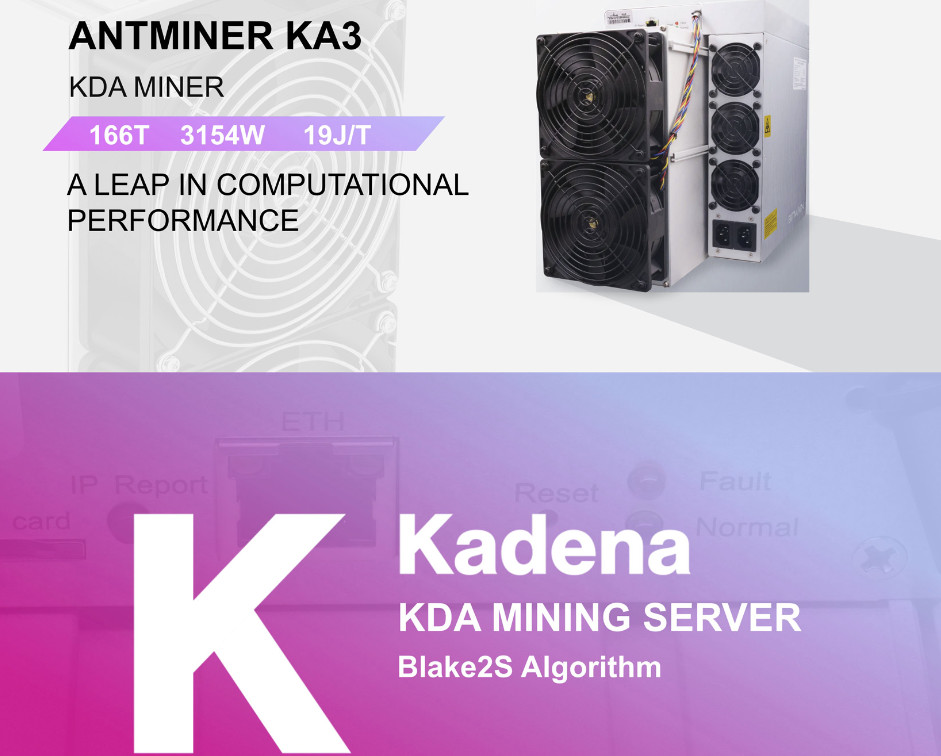
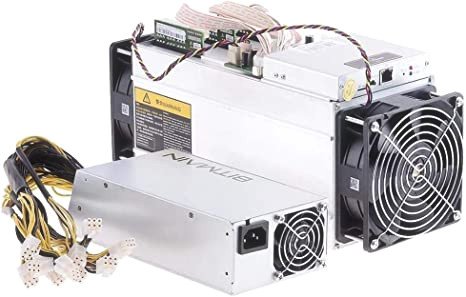
Choosing the right equipment is essential for successful Bitcoin mining. ASIC miners are the most efficient machines available, but they come with a hefty price tag. As noted in the CoinDesk article, the initial investment in hardware can be significant, and potential miners should weigh this against the expected returns.
Additionally, keeping up with the latest technology is vital. The mining industry is highly competitive, and older machines may quickly become obsolete. Therefore, miners must stay informed about advancements in mining technology.
Energy Efficiency and Sustainability
As environmental concerns grow, energy efficiency has become a focal point in the Bitcoin mining discussion. Miners are increasingly looking for sustainable energy sources to power their operations. Utilizing renewable energy can not only reduce costs but also lessen the environmental impact of mining.
In 2026, miners who can access cheaper and cleaner energy sources will have a significant advantage. This shift towards sustainability is essential for the long-term viability of Bitcoin mining.
Additional reading: North Korean Hackers Linked to $388M Bitget Crypto Exchange Theft: CEO from Bitcoin Magazine.

Conclusion
In conclusion, while home Bitcoin mining may still be possible in 2026, it comes with various challenges that potential miners must consider. Factors such as electricity costs, equipment requirements, and sustainability will play crucial roles in determining the feasibility of mining from home. For those looking to enter the Bitcoin mining space, thorough research and careful planning will be essential.