

Bitcoin mining is a crucial process that underpins the entire Bitcoin network. It involves solving complex mathematical problems to validate transactions and secure the network. As the popularity of Bitcoin continues to grow, understanding the intricacies of mining becomes increasingly important.
What is Bitcoin Mining?
At its core, Bitcoin mining is the process through which new bitcoins are created and transactions are verified. Miners use powerful computers to solve cryptographic puzzles, and the first one to solve the puzzle gets to add a new block to the blockchain. This process not only creates new bitcoins but also ensures the integrity and security of the network.
The Role of Miners
Miners play a vital role in maintaining the Bitcoin network. They validate transactions, prevent double-spending, and secure the network against attacks. As a reward for their efforts, miners receive newly minted bitcoins and transaction fees from users.
Economic Implications of Bitcoin Mining
Bitcoin mining has significant economic implications. It requires substantial investment in hardware and energy. According to a recent article from OneMiners, the fluctuating price of Bitcoin can impact mining profitability, especially as energy costs rise.
Moreover, the environmental impact of mining has come under scrutiny. The energy consumption associated with mining operations can be substantial, leading to debates about sustainability and the carbon footprint of cryptocurrency.
Regulatory Landscape
As the cryptocurrency market evolves, so does the regulatory landscape. Recently, the SEC proposed new rules for crypto custody, which could affect how miners and investors manage their assets. These regulations aim to provide clearer guidelines for custody solutions, which is essential for the growth of the industry.

Technological Advances in Mining
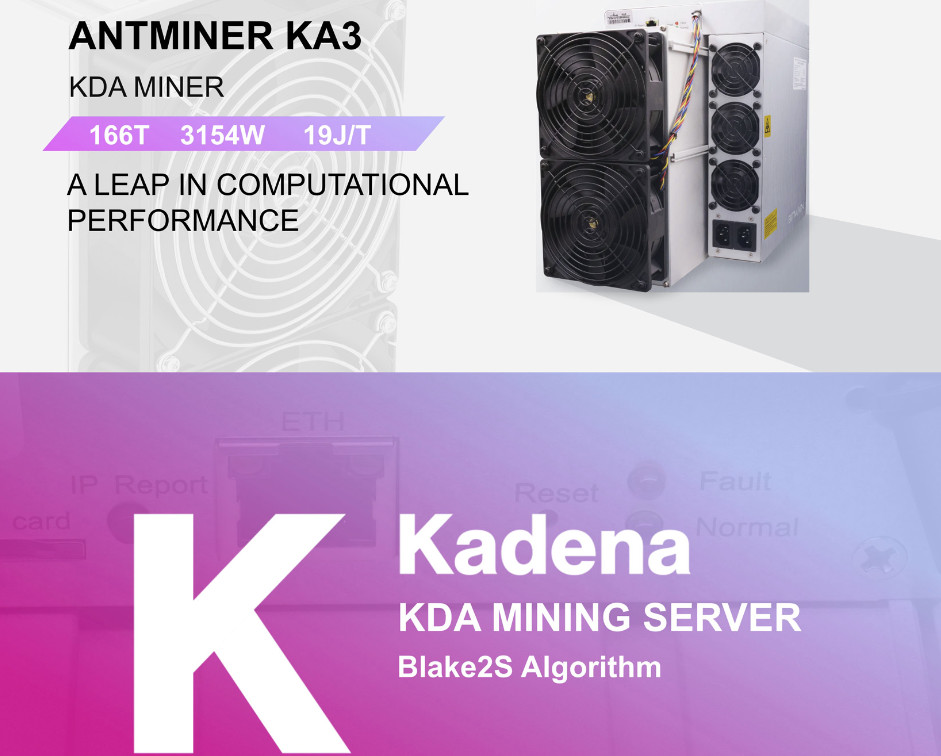
Technological advancements continue to shape the future of Bitcoin mining. Innovations in hardware, such as more efficient ASIC miners, are helping miners reduce costs and increase profitability. Additionally, the integration of renewable energy sources is becoming more common, addressing some of the environmental concerns associated with mining.
Challenges Faced by Miners
- High Energy Costs: Mining operations require significant energy, which can lead to high operational costs.
- Regulatory Uncertainty: Changes in regulations can impact mining operations and profitability.
- Market Volatility: The price of Bitcoin is highly volatile, affecting miners’ revenues.
Despite these challenges, many miners remain optimistic about the future of Bitcoin. The potential for Bitcoin to revolutionize the financial landscape continues to attract new participants to the mining sector.
Additional reading: Frank Holmes: They Will Print $100 Trillion – Why to Buy Bitcoin & Gold from Bitcoin Magazine.

Conclusion
Bitcoin mining is a complex yet fascinating aspect of the cryptocurrency ecosystem. As the industry evolves, staying informed about technological advancements and regulatory changes is crucial for miners and investors alike. For more insights on the current state of Bitcoin and its economic implications, check out the full article on OneMiners.