

Bitcoin mining has become a crucial aspect of the cryptocurrency ecosystem, serving as the backbone of the Bitcoin network. As the demand for Bitcoin continues to rise, so does the complexity and scale of mining operations. In this article, we will explore the current trends, challenges, and future prospects of Bitcoin mining.
Understanding Bitcoin Mining
At its core, Bitcoin mining involves validating transactions on the Bitcoin network and adding them to the blockchain. Miners use powerful computers to solve complex mathematical problems, a process that requires significant computational power and energy. As more miners join the network, the difficulty of these problems increases, necessitating more advanced hardware.
Current Trends in Bitcoin Mining
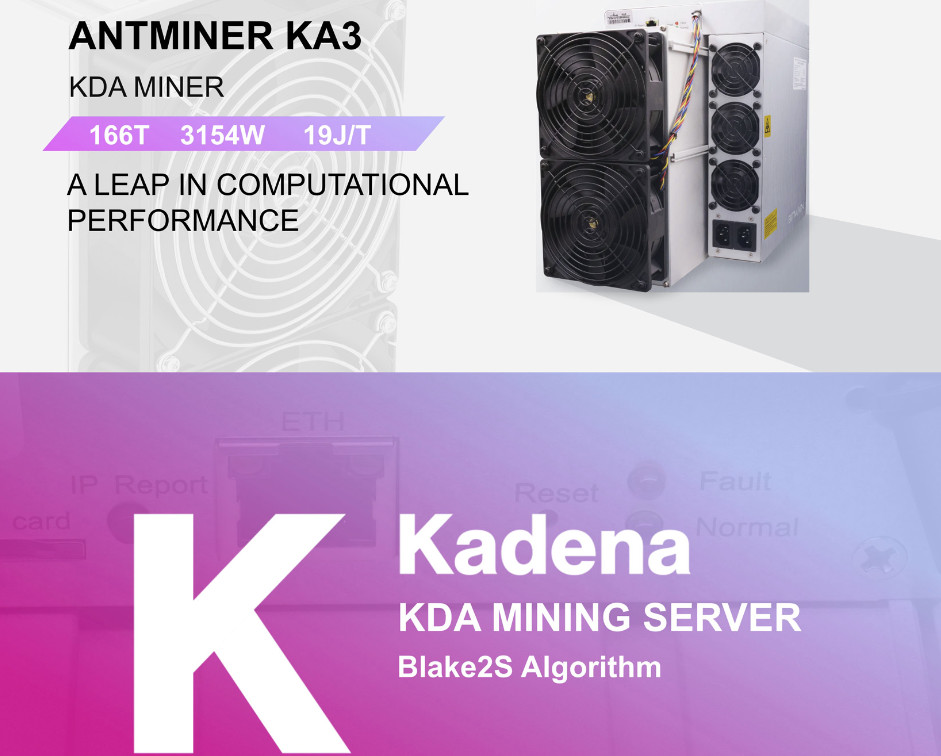
- Increased Use of ASIC Miners: Application-Specific Integrated Circuits (ASICs) have become the standard for Bitcoin mining due to their efficiency and power. Miners are continually upgrading to the latest models to stay competitive.
- Shift Towards Renewable Energy: With rising energy costs and environmental concerns, many mining operations are transitioning to renewable energy sources. This shift not only reduces costs but also aligns with global sustainability goals.
- Geographic Redistribution: As regulations change, mining operations are moving to regions with favorable policies and lower energy costs. Countries like Kazakhstan and Texas have become popular destinations for miners.
According to a recent article by OneMiners, the landscape of mining hardware is continuously evolving, with companies like Bitmain leading the charge in developing more efficient miners. The competition among miners is fierce, and those who can adapt quickly to technological advancements will thrive.

Challenges Facing Bitcoin Miners
Despite the lucrative nature of Bitcoin mining, several challenges persist:
- Regulatory Scrutiny: Governments worldwide are increasingly scrutinizing cryptocurrency mining operations, leading to potential restrictions and compliance costs.
- Environmental Impact: The energy consumption of Bitcoin mining has raised concerns about its environmental footprint, prompting calls for more sustainable practices.
- Market Volatility: The price of Bitcoin is notoriously volatile, which can impact the profitability of mining operations. Miners must be prepared for fluctuations in revenue.
As highlighted in a CoinDesk article, the financial landscape surrounding Bitcoin is also changing, with rising funding rates indicating a bullish sentiment among investors. This could lead to increased demand for mining as more individuals and institutions seek to acquire Bitcoin.
The Future of Bitcoin Mining
Looking ahead, several trends are likely to shape the future of Bitcoin mining:
- Integration with AI: As Frank Holmes discusses in a Bitcoin Magazine interview, the intersection of AI and Bitcoin mining could lead to more efficient operations and innovative solutions.
- Enhanced Security Measures: With the rise of cyber threats, miners will need to invest in robust security protocols to protect their operations and assets.
- Community Engagement: Miners are increasingly engaging with local communities to address concerns about environmental impact and energy consumption, fostering a more sustainable mining ecosystem.
In conclusion, Bitcoin mining is at a pivotal moment, facing both challenges and opportunities. As technology advances and the market evolves, miners who adapt to these changes will be well-positioned for success. For more insights on the future of mining, check out the full article on OneMiners.