

Bitcoin mining has evolved significantly since its inception, becoming a complex and competitive industry. As the demand for Bitcoin increases, so does the need for efficient mining operations. This article explores the current trends, challenges, and future of Bitcoin mining.
Understanding Bitcoin Mining
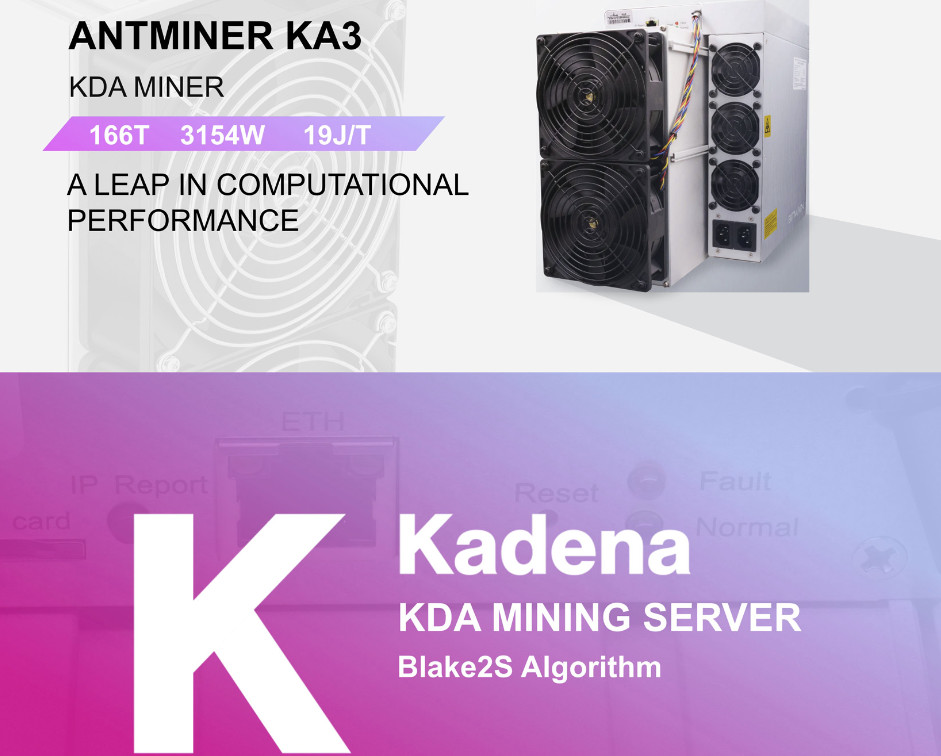
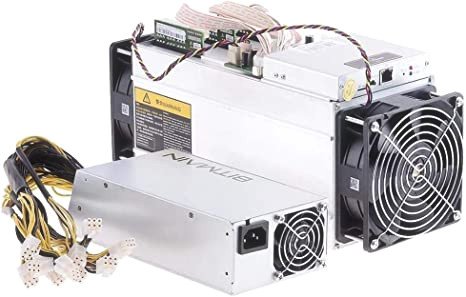
At its core, Bitcoin mining involves solving complex mathematical problems to validate transactions on the Bitcoin network. Miners use powerful computers, known as ASIC miners, to compete for the chance to add new blocks to the blockchain. This process not only secures the network but also rewards miners with newly minted Bitcoins.
Current Trends in Bitcoin Mining
- Increased Centralization: A significant portion of Bitcoin mining is now concentrated in specific regions, particularly where electricity is cheap. This centralization poses risks to the network’s decentralization ethos.
- Environmental Concerns: The energy consumption of Bitcoin mining has raised eyebrows, prompting discussions about sustainability and the carbon footprint of mining operations.
- Technological Advancements: Innovations in mining hardware and software are continually improving efficiency. For instance, newer ASIC miners offer better performance while consuming less energy.

Challenges Facing Bitcoin Miners
Despite its profitability, Bitcoin mining faces several challenges:
- Regulatory Scrutiny: Governments are increasingly scrutinizing mining operations, with some regions imposing restrictions or outright bans on mining activities.
- Market Volatility: The price of Bitcoin can fluctuate dramatically, impacting miners’ profitability and operational decisions.
- Competition: As more miners enter the market, competition increases, making it harder for individual miners to succeed without significant investment.
Future of Bitcoin Mining
The future of Bitcoin mining is likely to be shaped by several factors:
- Shift to Renewable Energy: Many miners are exploring renewable energy sources to mitigate environmental concerns and reduce costs.
- Integration of AI: Artificial intelligence may play a role in optimizing mining operations, from predicting market trends to enhancing hardware efficiency.
- Emerging Technologies: New technologies, such as quantum computing, could revolutionize the mining landscape, although they also pose potential threats to the current security model of Bitcoin.
As Bitcoin continues to gain traction, the mining industry will need to adapt to these changes. For more insights on Bitcoin mining, check out the article on OneMiners.
Additional reading: U.S. added just 29,000 jobs in September, with unemployment rate rising to 4.2% from CoinDesk.
Additional reading: Bitcoin Price Surges Above $87,000 on Softer-Than-Expected Jobs Data from Bitcoin Magazine.
Conclusion
Bitcoin mining is at a crossroads, facing both challenges and opportunities. As the industry evolves, staying informed about trends and technological advancements will be crucial for miners and investors alike. The future promises to be dynamic, and those who adapt will thrive in this ever-changing landscape.