
As the world grapples with fluctuating energy costs, Bitcoin mining operations are facing unprecedented challenges. The recent surge in electricity prices has raised concerns among miners regarding the sustainability and profitability of their operations.
Understanding the Electricity Price Surge
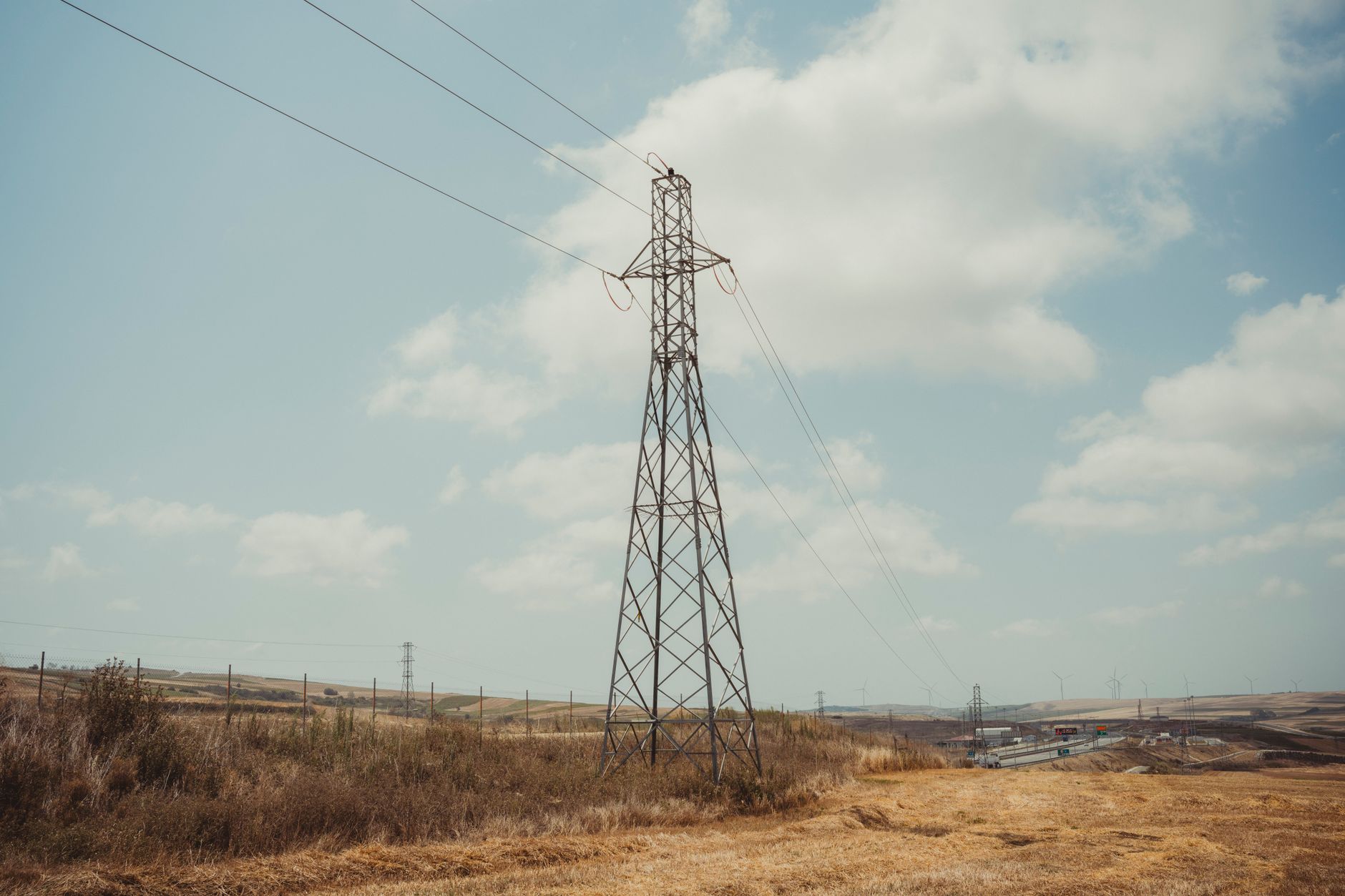
Electricity prices are rising globally due to various factors, including geopolitical tensions, supply chain disruptions, and increased demand for energy. According to a recent article from OneMiners, these rising costs are significantly impacting Bitcoin miners, who rely heavily on affordable electricity to maintain profitability.
Why Electricity Matters in Bitcoin Mining
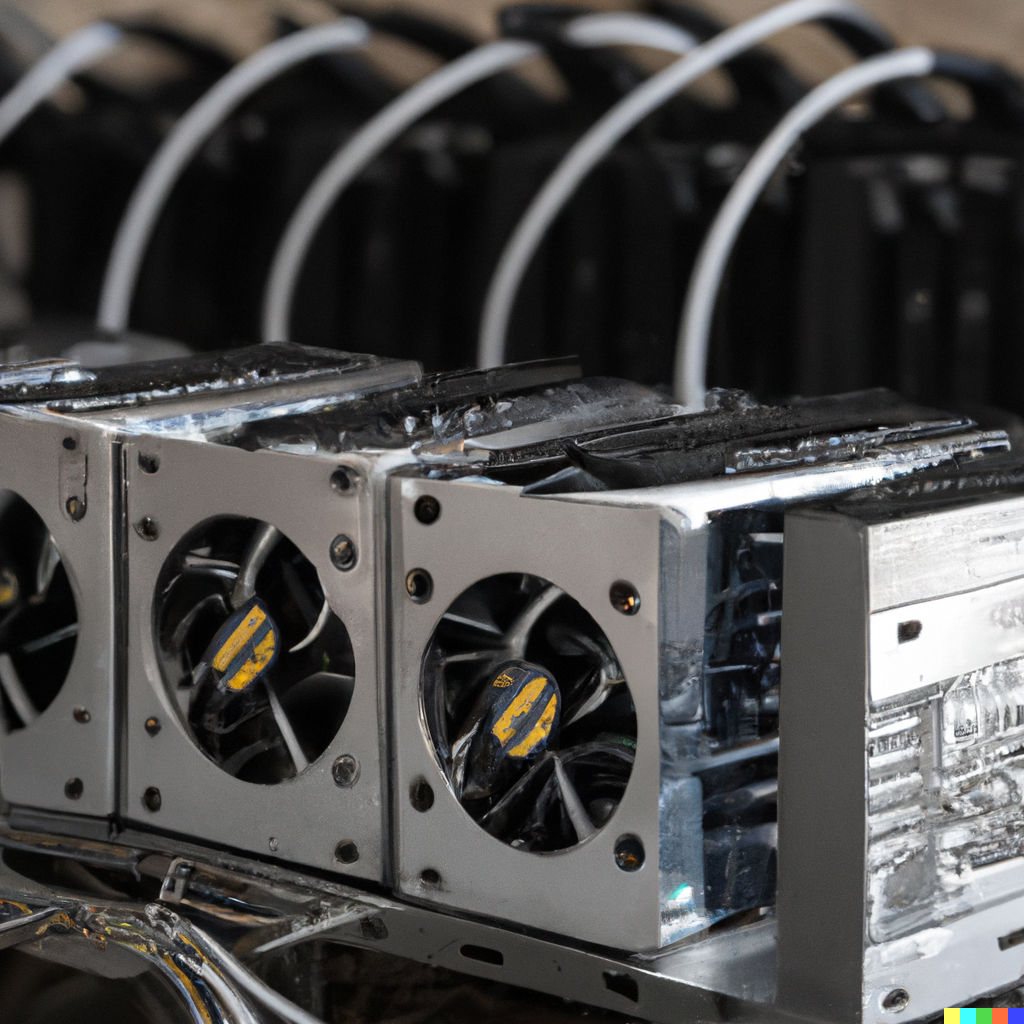
Bitcoin mining is an energy-intensive process that requires substantial computational power. Miners use specialized hardware to solve complex mathematical problems, which in turn validates transactions on the Bitcoin network. The costs associated with electricity can make or break a mining operation.
- High Energy Consumption: Mining rigs consume a large amount of electricity, often leading to high operational costs.
- Profitability Challenges: As electricity prices rise, the profit margins for miners shrink, forcing some to reconsider their operations.
- Geographical Disparities: The cost of electricity varies significantly by region, influencing where mining operations are established.
Regional Impacts of Rising Electricity Costs
Different regions are experiencing varying impacts from rising electricity prices. In areas where energy is traditionally cheap, such as parts of North America, miners may still find it feasible to operate. However, in regions where electricity is expensive, many miners are being forced to shut down or relocate.
For instance, miners in Europe are facing steep increases in electricity costs, which has led to a decline in mining activities. This trend is echoed in the CoinDesk report, highlighting how the economic landscape is shifting for crypto operations.
Strategies for Miners to Adapt
In light of these challenges, many Bitcoin miners are exploring various strategies to adapt to the rising costs:
- Renewable Energy Sources: Some miners are investing in renewable energy solutions to mitigate costs.
- Energy Efficiency: Upgrading to more energy-efficient mining hardware can help reduce electricity consumption.
- Location Optimization: Miners are relocating to regions with lower electricity costs or favorable regulations.
The Future of Bitcoin Mining Amid Rising Costs
The future of Bitcoin mining is uncertain as electricity prices continue to rise. Miners must adapt to the changing landscape by implementing innovative solutions and exploring new technologies. The ongoing discussions about regulatory frameworks, such as those mentioned by Bitcoin Magazine, may also influence the operational environment for miners.
In conclusion, as electricity prices rise globally, Bitcoin miners face significant challenges that could reshape the industry. By adopting new strategies and technologies, miners can navigate these turbulent waters and continue to thrive in the evolving crypto landscape.