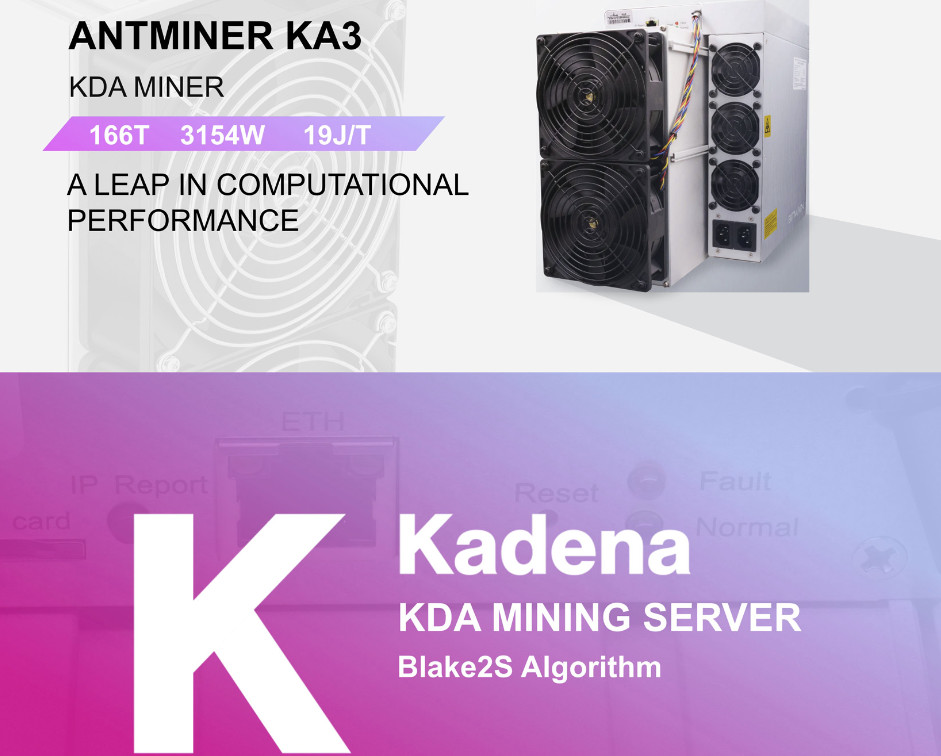


Bitcoin mining is a crucial process that underpins the entire Bitcoin network. It involves validating transactions and adding them to the blockchain, ensuring the integrity and security of the cryptocurrency. In this article, we will explore how Bitcoin mining works, its significance, and the challenges miners face.
What is Bitcoin Mining?
At its core, Bitcoin mining is the process of solving complex mathematical problems to validate transactions on the Bitcoin network. Miners use powerful computers to compete against each other to solve these problems, known as hashes. The first miner to solve the problem gets to add a new block of transactions to the blockchain and is rewarded with newly minted bitcoins.
The Mining Process
The mining process can be broken down into several key steps:
- Transaction Verification: Miners collect transactions from the Bitcoin network and verify their authenticity.
- Hash Calculation: Miners use the SHA-256 hashing algorithm to create a unique hash for the block of transactions.
- Difficulty Adjustment: The Bitcoin network adjusts the difficulty of the mining process approximately every two weeks to ensure that blocks are added to the blockchain at a consistent rate.
- Block Reward: Once a miner successfully adds a block, they receive a reward in the form of bitcoins, which incentivizes the mining process.
For a detailed explanation of these steps, you can refer to the comprehensive guide on OneMiners.

The Importance of Bitcoin Mining
Bitcoin mining serves several essential functions within the cryptocurrency ecosystem:
- Transaction Security: By verifying transactions, miners help prevent double-spending and fraud.
- Network Stability: Mining contributes to the stability of the Bitcoin network by ensuring that transactions are processed efficiently.
- Decentralization: The mining process is decentralized, meaning no single entity controls the network, which enhances security and trust.
Moreover, as Bitcoin gains popularity, the demand for mining has surged, leading to increased competition among miners. This competition not only drives innovation in mining technology but also raises questions about the environmental impact of mining operations.
Challenges Faced by Miners
Despite its importance, Bitcoin mining is not without challenges. Some of the most pressing issues include:
- High Energy Consumption: Mining requires significant amounts of electricity, leading to concerns about its environmental impact.
- Regulatory Scrutiny: Governments around the world are beginning to impose regulations on mining operations, which can affect profitability.
- Market Volatility: The value of Bitcoin can fluctuate dramatically, impacting miners’ returns on investment.
For instance, recent discussions around regulatory measures, such as the proposed 10% capital gains tax on cryptocurrency in Greece, highlight the evolving landscape of cryptocurrency regulation (CoinDesk).
Future of Bitcoin Mining
As the cryptocurrency market matures, the future of Bitcoin mining will likely involve a greater focus on sustainability and efficiency. Innovations in mining hardware and renewable energy sources are expected to play a significant role in shaping the industry.
Additionally, institutional interest in cryptocurrencies is growing, as evidenced by Standard Chartered’s plans to expand its crypto custody services in Singapore (CoinDesk). This trend could lead to increased investment in mining operations and technology.
Conclusion
Bitcoin mining is a vital component of the cryptocurrency ecosystem, ensuring transaction security and network stability. While it faces challenges such as high energy consumption and regulatory scrutiny, the future looks promising with ongoing innovations and increasing institutional interest. Understanding the intricacies of Bitcoin mining is essential for anyone looking to engage with the cryptocurrency market.
Additional reading: CFTC Chair Says New Crypto Rulemaking Will Prevent Another FTX-Style Collapse from Bitcoin Magazine.