

Bitcoin mining is a crucial process that underpins the entire Bitcoin network. It involves solving complex mathematical problems to validate transactions and add them to the blockchain. This guide will explore how Bitcoin mining works, the technology involved, and its significance in the cryptocurrency ecosystem.
What is Bitcoin Mining?
At its core, Bitcoin mining is the process of creating new bitcoins and verifying transactions on the Bitcoin network. Miners use powerful computers to solve cryptographic puzzles, which helps secure the network and maintain its integrity. The first miner to solve the puzzle gets to add a new block to the blockchain and is rewarded with newly minted bitcoins.
The Mining Process
The mining process can be broken down into several key steps:
- Transaction Verification: Miners collect transactions from the Bitcoin network and verify their validity.
- Block Creation: Valid transactions are grouped into a block, which is then hashed using the SHA-256 algorithm.
- Proof of Work: Miners compete to solve the cryptographic puzzle associated with the block. This requires significant computational power.
- Block Addition: Once a miner solves the puzzle, the new block is added to the blockchain, and the miner is rewarded.
For a more detailed explanation of how Bitcoin mining works, you can refer to the OneMiners guide.

The Technology Behind Bitcoin Mining
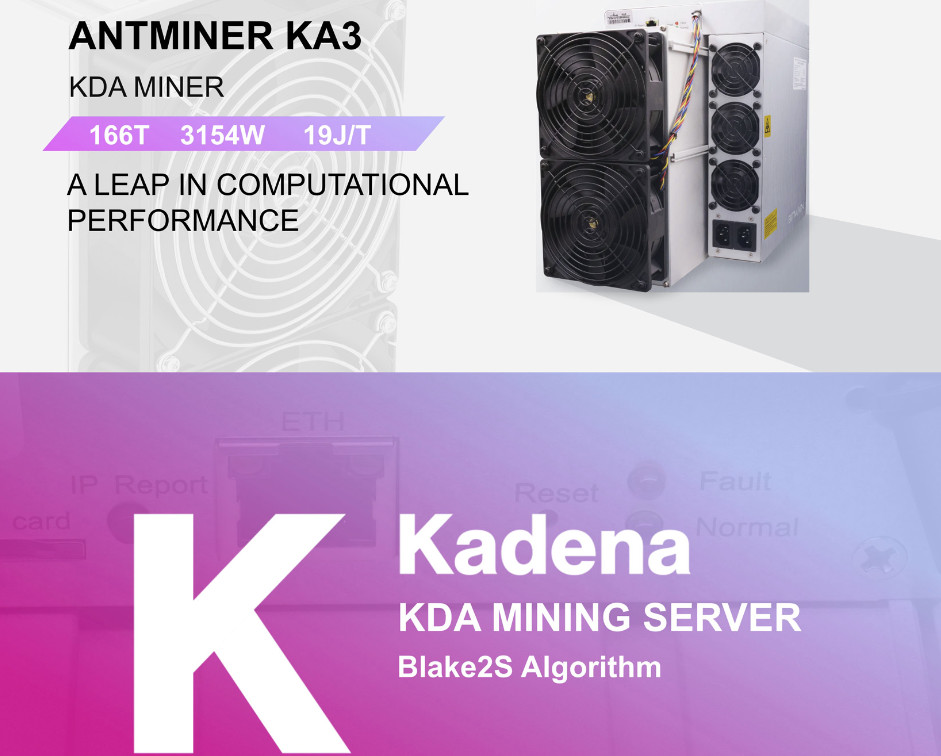
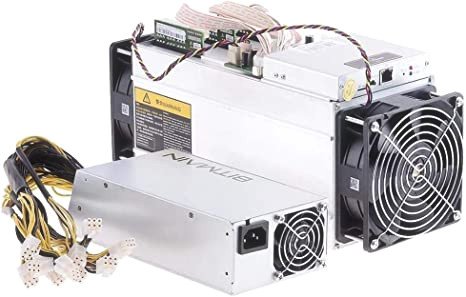
Bitcoin mining relies on specialized hardware known as ASIC (Application-Specific Integrated Circuit) miners. These devices are designed specifically for mining cryptocurrencies and are much more efficient than traditional CPUs or GPUs.
In addition to hardware, mining operations require substantial power and cooling systems to manage the heat generated during the mining process. The energy consumption of Bitcoin mining has raised concerns about its environmental impact, leading to discussions about sustainable mining practices.
Challenges in Bitcoin Mining
While Bitcoin mining can be lucrative, it also comes with its challenges:
- High Competition: As more miners join the network, the difficulty of solving puzzles increases, making it harder to earn rewards.
- Energy Costs: The cost of electricity can significantly impact profitability, especially in regions with high energy prices.
- Regulatory Issues: Governments around the world are scrutinizing mining operations, which can lead to regulatory challenges.
For insights into the current market trends and challenges, check out this article from CoinDesk.
The Future of Bitcoin Mining
The future of Bitcoin mining is likely to be shaped by advancements in technology and shifts in regulatory frameworks. Innovations such as the integration of renewable energy sources and improvements in mining efficiency could help mitigate some of the environmental concerns associated with mining.
Additionally, the rise of AI and automation in the mining sector may lead to more efficient operations. For example, a recent report from Bitcoin Magazine highlights how AI coding agents are driving a surge in Bitcoin integration requests.
Conclusion
Bitcoin mining is a complex yet fascinating process that plays a vital role in the cryptocurrency ecosystem. Understanding its workings, challenges, and future prospects can help enthusiasts and investors navigate the evolving landscape of digital currencies.