

Bitcoin mining is a critical component of the cryptocurrency ecosystem, serving as the process by which new bitcoins are created and transactions are verified on the blockchain. This guide aims to demystify the workings of Bitcoin mining, explaining its significance and the technology behind it.
What is Bitcoin Mining?
At its core, Bitcoin mining involves solving complex mathematical problems to validate transactions and add them to the blockchain. Miners use powerful computers to compete in solving these problems, and the first to succeed is rewarded with newly minted bitcoins and transaction fees.
The Mining Process
The mining process can be broken down into several key steps:
- Transaction Verification: Miners collect and verify transactions from the Bitcoin network.
- Block Creation: Verified transactions are grouped into a block.
- Hashing: Miners must find a hash that meets the network’s difficulty target, which requires significant computational power.
- Block Addition: Once a miner finds the correct hash, the block is added to the blockchain, and the miner is rewarded.
For a detailed explanation of how Bitcoin mining works, including examples, refer to the OneMiners article.
Mining Hardware and Software
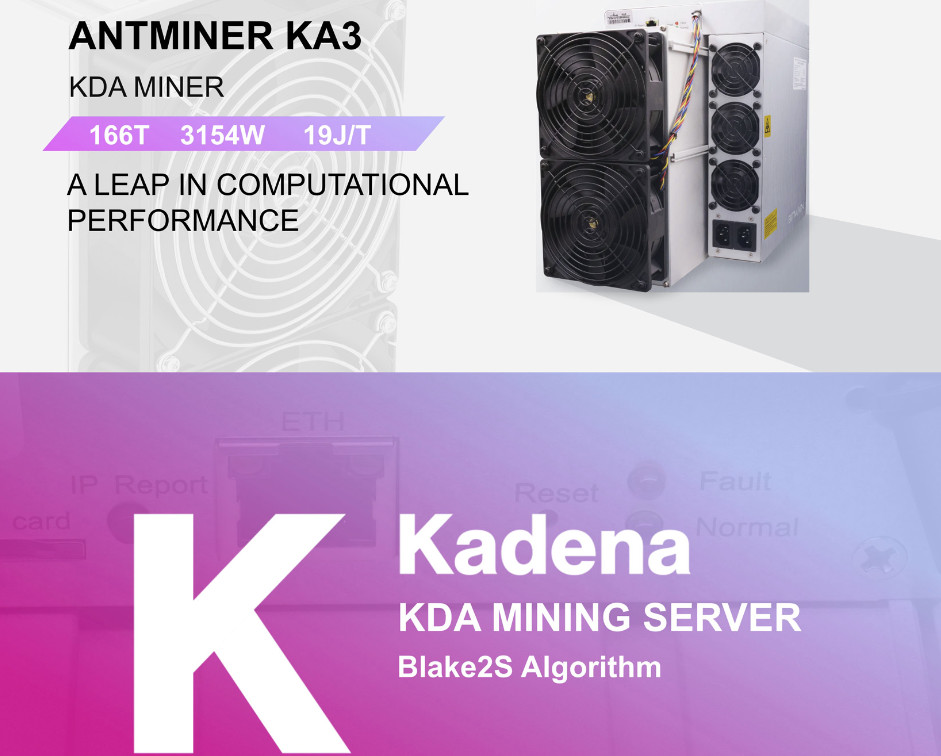
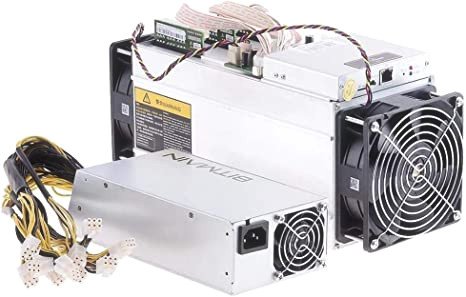
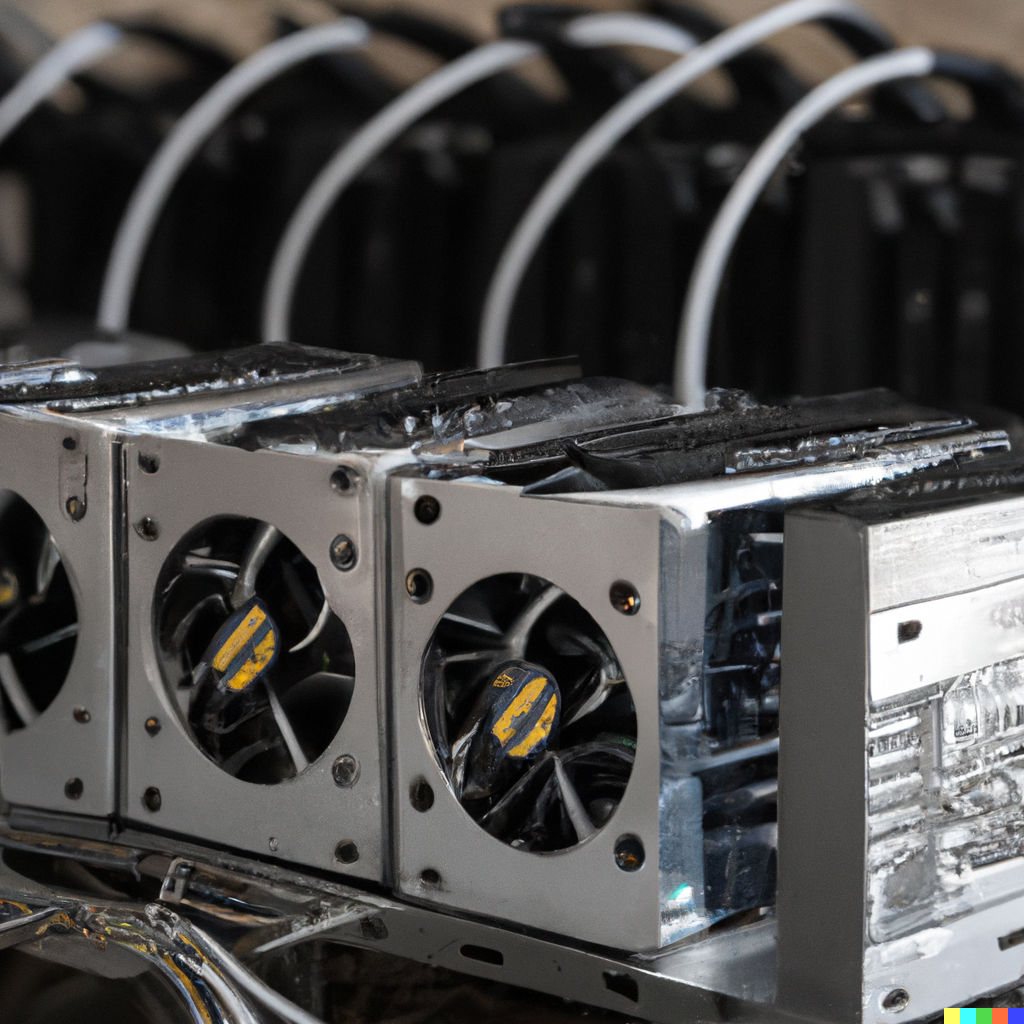
To participate in Bitcoin mining, miners require specialized hardware known as ASICs (Application-Specific Integrated Circuits). These devices are designed specifically for mining and offer superior performance compared to traditional CPUs or GPUs.
In addition to hardware, miners also need software to connect to the Bitcoin network and manage their mining operations. Popular mining software includes CGMiner and BFGMiner, which allow miners to monitor their performance and configure their hardware settings.
Mining Pools
Due to the increasing difficulty of mining, many miners join mining pools to combine their computational power. This collaborative approach allows miners to share rewards based on their contributions, making it more feasible for individual miners to earn bitcoins.
The Environmental Impact of Bitcoin Mining
Bitcoin mining has faced criticism for its environmental impact, primarily due to the high energy consumption associated with the process. Miners often seek out locations with cheap electricity, which can lead to significant carbon footprints.
Efforts are being made to mitigate these effects, such as using renewable energy sources for mining operations. For instance, some miners are utilizing solar and wind energy to power their facilities, which can help reduce the overall environmental impact.
Future of Bitcoin Mining
The future of Bitcoin mining is likely to be influenced by technological advancements and regulatory changes. As the Bitcoin network evolves, miners will need to adapt to new challenges and opportunities.
For instance, the integration of AI in mining operations is becoming more prevalent, as noted in a recent Bitcoin Magazine article. This trend could lead to more efficient mining processes and increased profitability.
Additional reading: Top Democrat among Senate investigators probes ties between Cantor Fitzgerald, Tether from CoinDesk.

Conclusion
Bitcoin mining remains a vital aspect of the cryptocurrency landscape, providing security and integrity to the Bitcoin network. As technology continues to evolve, so too will the methods and practices surrounding mining. Staying informed about these changes is essential for anyone interested in the future of Bitcoin.