

Bitcoin mining is a critical component of the cryptocurrency ecosystem, serving as the process through which new bitcoins are created and transactions are verified. As of now, approximately 20.09 million of the total 21 million bitcoins have already been mined. This raises an important question: what happens when all bitcoins are mined? Understanding this is essential for anyone interested in the future of Bitcoin and its mining operations.
The Bitcoin Mining Process
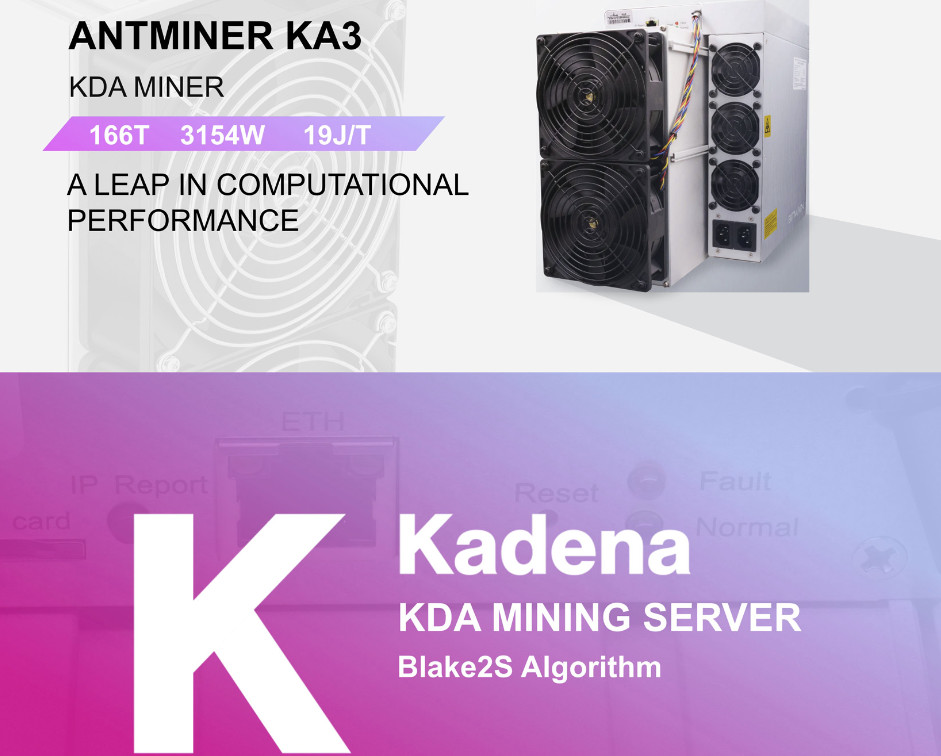
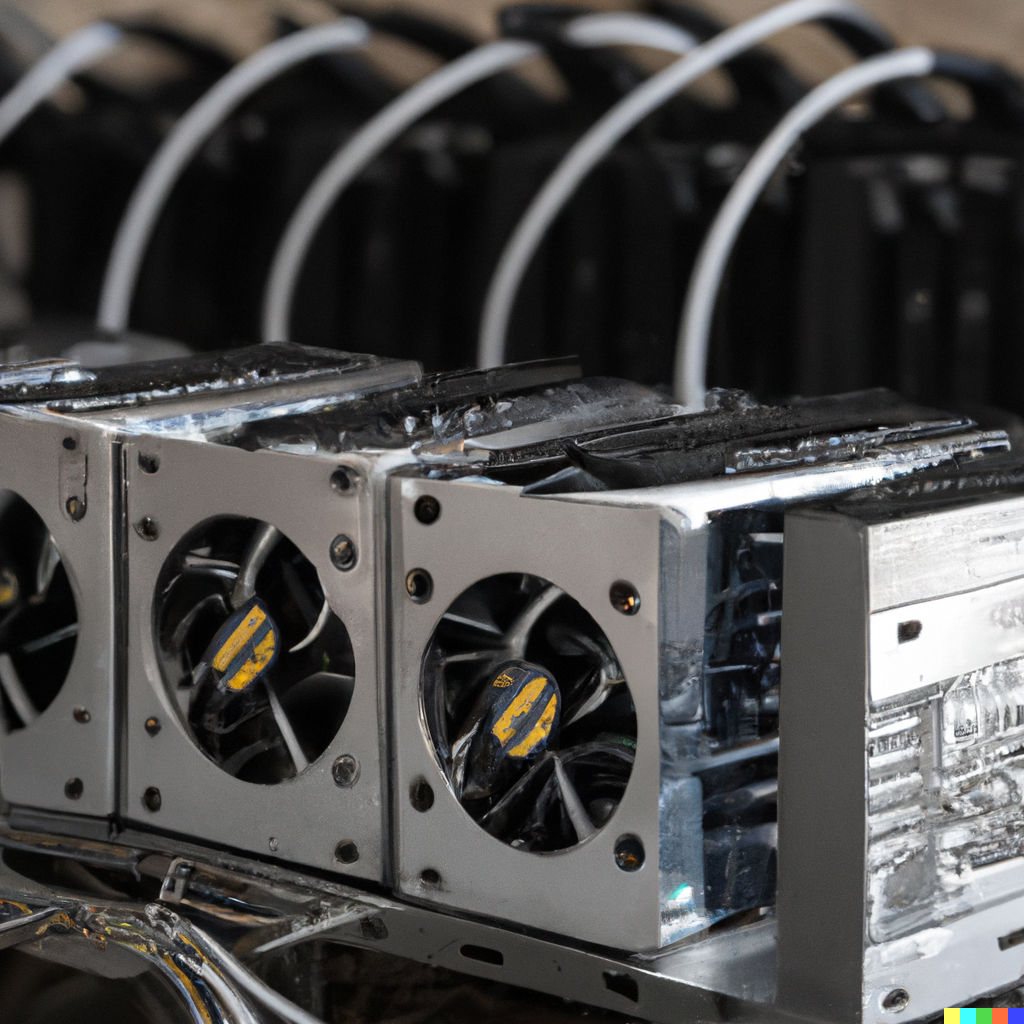
Bitcoin mining involves solving complex mathematical problems to validate transactions on the Bitcoin network. Miners use powerful computers, known as ASICs (Application-Specific Integrated Circuits), to perform these calculations. Each time a miner successfully solves a problem, they add a new block to the blockchain and are rewarded with newly minted bitcoins.
Currently, the reward for mining a block is 6.25 bitcoins, but this amount is halved approximately every four years in an event known as the halving. The next halving is expected to occur in 2028, reducing the reward to 3.125 bitcoins per block. This process is crucial for controlling the supply of bitcoins and is designed to ensure that the total number of bitcoins will never exceed 21 million.
What Happens After All Bitcoins Are Mined?
Once the last bitcoin is mined, expected around the year 2140, miners will no longer receive block rewards in the form of new bitcoins. Instead, they will rely solely on transaction fees paid by users to incentivize their participation in the network. This shift raises questions about the sustainability of Bitcoin mining and the potential impact on transaction processing.
According to a recent article from OneMiners, the transition to a fee-based system may lead to increased transaction costs for users, as miners will need to cover their operational expenses without the benefit of block rewards. This could also affect the speed and efficiency of transactions on the network.

The Future of Bitcoin Mining
As the mining landscape evolves, several factors will influence its future. One significant concern is the environmental impact of mining operations, particularly regarding energy consumption. Bitcoin mining is known for its high energy demands, which has led to criticism and calls for more sustainable practices.
In light of these challenges, some miners are exploring renewable energy sources to power their operations. This shift not only addresses environmental concerns but also helps reduce operational costs. For instance, a report from CoinDesk highlights how miners are increasingly investing in solar and wind energy to create a more sustainable mining ecosystem.
Regulatory Landscape
The regulatory environment surrounding Bitcoin mining is also evolving. Governments around the world are beginning to implement regulations that could impact mining operations. For example, some regions are considering restrictions on energy usage for mining, while others are exploring taxation policies for miners. Keeping abreast of these developments is crucial for anyone involved in the mining sector.
Moreover, the increasing institutional interest in Bitcoin and its underlying technology may lead to more structured regulations. As noted by Bitcoin Magazine, the growing involvement of institutional investors could shape the future of Bitcoin mining and its market dynamics.
Conclusion
Bitcoin mining is at a pivotal point in its evolution. As we approach the limit of 21 million bitcoins, the transition to a fee-based system will present both challenges and opportunities. Miners must adapt to changing market conditions, regulatory landscapes, and environmental concerns to ensure the sustainability of their operations. Understanding these dynamics is essential for anyone looking to engage with Bitcoin mining in the future.