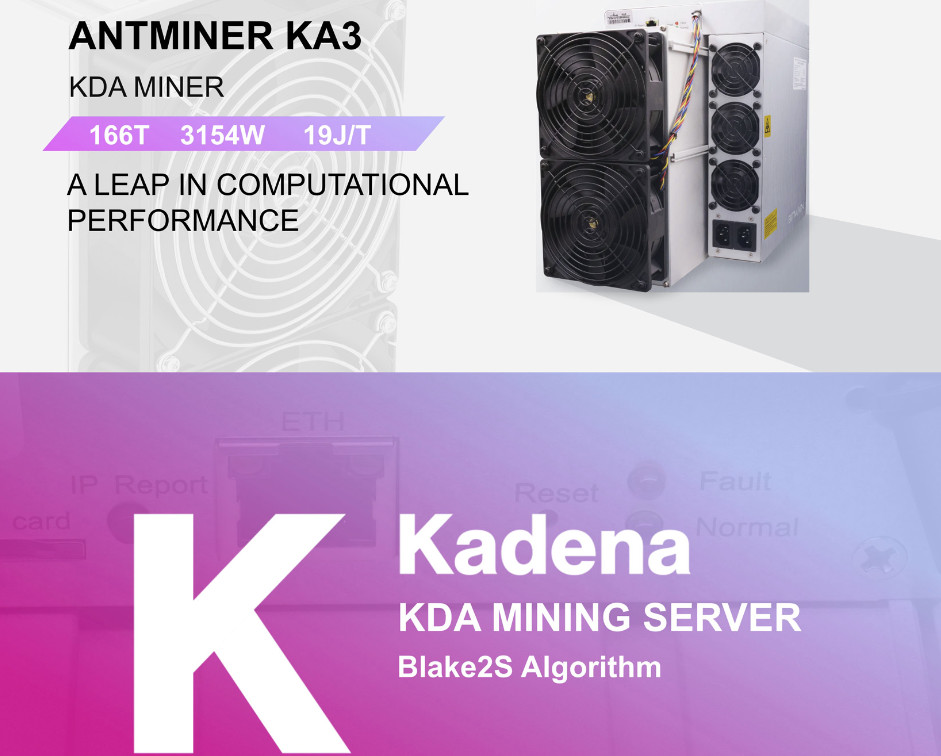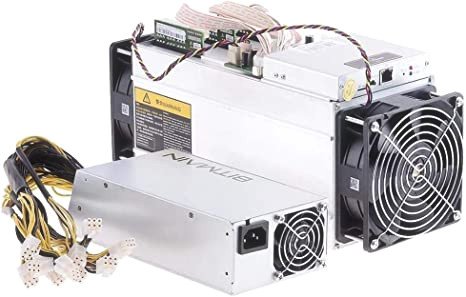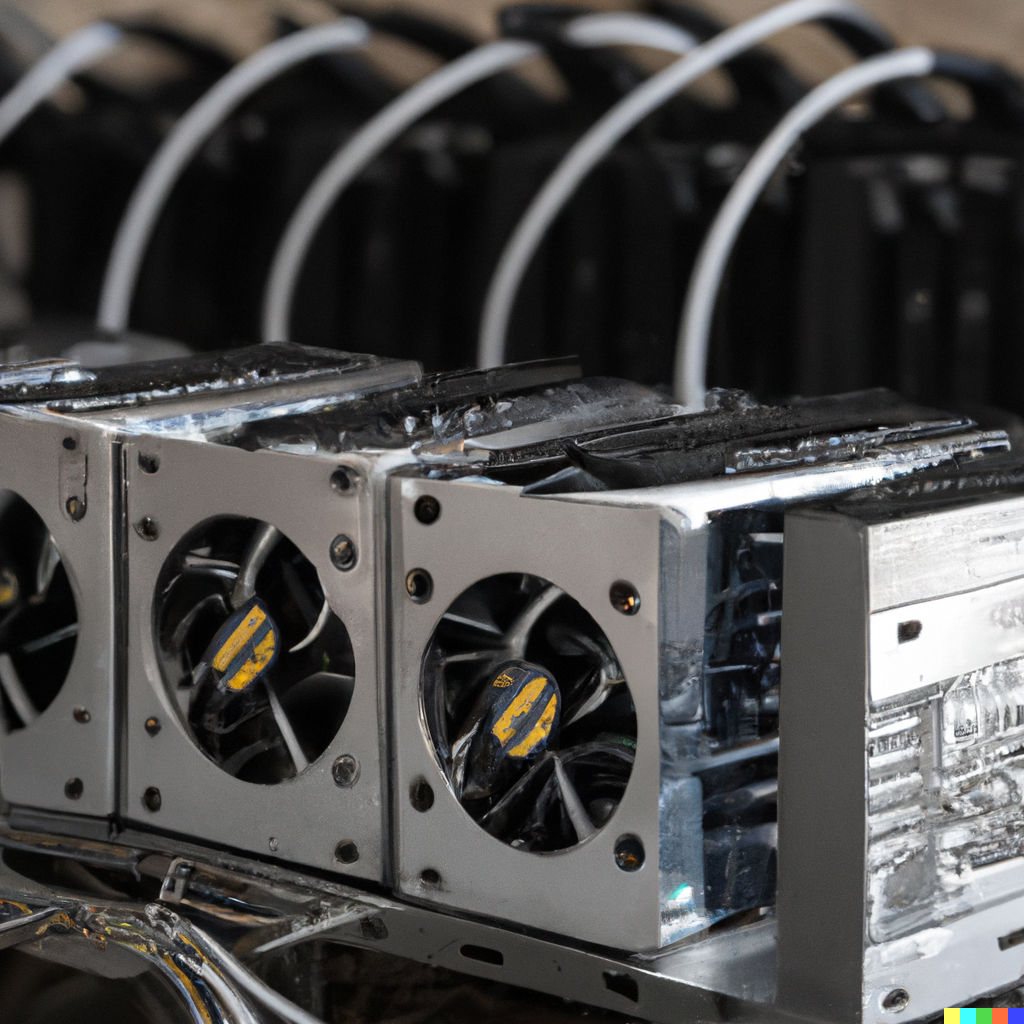

Bitcoin mining is a crucial process that underpins the entire cryptocurrency ecosystem. It involves solving complex mathematical problems to validate transactions and secure the network. As the demand for Bitcoin continues to grow, understanding the intricacies of mining becomes increasingly important.
What is Bitcoin Mining?
At its core, Bitcoin mining is the process by which new bitcoins are created and transactions are verified on the blockchain. Miners use powerful computers to compete in solving cryptographic puzzles, and the first one to solve the puzzle gets to add a new block to the blockchain. This process not only creates new bitcoins but also ensures the integrity and security of the network.
The Mining Process
- Transaction Verification: Miners collect and verify transactions from the Bitcoin network.
- Block Creation: Once verified, transactions are grouped into a block.
- Puzzle Solving: Miners compete to solve a cryptographic puzzle associated with the block.
- Reward: The first miner to solve the puzzle is rewarded with newly minted bitcoins and transaction fees.
As of now, approximately 20.09 million of the total 21 million bitcoins have been mined. This raises questions about what will happen when the last bitcoin is mined, expected around 2140. For a detailed exploration of this topic, you can read more at OneMiners.
Challenges in Bitcoin Mining
Despite its importance, Bitcoin mining faces several challenges:
- Energy Consumption: Bitcoin mining is energy-intensive, leading to concerns about its environmental impact. Miners often seek locations with cheaper electricity to maximize profits.
- Hardware Costs: The initial investment in mining hardware can be substantial, and the rapid pace of technological advancement means that equipment can quickly become obsolete.
- Market Volatility: The profitability of mining is closely tied to Bitcoin’s market price, which can fluctuate dramatically.
According to a recent article by CoinDesk, the liquidity of Bitcoin and Ether has improved post-crash, but altcoins still face significant risks. This volatility can impact miners’ decisions and profitability.

The Future of Bitcoin Mining
Looking ahead, the future of Bitcoin mining is likely to be shaped by several factors:
- Technological Advancements: Innovations in mining hardware and software will continue to evolve, potentially making mining more efficient.
- Regulatory Changes: Governments around the world are beginning to take a closer look at cryptocurrency regulations, which could impact mining operations.
- Environmental Considerations: As concerns about energy consumption grow, miners may need to adopt more sustainable practices.
For more insights into the evolving landscape of cryptocurrency, including tokenized commodities, check out this article from CoinDesk.
Additional reading: Bitcoin Life Insurer Meanwhile Raises $37.5M as Wealthy Families Look to Pass On Their BTC from Bitcoin Magazine.

Conclusion
Bitcoin mining is a complex and evolving field that plays a vital role in the cryptocurrency ecosystem. As miners navigate challenges and adapt to changes in technology and regulation, the future of Bitcoin mining will be crucial for the overall health of the cryptocurrency market.