

Bitcoin mining has become a crucial aspect of the cryptocurrency ecosystem, serving as the backbone for transaction verification and network security. As we approach the limit of 21 million bitcoins, understanding the future of Bitcoin mining is essential for investors and enthusiasts alike.
Understanding Bitcoin Mining
Bitcoin mining involves solving complex mathematical problems to validate transactions on the blockchain. Miners compete to add new blocks to the blockchain, and in return, they are rewarded with newly minted bitcoins. Currently, about 20.09 million of the total 21 million bitcoins have been mined, raising questions about what happens when the last coin is mined around 2140 (OneMiners).
The Halving Effect
The Bitcoin network undergoes a halving approximately every four years, reducing the reward for mining new blocks by half. This mechanism is designed to control inflation and ensure that the total supply of bitcoins remains capped at 21 million. As the reward decreases, mining becomes less profitable, which could lead to a decline in the number of miners participating in the network.
Challenges Facing Bitcoin Miners
As the mining landscape evolves, several challenges are emerging:
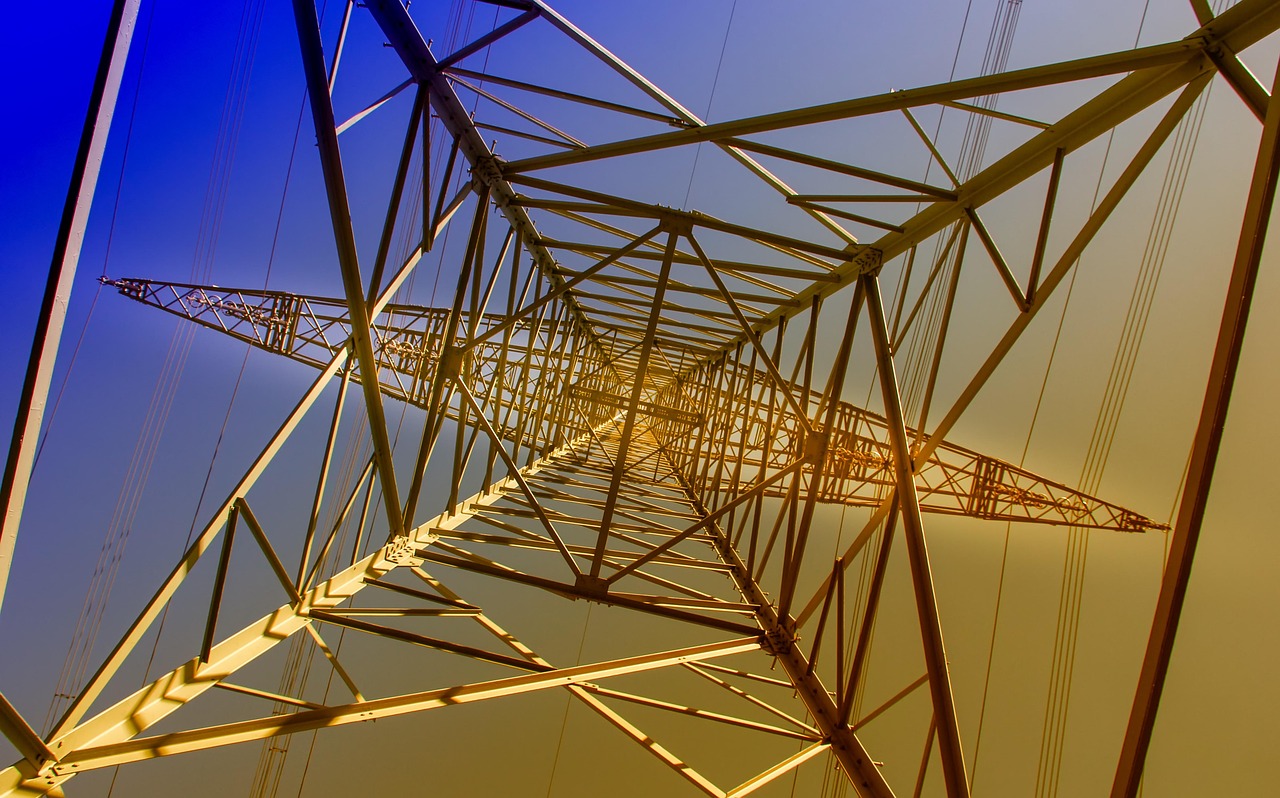
- Energy Consumption: Bitcoin mining is notorious for its high energy demands. Miners require significant computational power, leading to increased electricity consumption. This has raised environmental concerns and prompted discussions about sustainable mining practices.
- Regulatory Scrutiny: Governments worldwide are beginning to regulate cryptocurrency mining. For instance, the U.S. Treasury has threatened to freeze significant amounts of crypto assets, which could impact miners’ operations (Bitcoin Magazine).
- Market Volatility: The cryptocurrency market is highly volatile, affecting miners’ profitability. Recent reports indicate that while Bitcoin and ether liquidity have rebuilt, altcoins still face risks (CoinDesk).
The Future of Bitcoin Mining
Looking ahead, several trends may shape the future of Bitcoin mining:
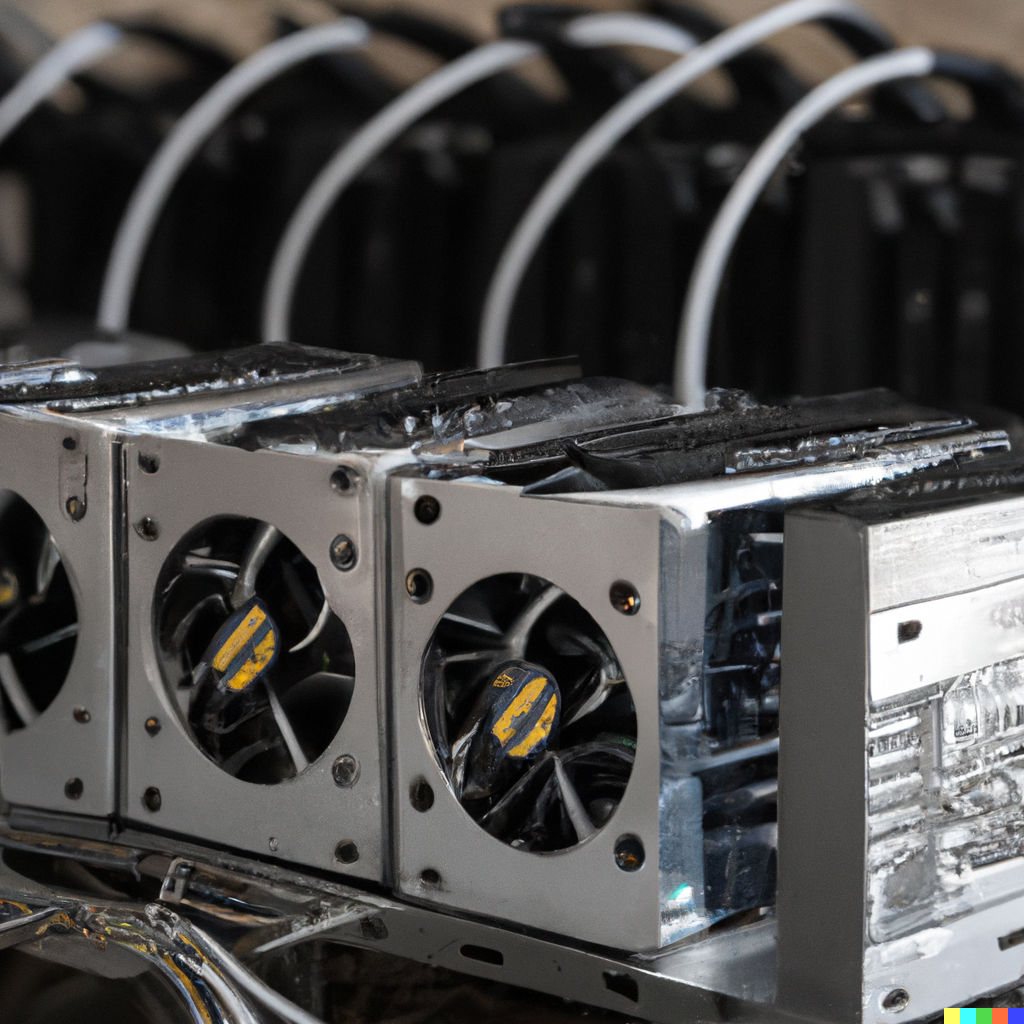
- Increased Efficiency: Miners are continually seeking ways to improve efficiency, including utilizing renewable energy sources and advanced cooling systems to reduce operational costs.
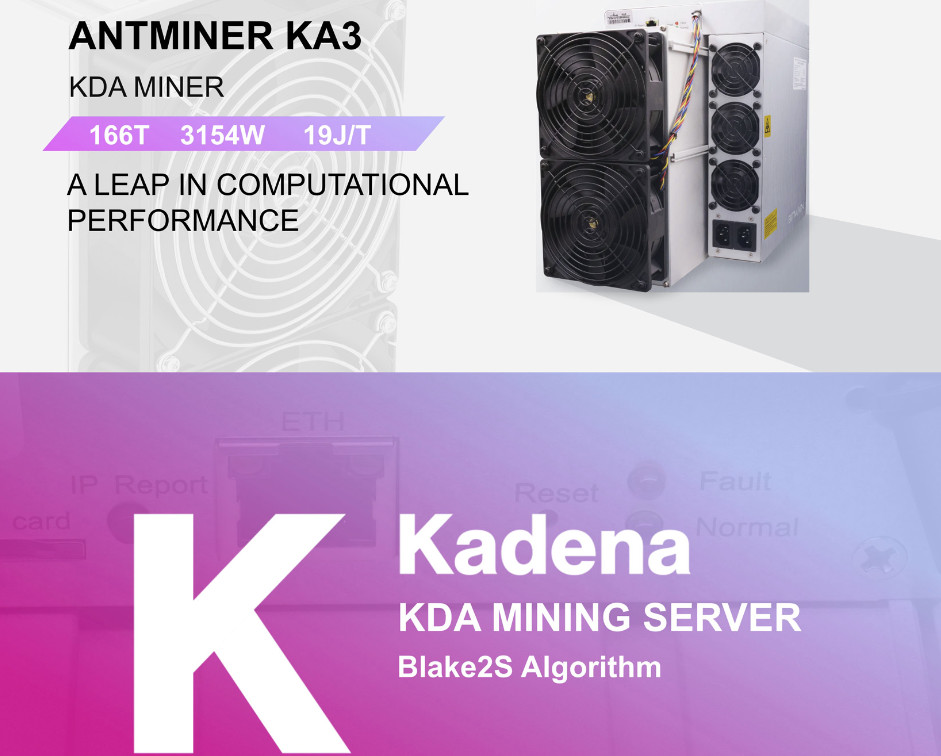
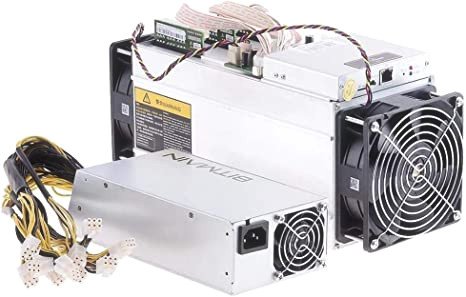
- Technological Advancements: Innovations in mining hardware, such as ASIC miners, are expected to enhance processing power while minimizing energy consumption.
- Market Adaptation: As the market matures, miners may diversify their operations to include other cryptocurrencies or tokenized assets, potentially opening new revenue streams (CoinDesk).
Conclusion
The future of Bitcoin mining is filled with both challenges and opportunities. As we approach the cap of 21 million bitcoins, miners will need to adapt to changing market conditions, regulatory environments, and technological advancements. Staying informed and agile will be key to thriving in this dynamic landscape.