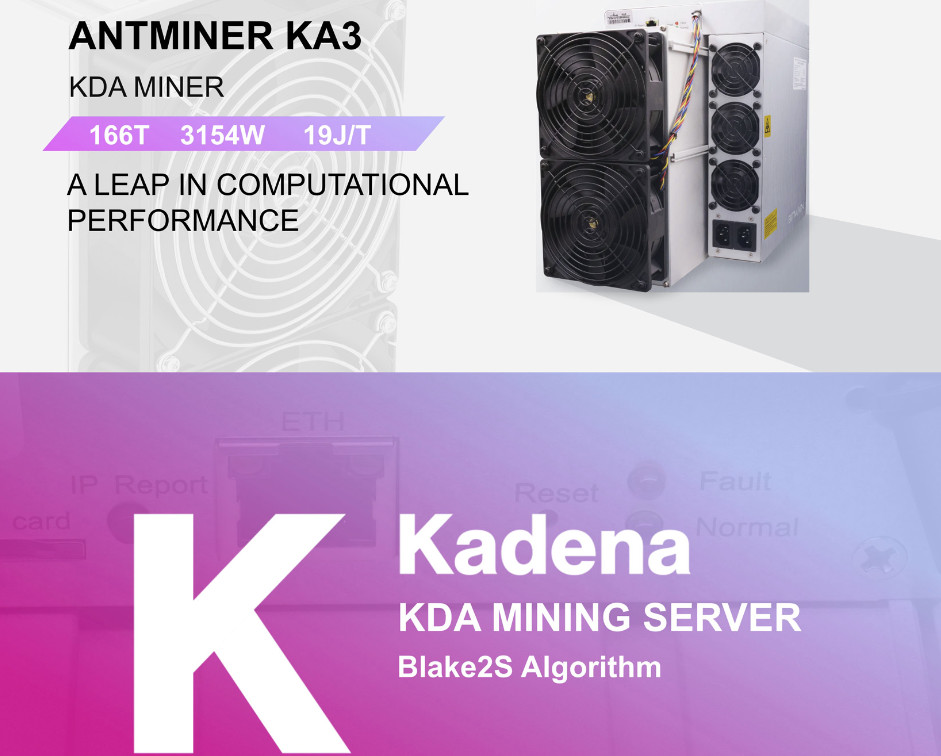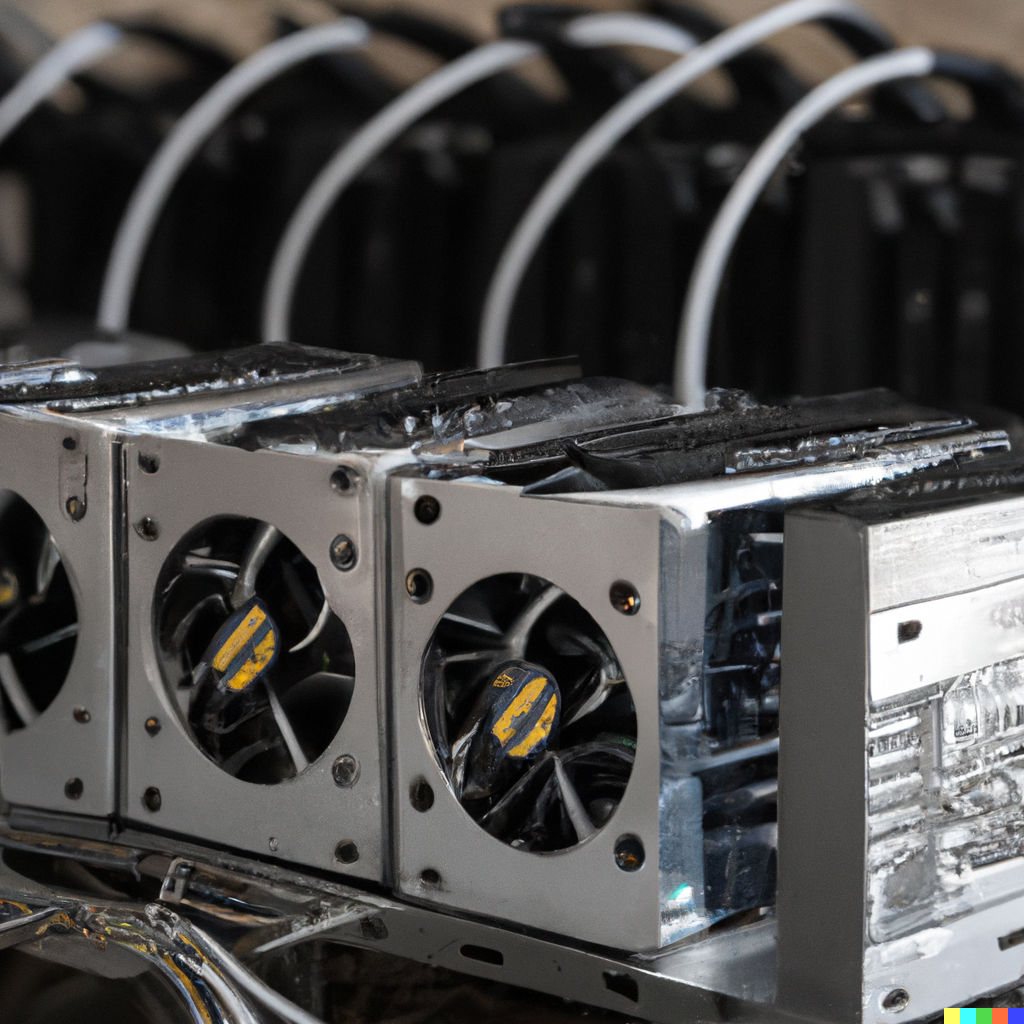


Bitcoin mining is a crucial process that underpins the entire cryptocurrency ecosystem. It involves solving complex mathematical problems to validate transactions on the Bitcoin network, ensuring security and integrity. This article delves into the mechanics of Bitcoin mining, its significance, and the challenges faced by miners today.
What is Bitcoin Mining?
At its core, Bitcoin mining is the process of adding transaction records to Bitcoin’s public ledger, known as the blockchain. Miners use powerful computers to solve cryptographic puzzles, and in return, they are rewarded with newly minted bitcoins and transaction fees. This process not only secures the network but also introduces new bitcoins into circulation.
The Proof of Work Mechanism
Bitcoin employs a proof of work mechanism, which requires miners to expend computational power to solve these puzzles. This system prevents double-spending and ensures that the history of transactions remains immutable. According to a detailed explanation by OneMiners, the cost of a 51% attack—where a single entity gains control over the majority of the network—would be prohibitively high, making such attacks unlikely.

The Role of Miners in the Bitcoin Ecosystem
Miners play a vital role in maintaining the decentralized nature of Bitcoin. By validating transactions and securing the network, they help to build trust among users. The competition among miners also contributes to the stability of the Bitcoin network, as it incentivizes them to invest in more efficient hardware and energy sources.
Challenges Faced by Bitcoin Miners
Despite its importance, Bitcoin mining is not without challenges. The increasing difficulty of mining puzzles, coupled with rising energy costs, has made it a less attractive venture for many. Additionally, regulatory scrutiny is intensifying, as seen in recent discussions about energy consumption and environmental impact. For instance, CoinDesk reported on geopolitical factors affecting energy prices, which could further complicate mining operations.
The Future of Bitcoin Mining
As the Bitcoin network evolves, so too will the strategies employed by miners. Innovations in technology, such as more efficient ASIC miners and renewable energy sources, are likely to shape the future landscape of mining. Furthermore, the demand for Bitcoin continues to grow, which may lead to increased investment in mining infrastructure.
In conclusion, Bitcoin mining is a foundational element of the cryptocurrency ecosystem, ensuring the security and integrity of transactions. While challenges persist, the ongoing evolution of technology and market dynamics will continue to influence the mining landscape. For a deeper understanding of the complexities involved, consider exploring resources like Bitcoin Magazine and Decrypt.