

Bitcoin mining is a crucial component of the cryptocurrency ecosystem, enabling transactions and securing the network. As we delve into 2026, understanding the latest trends and technologies in Bitcoin mining becomes essential for both enthusiasts and investors.
What is Bitcoin Mining?
Bitcoin mining involves the process of validating transactions on the Bitcoin network and adding them to the blockchain. Miners use powerful computers to solve complex mathematical problems, which helps maintain the integrity of the network. In return for their efforts, miners are rewarded with newly minted bitcoins and transaction fees.
The Technology Behind Bitcoin Mining
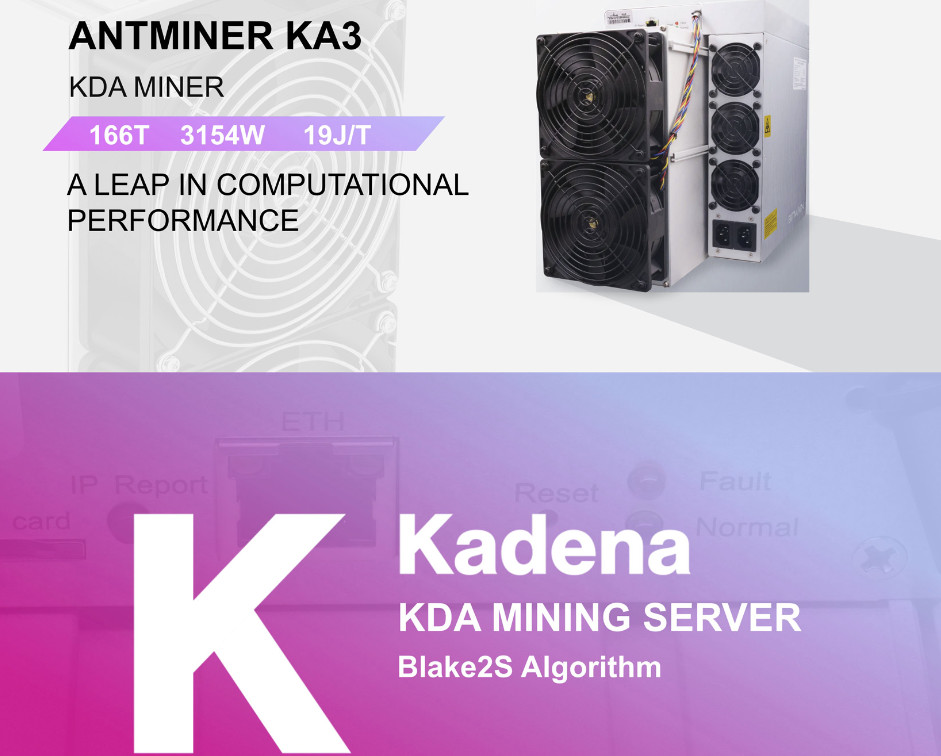
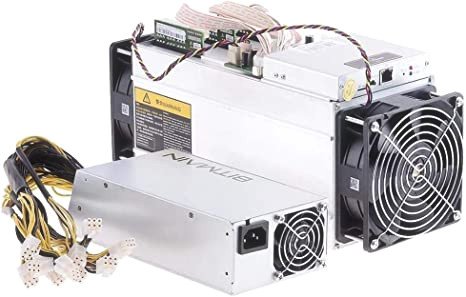
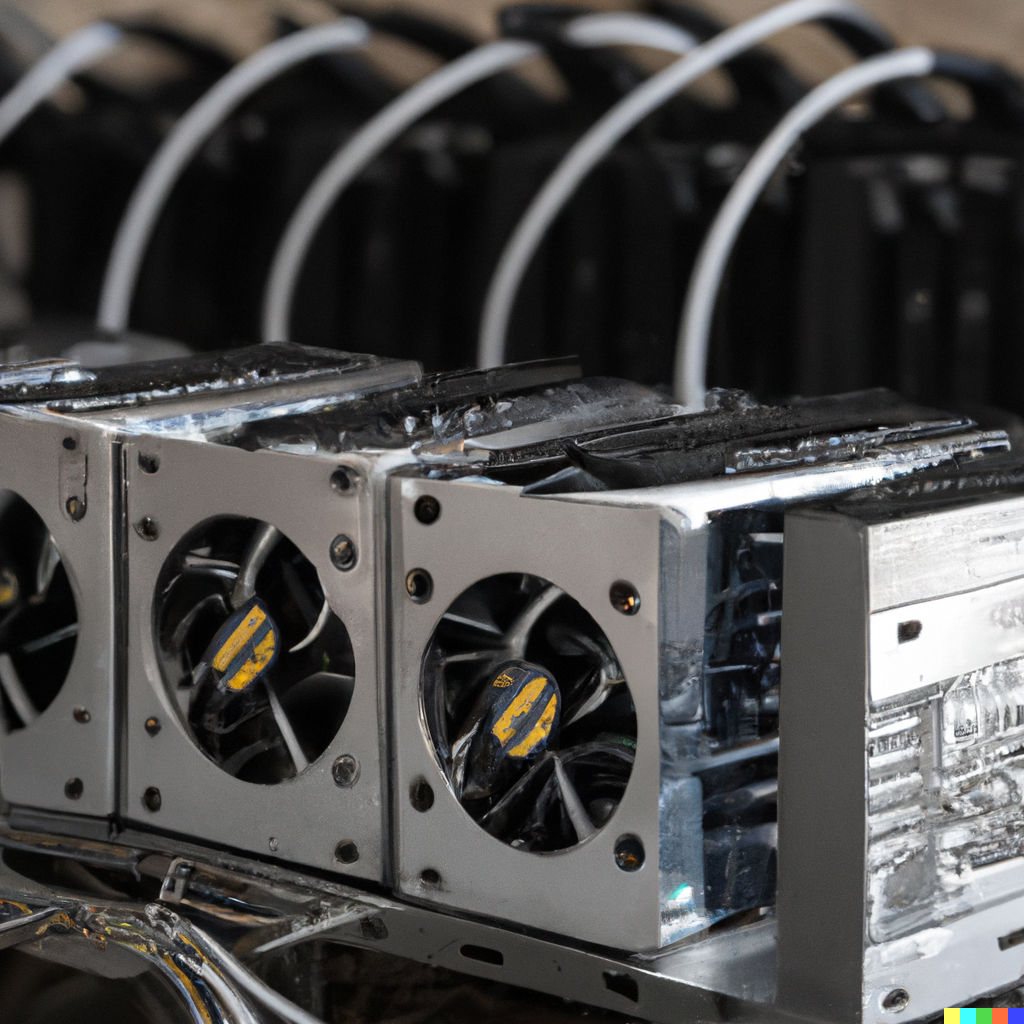
Modern Bitcoin mining relies on specialized hardware known as ASICs (Application-Specific Integrated Circuits). These devices are designed specifically for mining and offer significantly higher efficiency compared to traditional GPUs. As the competition in mining intensifies, staying updated with the latest ASIC models is crucial for profitability.
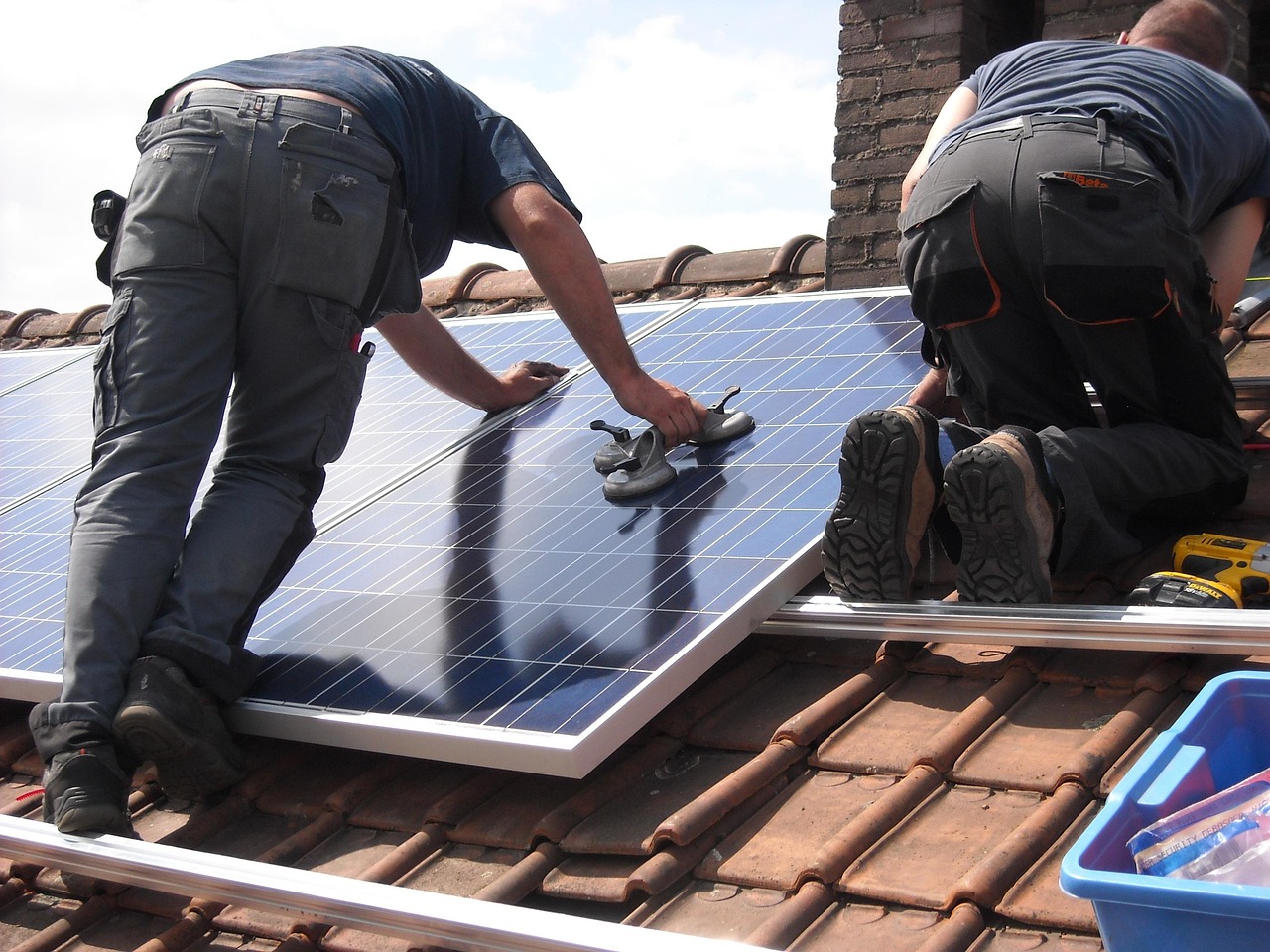
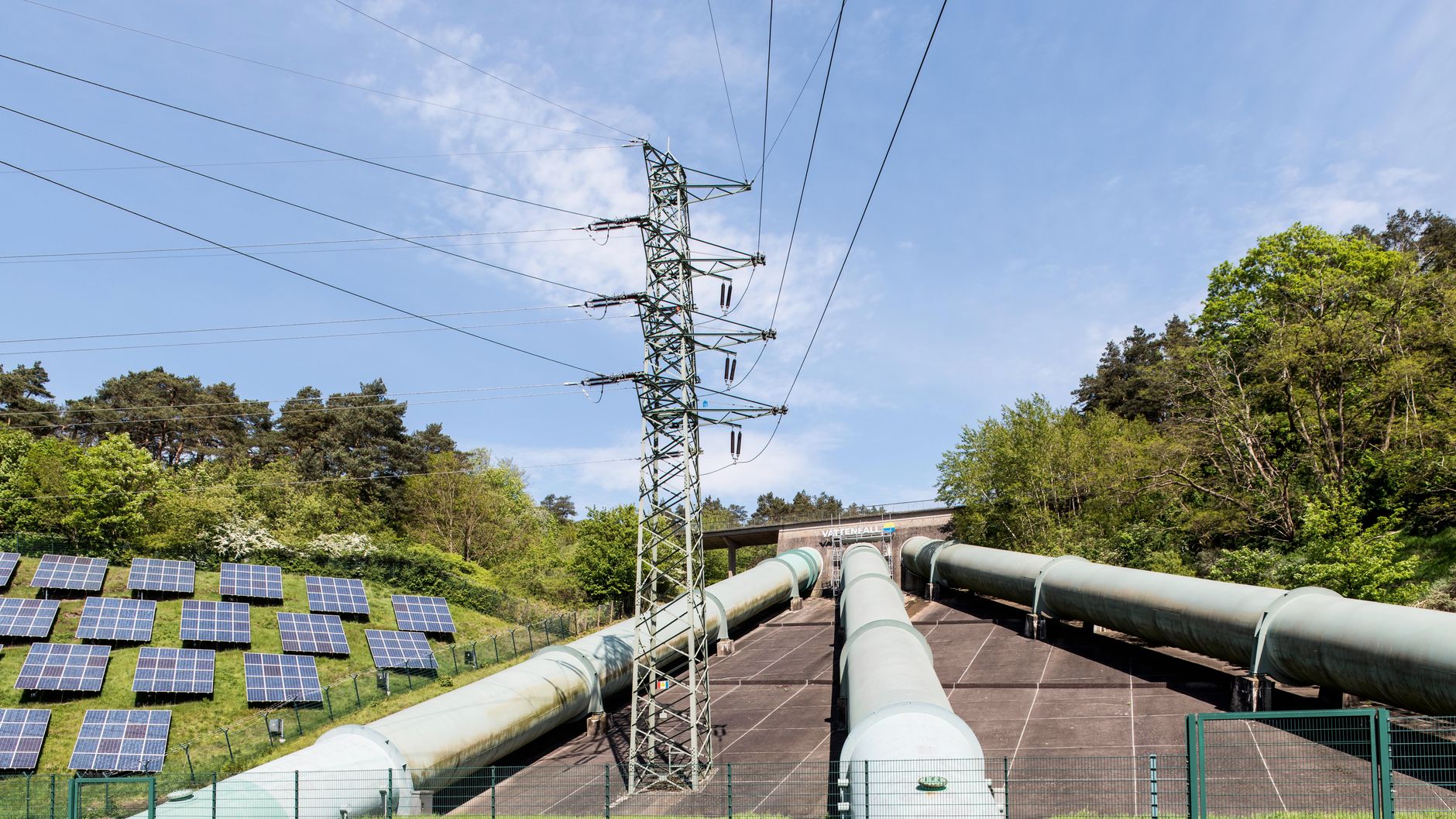
In recent years, advancements in cooling systems and energy efficiency have also become pivotal. Miners are increasingly investing in technologies that reduce operational costs, such as renewable energy sources. This shift not only lowers expenses but also addresses environmental concerns associated with Bitcoin mining.
The Impact of Market Trends on Mining
The profitability of Bitcoin mining is closely tied to the market price of Bitcoin. As reported by CoinDesk, Bitcoin recently experienced fluctuations, dropping from near $84,000. Such volatility can significantly impact miners’ revenues and operational strategies.
Moreover, regulatory developments can also influence mining operations. For instance, a proposed tax on regulated stablecoins in France could drive traders towards unmonitored offshore channels, as highlighted by CoinDesk. This could indirectly affect Bitcoin mining by altering market dynamics.
Future of Bitcoin Mining
Looking ahead, the integration of quantum computing poses both challenges and opportunities for Bitcoin mining. Researchers are actively developing defenses against potential quantum attacks, as discussed in an article by Bitcoin Magazine. These advancements could reshape the landscape of Bitcoin mining and enhance security protocols.
Additionally, the ongoing evolution of mining pools and cloud mining services is making it easier for individuals to participate in Bitcoin mining without significant upfront investment. This democratization of mining could lead to increased participation and innovation in the space.
Conclusion
Bitcoin mining remains a dynamic and evolving field, influenced by technological advancements, market trends, and regulatory changes. Staying informed about these factors is essential for anyone involved in the cryptocurrency space. For further insights, check out the OneMiners article on the latest mining hardware giveaways and promotions.