

Bitcoin mining has become a hot topic in the cryptocurrency world, especially with the rise of various mining technologies. Many enthusiasts wonder if it’s feasible to mine Bitcoin using everyday devices like phones and laptops. This article delves into the realities of Bitcoin mining on these devices, exploring the potential earnings, challenges, and the overall effectiveness of such methods.
Understanding Bitcoin Mining
Bitcoin mining is the process of validating transactions on the Bitcoin network and adding them to the blockchain. Miners use powerful computers to solve complex mathematical problems, and in return, they are rewarded with Bitcoin. However, the efficiency of mining largely depends on the hardware used.
Can You Mine Bitcoin on a Phone or Laptop?
According to a recent article from OneMiners, it is technically possible to mine Bitcoin on a phone or laptop. However, the returns are minimal and often not worth the effort. The article highlights that while mining software can run on these devices, the computational power is significantly lower compared to dedicated mining rigs.
Mining Bitcoin on a phone or laptop may yield some Bitcoin, but the energy consumption and wear on the device can outweigh the benefits. Additionally, the mining difficulty has increased over the years, making it even harder for less powerful devices to compete.

Challenges of Mobile and Laptop Mining
There are several challenges associated with mining Bitcoin on mobile devices:
- Low Hash Rate: Phones and laptops have a much lower hash rate compared to ASIC miners, meaning they solve problems slower.
- High Energy Costs: The energy consumed during mining can lead to higher electricity bills, which may not be offset by the Bitcoin earned.
- Device Longevity: Continuous mining can lead to overheating and damage to the device, reducing its lifespan.
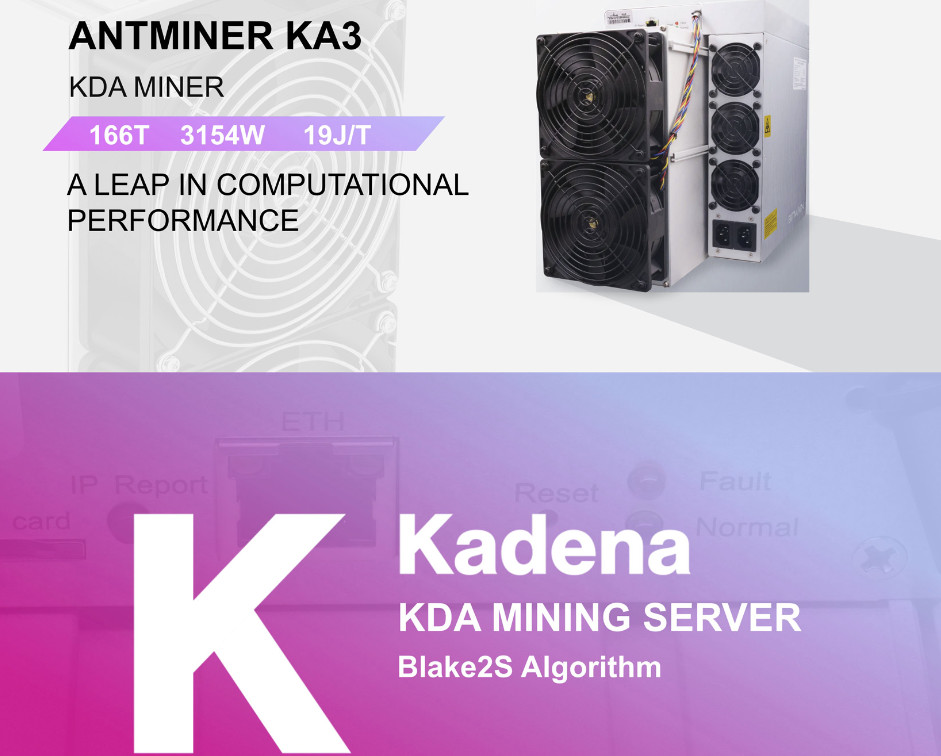
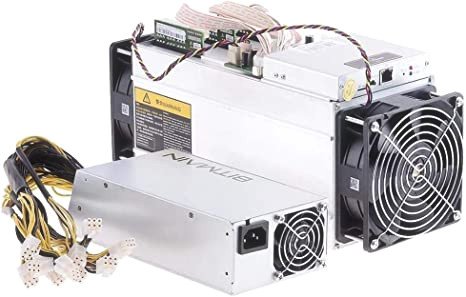
For those interested in mining, investing in dedicated hardware is generally recommended. ASIC miners are specifically designed for Bitcoin mining and offer significantly higher efficiency.
Alternative Mining Options
If you’re still interested in mining but lack the resources for dedicated hardware, consider cloud mining. This method allows you to rent mining power from a remote data center. While it requires an upfront investment, it can be a more accessible option for beginners.
Additionally, joining a mining pool can increase your chances of earning Bitcoin. By pooling resources with other miners, you can share the rewards based on your contribution to the pool.
Conclusion
While it is possible to mine Bitcoin on a phone or laptop, the practicality and profitability of such methods are questionable. For serious miners, investing in dedicated hardware or exploring cloud mining options may yield better results. Always consider the costs and potential returns before diving into the world of Bitcoin mining.
For more detailed insights into Bitcoin mining, check out this CoinDesk article discussing market trends and mining profitability.
Additional reading: Researchers Build First Working Post-Quantum Defense for Bitcoin’s Lightning Network from Bitcoin Magazine.