

Bitcoin mining is a crucial process that underpins the entire Bitcoin network. It involves solving complex mathematical problems to validate transactions and secure the network. As the popularity of Bitcoin continues to grow, understanding the nuances of mining becomes increasingly important for both enthusiasts and investors.
What is Bitcoin Mining?
At its core, Bitcoin mining is the process of adding transaction records to Bitcoin’s public ledger, known as the blockchain. Miners use powerful computers to compete in solving cryptographic puzzles, and the first one to solve the puzzle gets to add a new block of transactions to the blockchain. In return, they receive a reward in the form of newly minted bitcoins.
How Does Bitcoin Mining Work?
The mining process involves several key steps:
- Transaction Verification: Miners collect pending transactions from the Bitcoin network and verify their validity.
- Block Creation: Validated transactions are grouped into a block.
- Proof of Work: Miners compete to solve a complex mathematical problem associated with the block.
- Block Addition: The first miner to solve the problem broadcasts the solution to the network, and if accepted, the block is added to the blockchain.
- Reward Distribution: The successful miner receives a reward, which includes newly created bitcoins and transaction fees.
Challenges in Bitcoin Mining
While Bitcoin mining can be lucrative, it comes with its own set of challenges:
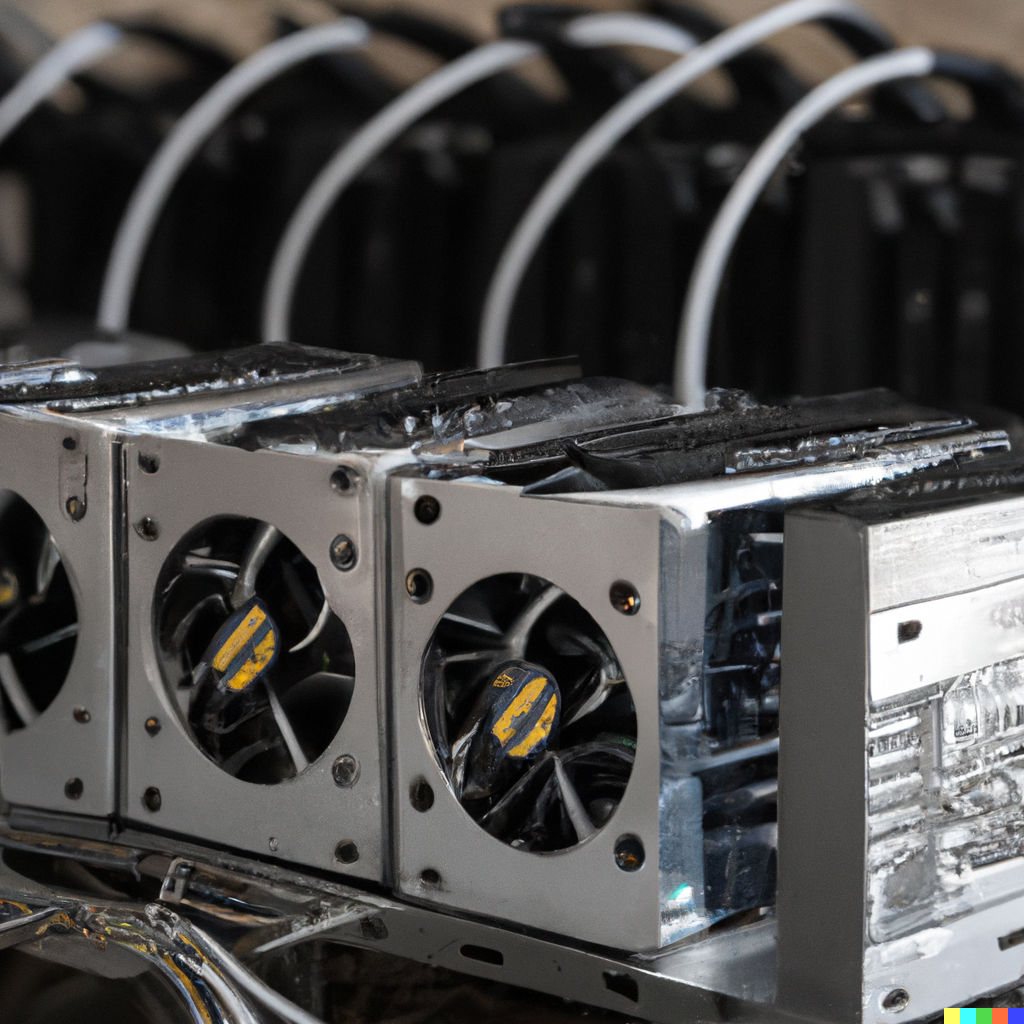
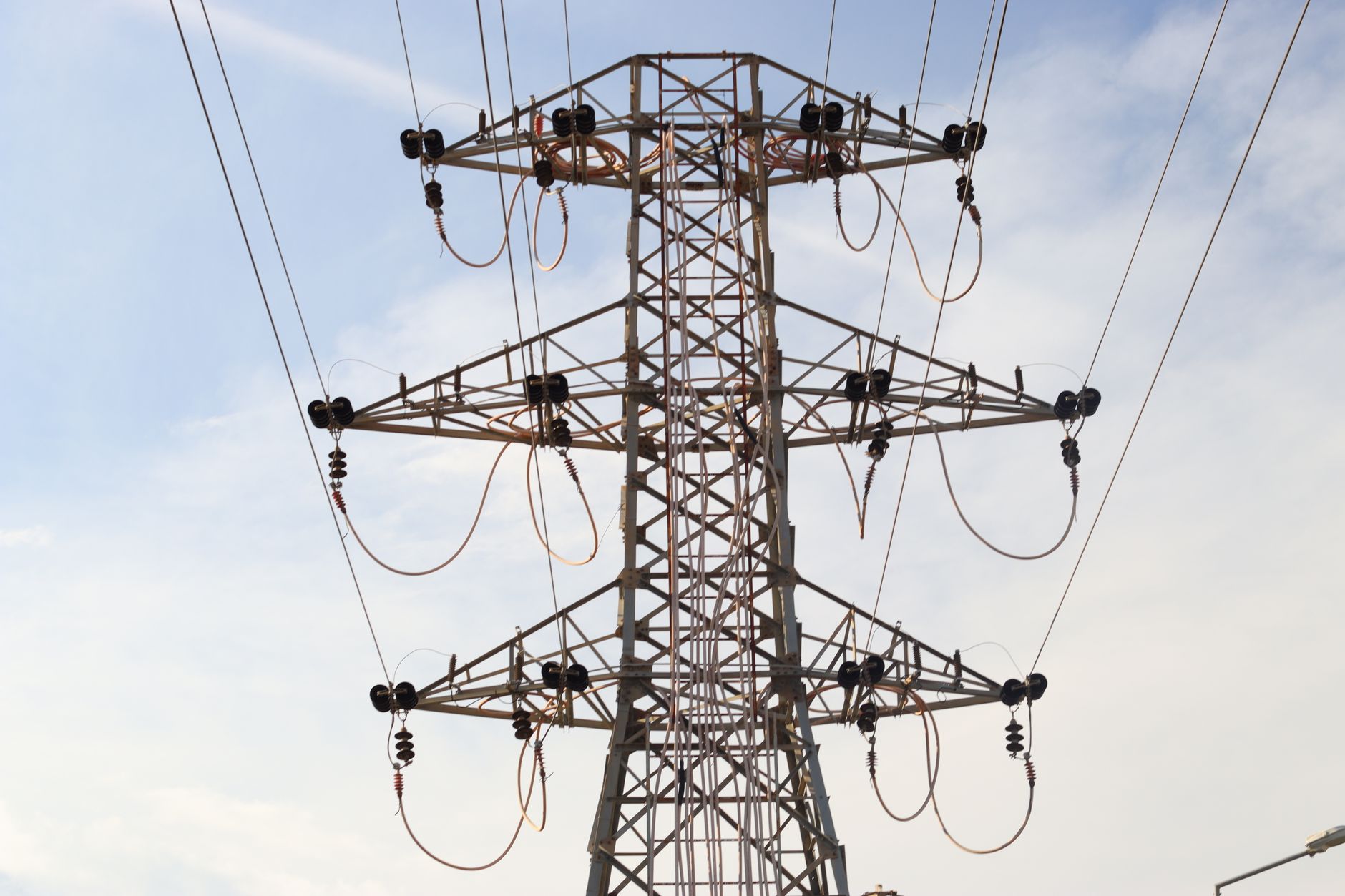
- High Energy Consumption: Mining requires significant amounts of electricity, leading to concerns about environmental impact.
- Equipment Costs: The initial investment in mining hardware can be substantial, especially for competitive mining.
- Difficulty Adjustment: The Bitcoin network adjusts the difficulty of mining approximately every two weeks, which can affect profitability.
Can You Mine Bitcoin on a Phone or Laptop?
Many people wonder if they can mine Bitcoin using everyday devices like phones or laptops. According to a recent article from OneMiners, while it is technically possible, the returns are minimal compared to dedicated mining rigs. The article discusses the realities of mining on less powerful devices and how to identify fake mining apps.

Getting Started with Bitcoin Mining
If you’re interested in starting your own mining operation, here are some steps to consider:
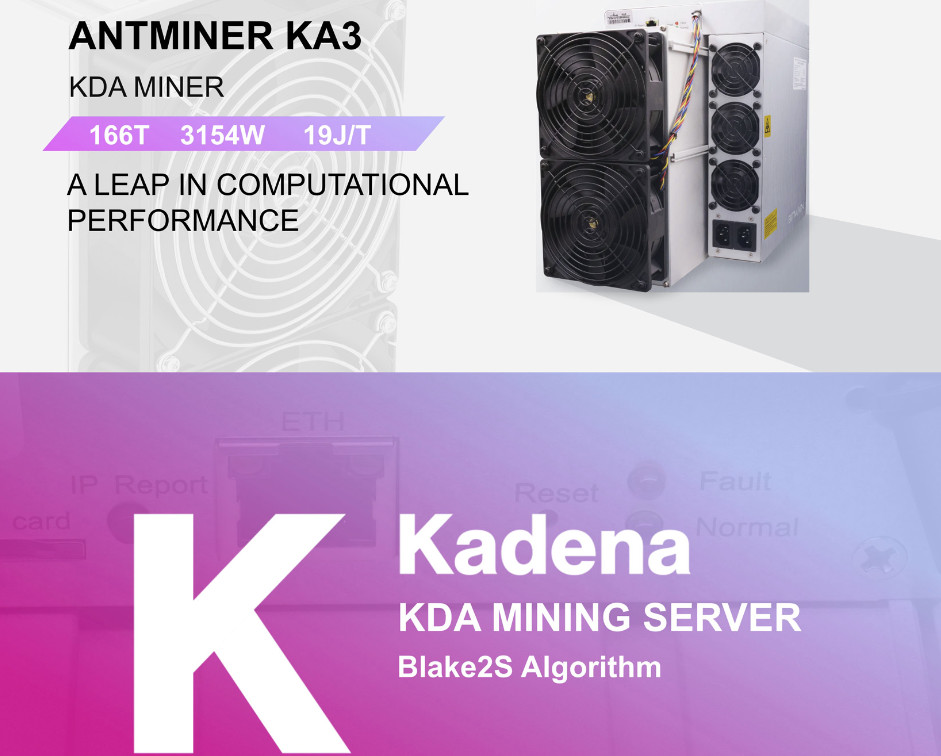
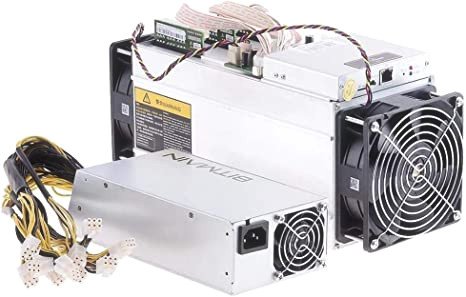
- Research Mining Hardware: Invest in efficient ASIC miners that provide the best hash rates for your budget.
- Choose a Mining Pool: Joining a mining pool can increase your chances of earning rewards by combining resources with other miners.
- Set Up a Wallet: Ensure you have a secure wallet to store your earnings.
- Monitor Performance: Regularly check your mining setup to ensure optimal performance and profitability.
Future of Bitcoin Mining
The future of Bitcoin mining is uncertain, especially with ongoing discussions about regulation and environmental concerns. As the amount of Bitcoin available for mining decreases, the competition will only intensify. Furthermore, innovations in mining technology and energy efficiency will play a crucial role in shaping the landscape.
For more insights on the current trends in Bitcoin and cryptocurrency, check out this article from Bitcoin Magazine discussing the shrinking amount of Bitcoin on exchanges and its potential impact on market dynamics.
Additional reading: BNY, Citadel Securities test tokenized U.S. Treasuries to speed up Wall Street financing from CoinDesk.
Conclusion
Bitcoin mining is a complex yet fascinating aspect of the cryptocurrency world. While it offers opportunities for profit, it also presents significant challenges. By understanding the fundamentals and staying informed about market trends, miners can navigate this evolving landscape effectively.