

Bitcoin mining is a crucial process that underpins the entire Bitcoin network. It involves validating transactions and adding them to the blockchain, a decentralized ledger that records all Bitcoin transactions. This guide will delve into the intricacies of Bitcoin mining, its profitability, and the technology that drives it.
What is Bitcoin Mining?
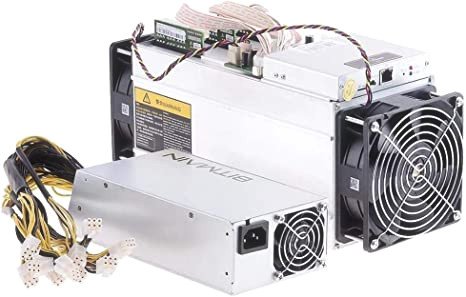
At its core, Bitcoin mining is the process of solving complex mathematical problems to validate transactions on the Bitcoin network. Miners use powerful computers, known as ASIC (Application-Specific Integrated Circuit) miners, to perform these calculations. When a miner successfully solves a problem, they add a new block to the blockchain and are rewarded with newly minted bitcoins.
How Does Bitcoin Mining Work?
The mining process begins when a transaction is initiated. This transaction is then broadcasted to the network, where miners compete to validate it. The first miner to solve the mathematical puzzle associated with the block containing the transaction gets to add it to the blockchain. This process is known as proof of work.
As more miners join the network, the difficulty of the puzzles increases, ensuring that blocks are added at a consistent rate. Currently, a new block is added approximately every ten minutes.
Is Bitcoin Mining Profitable?
Profitability in Bitcoin mining depends on several factors, including the cost of electricity, the price of Bitcoin, and the efficiency of the mining hardware. Miners must consider their operational costs, including electricity and hardware maintenance, to determine if mining is a viable investment.
For those considering mining on personal devices like phones or laptops, it’s important to note that while it is technically possible, the returns are minimal. As discussed in a recent article by OneMiners, mining on less powerful devices often results in negligible earnings due to the high competition and energy costs involved.
Choosing the Right Mining Hardware
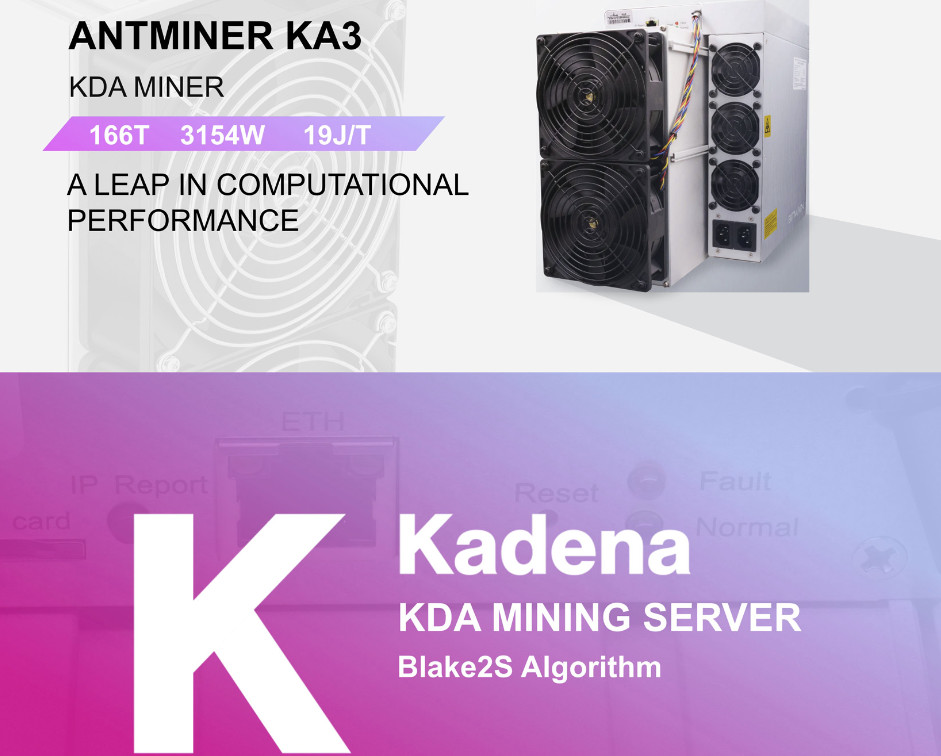
When selecting mining hardware, ASIC miners are the most efficient option available. These devices are specifically designed for mining Bitcoin and outperform general-purpose hardware significantly. Popular models include the Antminer S19 and the Whatsminer M30S, which offer high hash rates and energy efficiency.

The Environmental Impact of Bitcoin Mining
Bitcoin mining has faced criticism for its environmental impact, primarily due to the substantial energy consumption associated with the process. Many miners are now seeking renewable energy sources to mitigate their carbon footprint. Some mining operations are even located near hydroelectric plants to take advantage of cheaper, cleaner energy.
As the industry evolves, there is a growing emphasis on sustainability. Initiatives to promote green mining practices are becoming more common, as seen in various reports from Bitcoin Magazine.
Future of Bitcoin Mining
The future of Bitcoin mining is likely to be shaped by advancements in technology and changes in regulatory environments. As the Bitcoin network grows, so too will the complexity of mining. Innovations in hardware and software will continue to emerge, potentially making mining more accessible and efficient.
Moreover, the integration of artificial intelligence into mining operations could optimize performance and reduce costs. As discussed in a recent article by CoinDesk, the convergence of AI and Bitcoin could lead to new trading strategies and operational efficiencies.

Conclusion
Bitcoin mining remains a vital component of the cryptocurrency ecosystem. While it presents opportunities for profit, it also comes with challenges, including environmental concerns and high operational costs. As technology advances and the market evolves, staying informed about the latest trends and practices in Bitcoin mining will be essential for anyone looking to participate in this dynamic field.