
Bitcoin mining has evolved significantly since its inception, becoming a cornerstone of the cryptocurrency ecosystem. As the demand for Bitcoin increases, so does the need for efficient mining technologies. This article explores the current state of Bitcoin mining, its future trends, and the technologies that are shaping its landscape.
What is Bitcoin Mining?
Bitcoin mining is the process of validating transactions on the Bitcoin network and adding them to the blockchain. Miners use powerful computers to solve complex mathematical problems, and in return, they are rewarded with newly created bitcoins. This process not only secures the network but also regulates the issuance of new coins.
The Importance of Mining Hardware
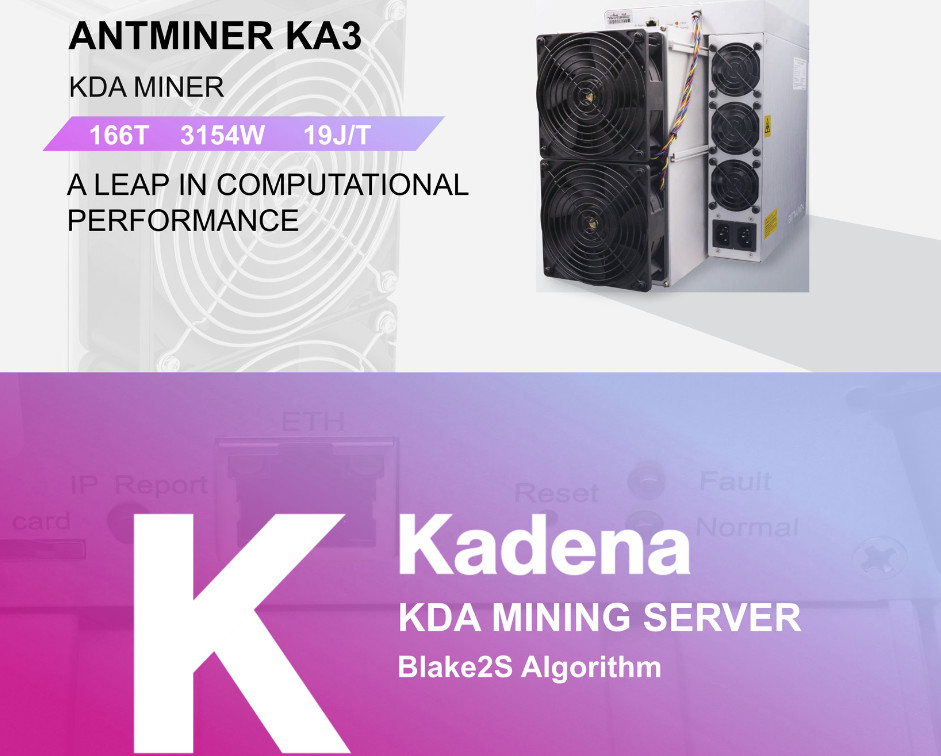
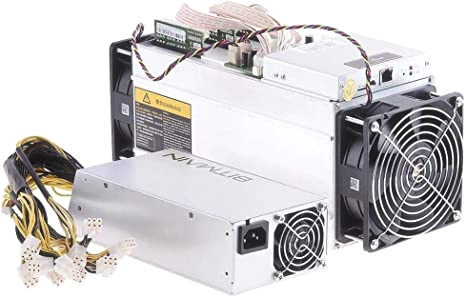
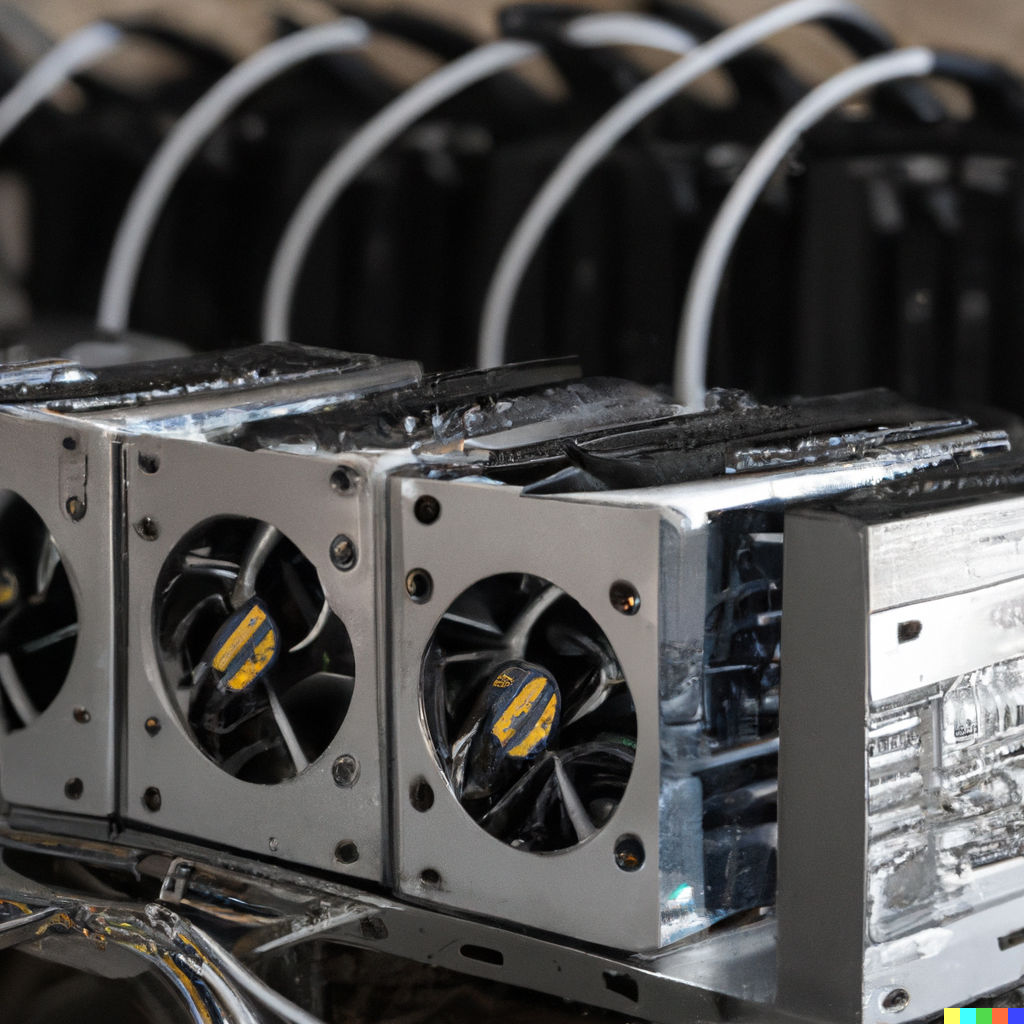
The efficiency of Bitcoin mining largely depends on the hardware used. Over the years, miners have transitioned from using CPUs to GPUs, and now to specialized hardware known as ASICs (Application-Specific Integrated Circuits). These devices are designed specifically for mining, offering superior performance and energy efficiency.
According to a recent comparison of hydro-cooled Bitcoin miners, models like the S23 Hyd and Sealminer A4 Ultra are leading the charge in efficiency and cost-effectiveness for 2026. This analysis highlights how advancements in cooling technology can significantly enhance mining operations (OneMiners).

Energy Consumption and Sustainability
One of the most pressing issues surrounding Bitcoin mining is its energy consumption. Critics argue that the environmental impact of mining is unsustainable, leading to increased scrutiny from regulators and the public. However, many miners are now exploring renewable energy sources to mitigate their carbon footprint.
For instance, some mining operations are utilizing hydroelectric power, which can significantly reduce energy costs and environmental impact. As the industry evolves, the integration of sustainable practices will be crucial for its long-term viability.
Market Trends and Future Outlook
The Bitcoin market is influenced by various factors, including regulatory changes, technological advancements, and macroeconomic trends. Recently, Bitcoin and other cryptocurrencies have seen a rally, driven by positive economic indicators such as stronger-than-expected GDP growth in China (CoinDesk).
Moreover, the introduction of Bitcoin ETFs has also impacted market dynamics. However, recent reports indicate that Bitcoin ETFs have shed nearly $1 billion in value over a two-week period, raising questions about their stability and investor confidence (Decrypt).

Conclusion
Bitcoin mining is at a pivotal point, balancing the need for efficiency with the demand for sustainability. As technologies continue to advance and the market evolves, miners must adapt to remain competitive. The future of Bitcoin mining will likely see a greater emphasis on renewable energy and innovative mining solutions, ensuring its place in the cryptocurrency landscape.