

Bitcoin mining is a crucial process that underpins the entire Bitcoin network. It involves validating transactions and adding them to the blockchain, ensuring the security and integrity of the cryptocurrency. In this article, we will explore the intricacies of Bitcoin mining, its processes, and its impact on the cryptocurrency market.
What is Bitcoin Mining?
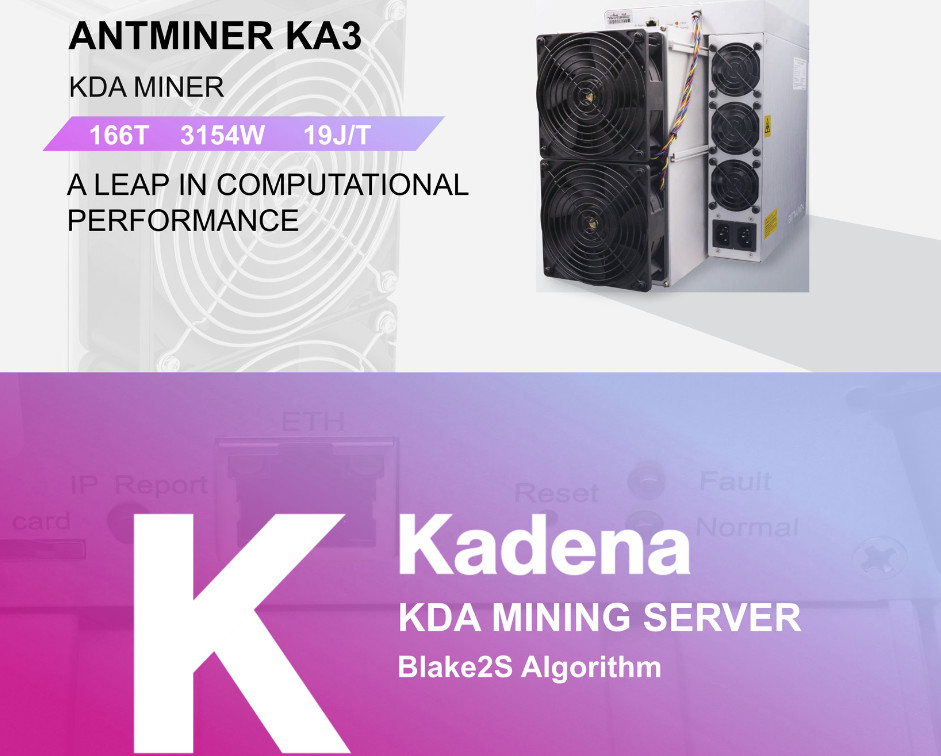
At its core, Bitcoin mining is the process of solving complex mathematical problems to validate transactions on the Bitcoin network. Miners use powerful computers, known as ASICs (Application-Specific Integrated Circuits), to perform these calculations. Each time a miner successfully solves a problem, they are rewarded with newly created bitcoins and transaction fees from the transactions included in the block they mined.
The Mining Process
The mining process can be broken down into several key steps:
- Transaction Verification: Miners collect and verify transactions from the Bitcoin network.
- Block Creation: Verified transactions are grouped into a block.
- Proof of Work: Miners compete to solve a cryptographic puzzle, known as the proof of work, to add the block to the blockchain.
- Block Addition: Once a miner solves the puzzle, the new block is added to the blockchain, and the miner receives a reward.
For a deeper understanding of Bitcoin’s smallest unit, the satoshi, check out this informative article from OneMiners.

The Importance of Mining in the Bitcoin Ecosystem
Bitcoin mining serves several essential functions:
- Security: Mining secures the network by making it difficult for malicious actors to alter transaction history.
- Decentralization: Mining is distributed across the globe, preventing any single entity from controlling the network.
- New Bitcoin Creation: Mining is the only way to create new bitcoins, which introduces a controlled supply into the market.
As Bitcoin continues to gain traction, the role of mining becomes increasingly significant. Recent developments, such as the Liquid Network’s recovery from a massive hack, highlight the importance of robust mining operations in maintaining network integrity.
Challenges Faced by Miners
Despite its importance, Bitcoin mining is not without challenges:
- High Energy Consumption: Mining requires substantial energy, leading to environmental concerns.
- Hardware Costs: The initial investment in mining equipment can be significant.
- Market Volatility: Fluctuations in Bitcoin prices can impact mining profitability.
As the market evolves, miners must adapt to these challenges. For instance, a recent report from J.P. Morgan suggests that Bitcoin could yield a 10% annual return, which may influence mining strategies moving forward.

Conclusion
Bitcoin mining is a vital component of the cryptocurrency ecosystem, providing security, decentralization, and new bitcoin creation. As the industry faces challenges such as energy consumption and market volatility, miners will need to innovate and adapt. Understanding the mining process and its implications can help stakeholders navigate the evolving landscape of Bitcoin.