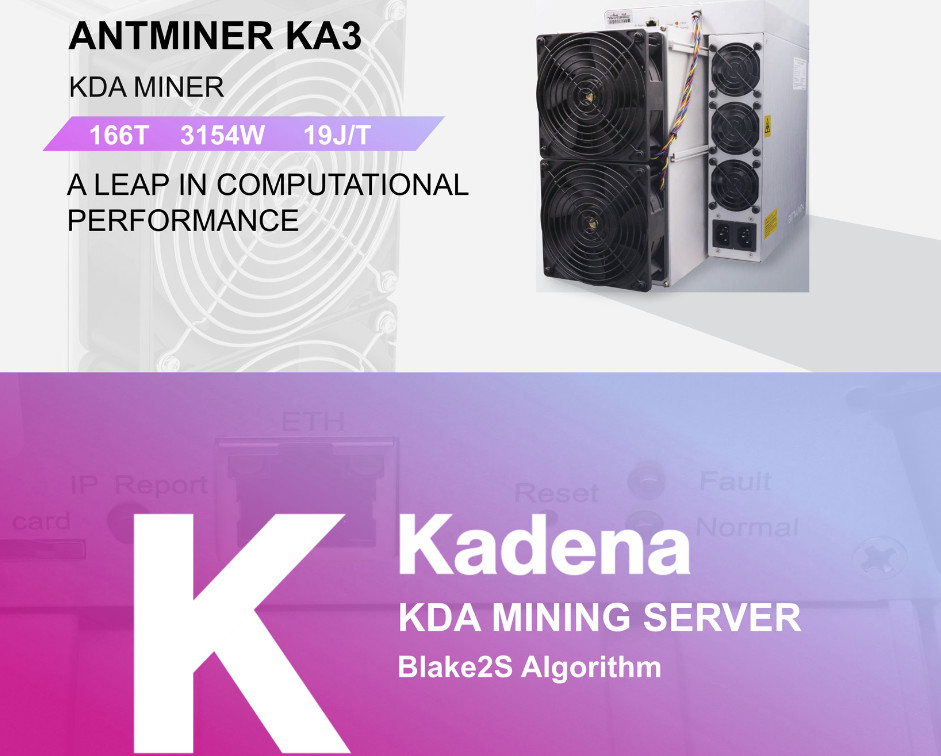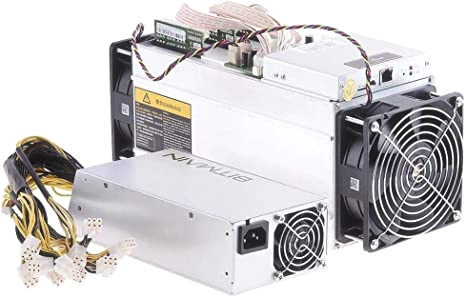

Bitcoin mining has become a significant industry, with many investors and companies entering the space. One of the most critical factors influencing the profitability of Bitcoin mining is the cost of electricity. Understanding how electricity rates work can help miners make informed decisions about their operations.
Electricity Costs: A Major Factor in Mining
The cost of electricity is often the largest operational expense for Bitcoin miners. As the demand for Bitcoin increases, so does the competition among miners, leading to a greater focus on minimizing costs. One strategy that has emerged is locking in electricity rates through long-term contracts.
According to OneMiners, a seven-year fixed electricity rate can provide stability in an otherwise volatile market. This approach allows miners to predict their expenses accurately and plan their operations accordingly.
Benefits of Fixed Electricity Rates
- Cost Predictability: Miners can forecast their expenses, which is crucial for budgeting.
- Protection Against Price Fluctuations: Fixed rates shield miners from sudden spikes in electricity prices.
- Long-Term Planning: With a stable cost structure, miners can invest in better equipment and technology.
In regions where electricity prices are high, miners may struggle to remain profitable. Therefore, understanding local energy markets and exploring options for fixed-rate contracts can be beneficial.

The Impact of Location on Mining Costs
The geographical location of a mining operation plays a crucial role in determining electricity costs. Areas with abundant renewable energy sources, such as hydroelectric power, often provide cheaper electricity rates. For instance, regions like Quebec and Washington State have become popular for Bitcoin mining due to their low energy costs.
Moreover, miners should consider the infrastructure available in their chosen location. Reliable power supply and cooling systems are essential for maintaining efficient mining operations. As noted by CoinDesk, the integration of advanced technologies in mining facilities can further reduce operational costs.
Future Trends in Bitcoin Mining Costs
As the Bitcoin network evolves, so too will the dynamics of mining costs. Innovations in mining hardware and software are expected to enhance efficiency, potentially lowering the cost per Bitcoin mined. Additionally, the growing emphasis on sustainability may lead to more miners seeking renewable energy sources to power their operations.
Furthermore, regulatory changes can impact electricity prices and availability. For example, the recent developments in the cryptocurrency regulatory landscape may influence how miners operate in different regions. Keeping abreast of these changes is vital for anyone involved in Bitcoin mining.
In conclusion, understanding the intricacies of Bitcoin mining costs, particularly the role of electricity rates, is essential for miners aiming to maximize profitability. By considering fixed-rate contracts and the advantages of location, miners can better navigate the challenges of this competitive industry. For more insights on Bitcoin mining and energy costs, check out the detailed analysis on OneMiners.
Additional reading: Liquid Network Announces Final Stages of Recovery Following Massive Hack from Bitcoin Magazine.