

Bitcoin mining has become a cornerstone of the cryptocurrency ecosystem, driving the validation of transactions and the creation of new coins. As the demand for Bitcoin continues to grow, so do the challenges and innovations surrounding mining operations.
Understanding Bitcoin Mining
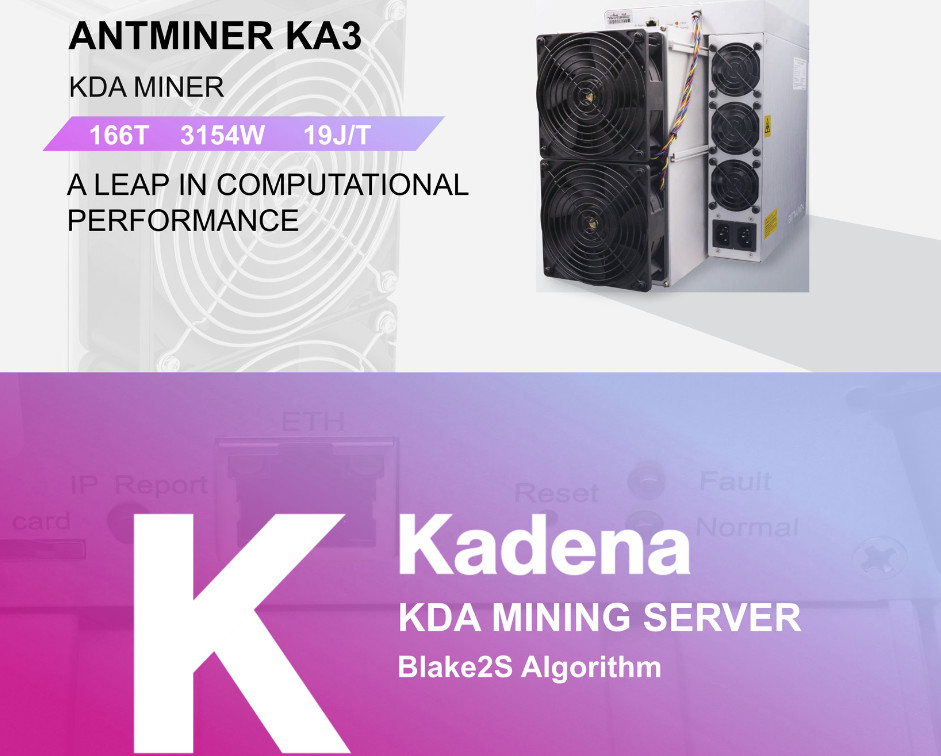
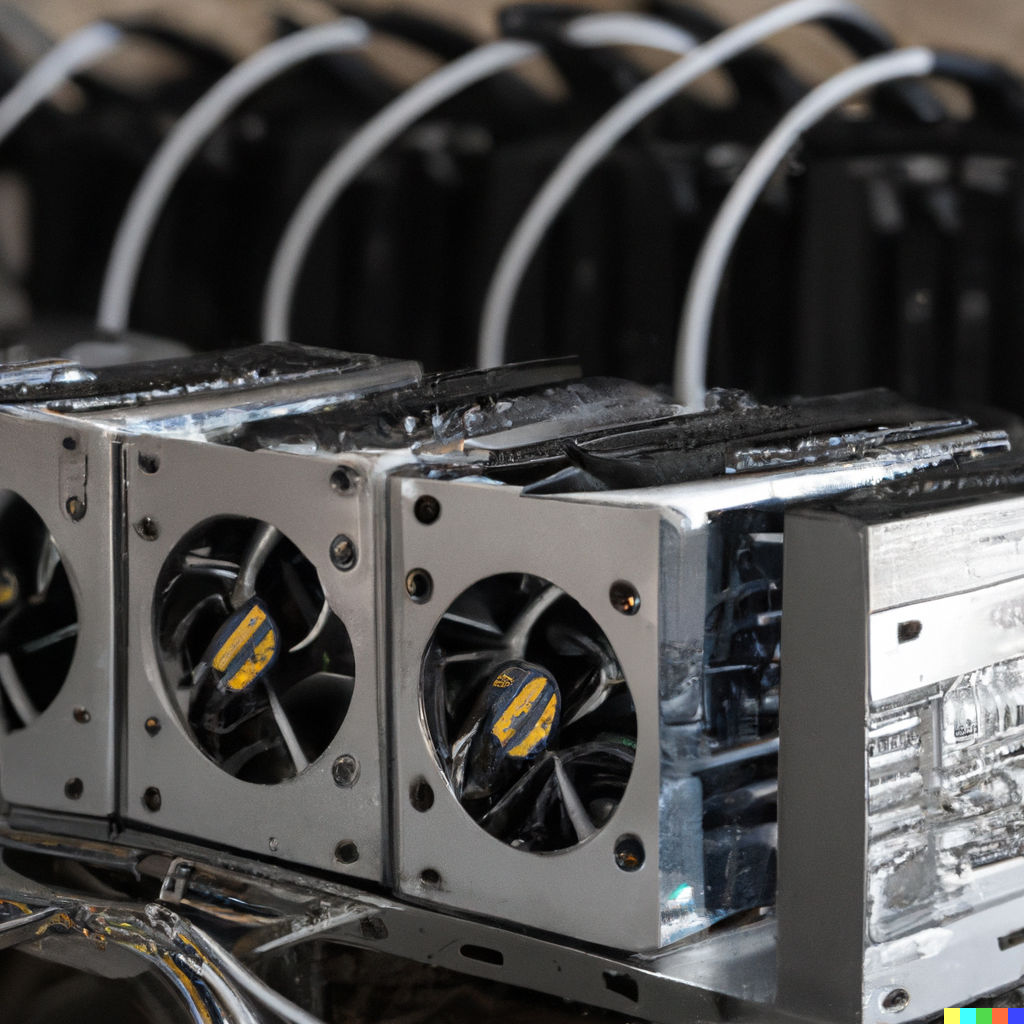
At its core, Bitcoin mining involves solving complex mathematical problems to validate transactions on the Bitcoin network. Miners use powerful computers, known as ASICs (Application-Specific Integrated Circuits), to compete in this process. The first miner to solve the problem gets to add a new block to the blockchain and is rewarded with newly minted Bitcoins.
Energy Consumption Concerns
One of the most pressing issues facing Bitcoin mining is its energy consumption. According to a report by OneMiners, the energy demands of mining operations have led to significant scrutiny from environmental advocates and regulators alike. As Bitcoin’s popularity surges, the need for sustainable energy sources becomes increasingly critical.
Innovations in Mining Technology
To address energy concerns, many mining operations are exploring innovative technologies. For instance, companies are investing in renewable energy sources such as solar and wind power to reduce their carbon footprint. Additionally, advancements in cooling technologies are helping to minimize energy usage in data centers.
Furthermore, the integration of AI and machine learning in mining operations is gaining traction. These technologies can optimize energy consumption and improve the efficiency of mining rigs. As highlighted in a recent article by CoinDesk, firms are increasingly looking at ways to enhance their operational efficiency through technological advancements.
Regulatory Landscape
The regulatory environment surrounding Bitcoin mining is also evolving. Governments worldwide are beginning to implement regulations aimed at curbing the environmental impact of mining. For example, Canada is drafting rules that cap redemption fees for stablecoins, which could indirectly affect mining operations by influencing the broader cryptocurrency market, as reported by Decrypt.
Future Outlook for Bitcoin Mining
As the Bitcoin mining landscape continues to evolve, miners must adapt to changing regulations, technological advancements, and energy demands. The future of Bitcoin mining will likely see a greater emphasis on sustainability and efficiency, with innovations paving the way for a more environmentally friendly approach.
In conclusion, Bitcoin mining is at a crossroads. While it faces significant challenges, the ongoing innovations in technology and energy solutions present a promising future. As the industry adapts, it will be crucial for miners to embrace these changes to remain competitive and sustainable.