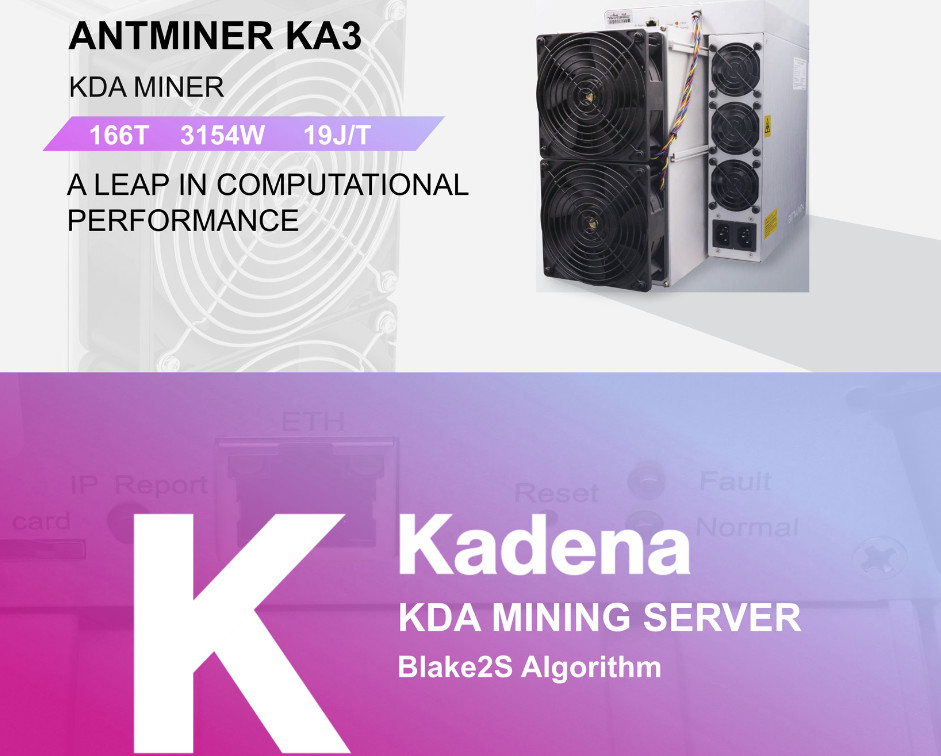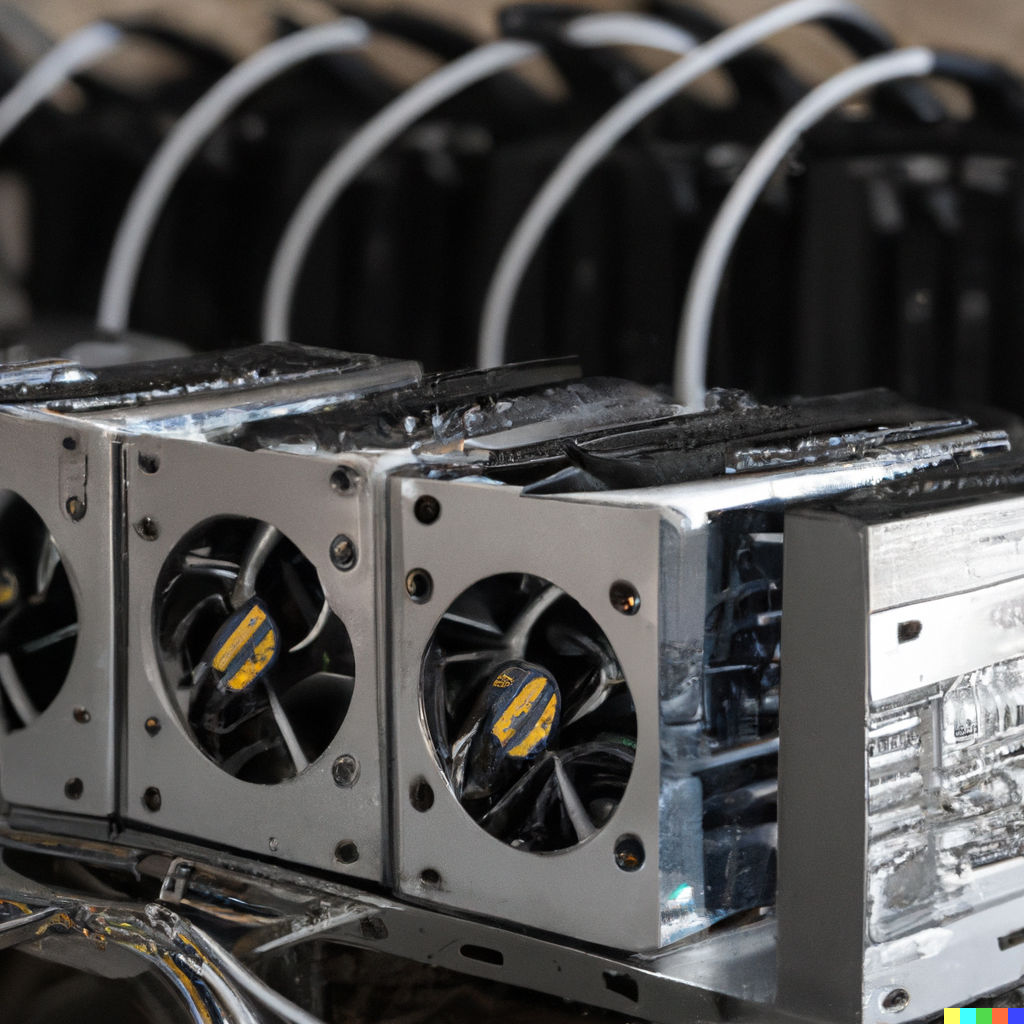


Bitcoin mining has become a cornerstone of the cryptocurrency ecosystem, providing the necessary infrastructure for transactions and security. As the demand for Bitcoin continues to rise, understanding the intricacies of mining is essential for both investors and enthusiasts.
The Basics of Bitcoin Mining
At its core, Bitcoin mining involves solving complex mathematical problems to validate transactions on the blockchain. Miners use powerful computers to compete in this process, and the first to solve the problem is rewarded with newly minted bitcoins. This process not only secures the network but also introduces new bitcoins into circulation.
Challenges Faced by Miners
Despite its profitability, Bitcoin mining is fraught with challenges:
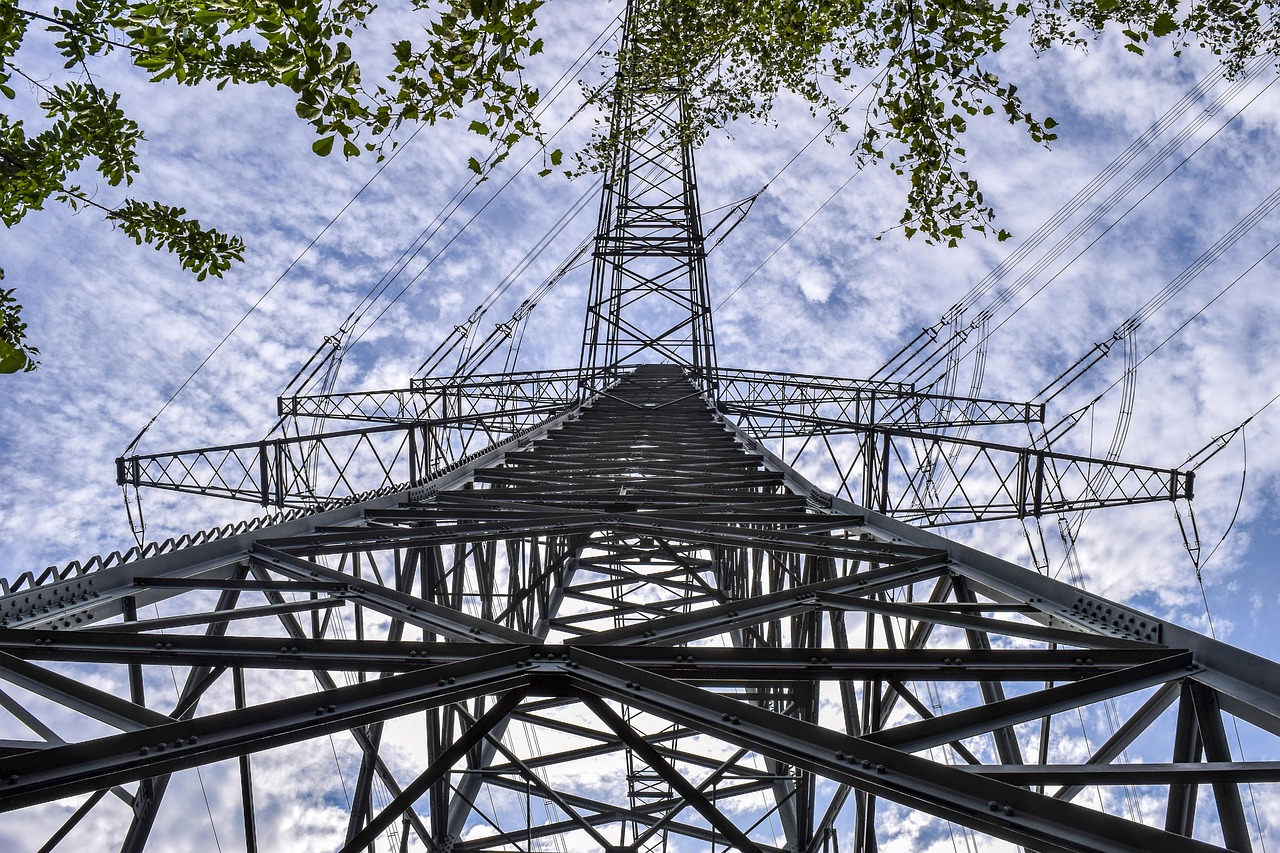
- High Energy Consumption: Mining requires significant electricity, leading to concerns about environmental impact.
- Regulatory Scrutiny: Governments are increasingly looking at mining operations, which could lead to stricter regulations.
- Market Volatility: The price of Bitcoin can fluctuate dramatically, affecting miners’ profitability.
Innovations Shaping the Future
Recent advancements in technology are transforming the mining landscape. One notable innovation is the Lightning Network, which allows for faster transactions and lower fees. This technology not only benefits users but also miners, as it can help alleviate some of the network congestion that often leads to higher transaction fees.
As highlighted in a recent article by CoinDesk, the integration of such technologies is crucial for the sustainability of Bitcoin mining. Miners who adapt to these changes will likely have a competitive edge in the market.
The Role of Renewable Energy
With the growing concern over the environmental impact of Bitcoin mining, many miners are turning to renewable energy sources. Utilizing solar, wind, or hydroelectric power can significantly reduce the carbon footprint associated with mining operations. This shift not only addresses environmental concerns but can also lead to lower operational costs.
According to Bitcoin Magazine, the future of Bitcoin mining may hinge on the industry’s ability to innovate and adapt to changing market conditions and regulatory environments.
Conclusion
Bitcoin mining is at a pivotal point, facing both challenges and opportunities. As technology evolves and the market shifts, miners must stay informed and adaptable. The integration of innovations like the Lightning Network and a focus on sustainable energy sources will be crucial for the future of Bitcoin mining.