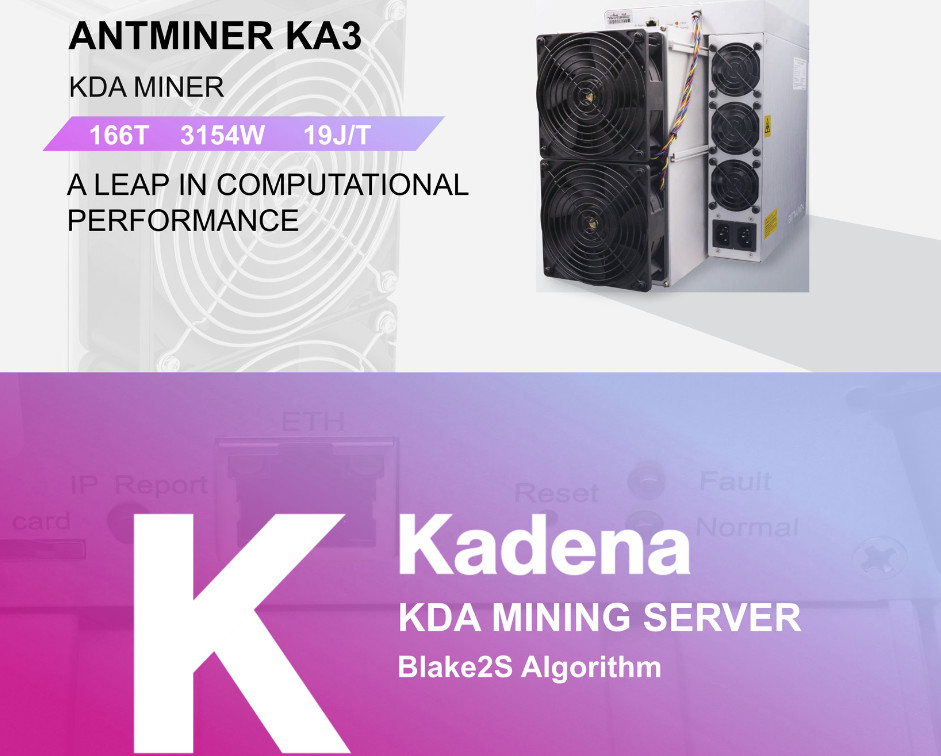


Bitcoin mining is a crucial component of the cryptocurrency ecosystem, serving as the process through which new bitcoins are created and transactions are verified. This article will delve into the mechanics of Bitcoin mining, its profitability, and the environmental concerns associated with it.
What is Bitcoin Mining?
At its core, Bitcoin mining involves solving complex mathematical problems to validate transactions on the Bitcoin network. Miners use powerful computers to compete against each other in solving these problems, and the first one to succeed gets to add a new block to the blockchain. In return, they receive a reward in the form of newly minted bitcoins and transaction fees.
Hashrate Units Explained
Understanding the efficiency of mining operations requires knowledge of hashrate units. These units, such as TH/s (terahashes per second), PH/s (petahashes per second), and EH/s (exahashes per second), indicate the computational power of a miner. For a detailed explanation of these units, refer to the article on OneMiners.

Profitability of Bitcoin Mining
The profitability of Bitcoin mining depends on several factors, including the cost of electricity, the price of Bitcoin, and the efficiency of mining hardware. As the Bitcoin network becomes more competitive, miners must continuously upgrade their equipment to remain profitable.
Recent trends show fluctuations in Bitcoin prices, which can significantly impact mining profitability. For instance, Bitcoin recently dipped below $70,000, prompting discussions about the sustainability of mining operations amid rising costs and market volatility. More on this can be found in the CoinDesk article.
Environmental Impact of Bitcoin Mining
One of the most pressing issues surrounding Bitcoin mining is its environmental impact. The energy consumption associated with mining operations has raised concerns about sustainability. Critics argue that the high energy usage contributes to carbon emissions and climate change.
In response to these concerns, some miners are exploring renewable energy sources to power their operations. This shift not only helps reduce the carbon footprint but also can lower operational costs in the long run. For insights into the broader implications of energy consumption in tech, check out the Decrypt article.
Conclusion
Bitcoin mining is a complex yet fascinating aspect of the cryptocurrency world. Understanding its mechanics, profitability, and environmental implications is essential for anyone interested in this field. As the landscape continues to evolve, staying informed will be key to navigating the challenges and opportunities that lie ahead.