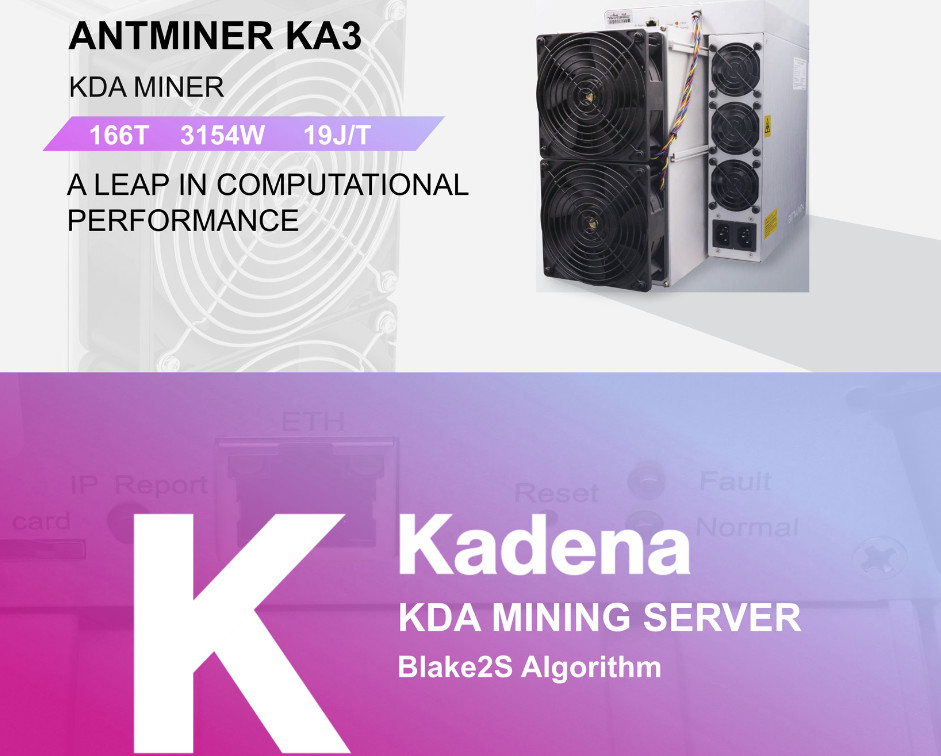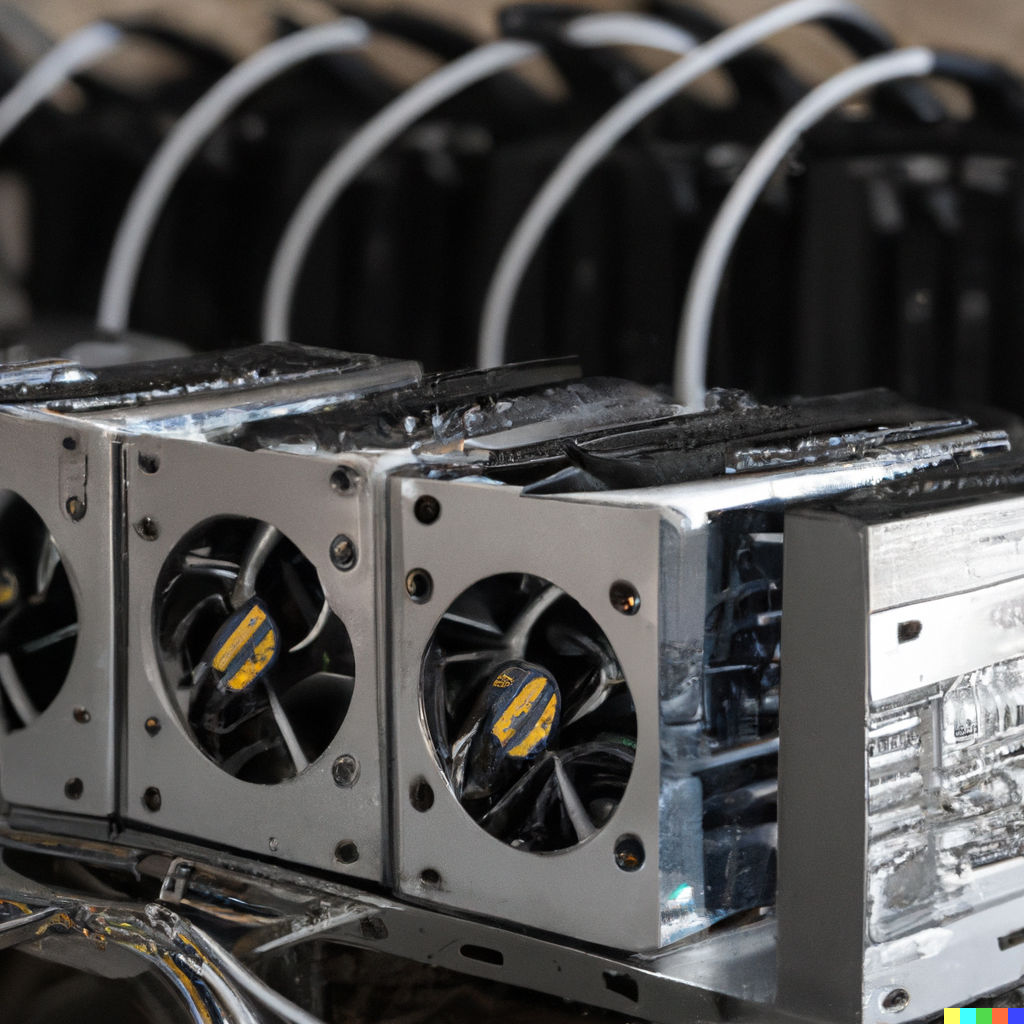


Bitcoin mining is a critical component of the Bitcoin network, enabling transactions and maintaining the blockchain. In this article, we will explore the fundamentals of Bitcoin mining, including hashrate units, energy consumption, and profitability.
What is Bitcoin Mining?
Bitcoin mining is the process by which new bitcoins are created and transactions are verified on the Bitcoin network. Miners use powerful computers to solve complex mathematical problems, and in return, they are rewarded with bitcoins. This process not only generates new coins but also secures the network.
Hashrate Units Explained
Understanding hashrate is essential for anyone involved in Bitcoin mining. Hashrate measures the computational power of a miner’s equipment. It is typically expressed in units such as TH/s (terahashes per second), PH/s (petahashes per second), EH/s (exahashes per second), and ZH/s (zettahashes per second). Each unit represents a different scale of processing power, with higher values indicating more powerful mining capabilities.
For a detailed explanation of these units, check out the article from OneMiners.

Energy Consumption in Bitcoin Mining
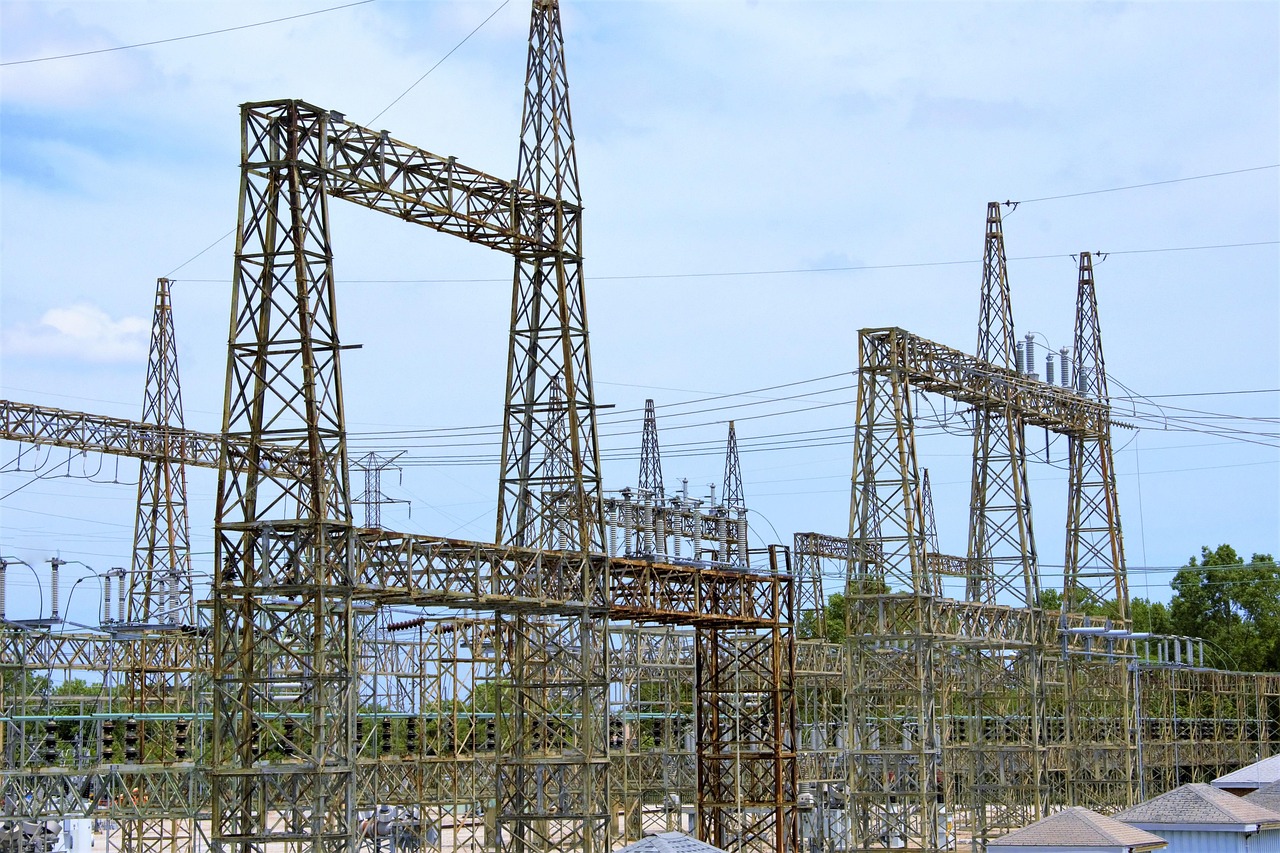
One of the most significant concerns regarding Bitcoin mining is its energy consumption. Mining operations require substantial amounts of electricity, leading to debates about their environmental impact. Miners often seek locations with cheap electricity to maximize profitability, which can sometimes lead to negative environmental consequences.
According to various studies, the energy consumption of Bitcoin mining has been compared to that of entire countries. This has raised questions about sustainability and the future of mining practices.
Profitability of Bitcoin Mining
The profitability of Bitcoin mining depends on several factors, including the cost of electricity, the efficiency of mining hardware, and the current price of Bitcoin. Miners must carefully calculate their expenses and potential earnings to determine if mining is a viable option for them.
As the Bitcoin network becomes more competitive, miners may need to invest in more efficient hardware or join mining pools to increase their chances of earning rewards. The dynamics of profitability are constantly changing, influenced by market trends and technological advancements.
Conclusion
Bitcoin mining is a complex and evolving field that plays a crucial role in the cryptocurrency ecosystem. Understanding the intricacies of hashrate units, energy consumption, and profitability can help potential miners make informed decisions. As the industry continues to grow, staying updated on the latest developments will be essential for success.
For more insights into the Bitcoin market and mining strategies, consider reading articles from CoinDesk and Decrypt.