
Bitcoin mining is a crucial aspect of the cryptocurrency ecosystem, enabling transactions and securing the network. As the demand for Bitcoin grows, understanding the intricacies of mining becomes essential for both enthusiasts and investors.
What is Bitcoin Mining?
Bitcoin mining involves validating transactions on the Bitcoin network and adding them to the blockchain. Miners use powerful computers to solve complex mathematical problems, which requires significant computational power. The first miner to solve the problem gets to add a block to the blockchain and is rewarded with newly minted bitcoins.
Hashrate Units Explained
One of the key metrics in Bitcoin mining is hashrate, which measures the computational power of the miner. Hashrate is expressed in various units:
- TH/s (Terahashes per second)
- PH/s (Petahashes per second)
- EH/s (Exahashes per second)
- ZH/s (Zettahashes per second)
Understanding these units helps miners gauge their performance and compare it with the overall network hashrate. For a detailed breakdown of these units, check out the article on OneMiners.
Mining Equipment and Technology
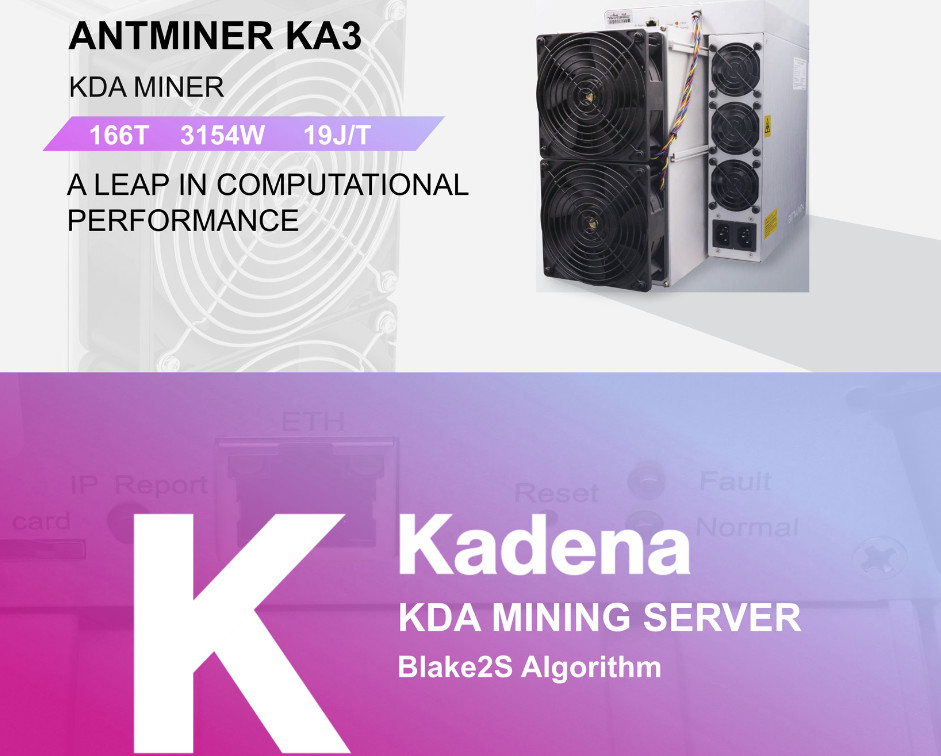
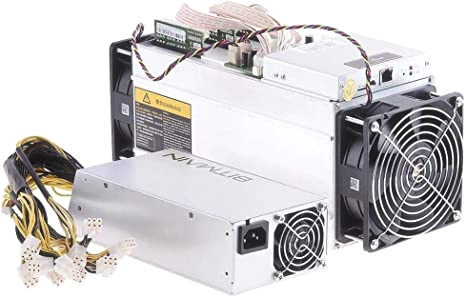
To effectively mine Bitcoin, miners require specialized hardware known as ASICs (Application-Specific Integrated Circuits). These devices are designed specifically for mining and offer superior performance compared to traditional GPUs (Graphics Processing Units).
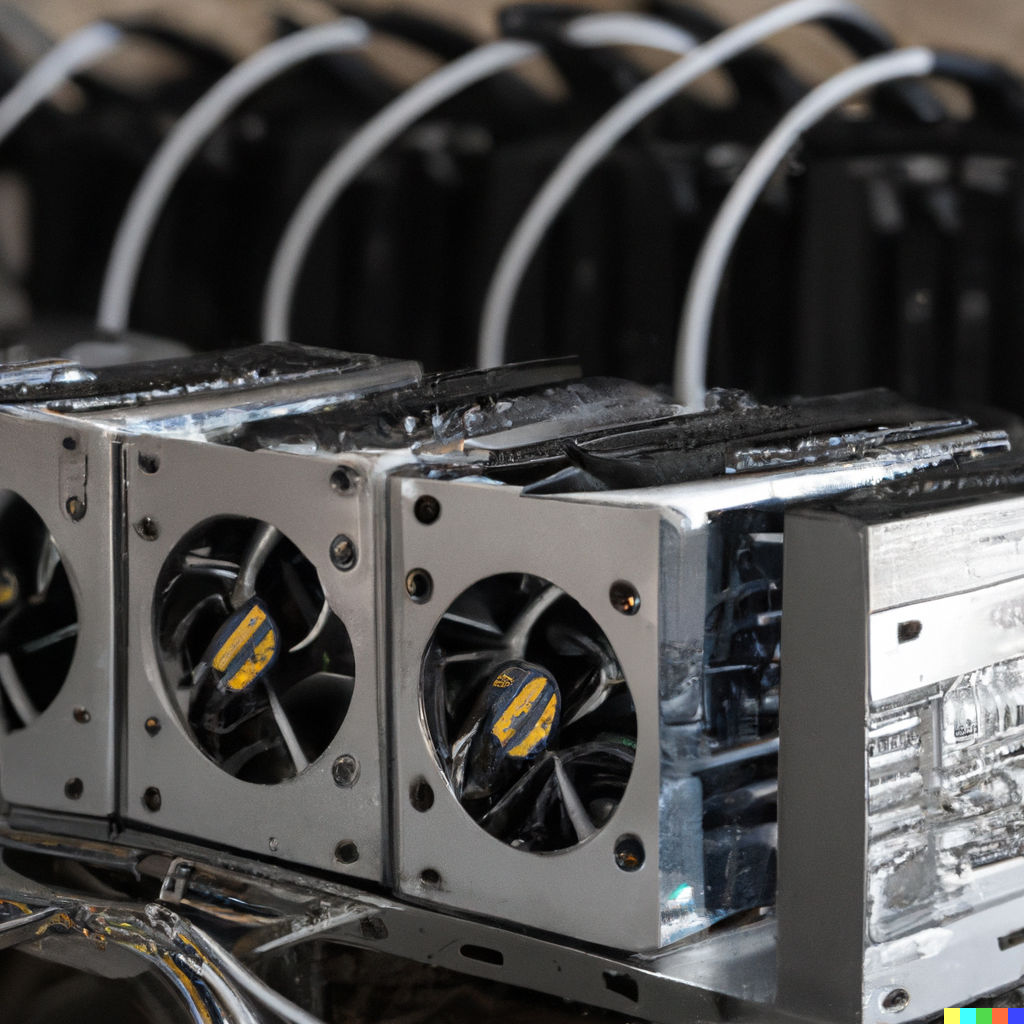
As technology evolves, miners are also investing in cooling systems to manage the heat generated by these machines. Efficient cooling is vital to maintain optimal performance and prolong the lifespan of mining equipment.
Environmental Impact of Bitcoin Mining
Bitcoin mining has faced criticism due to its energy consumption. Miners often seek locations with cheap electricity to maximize profitability, which can lead to environmental concerns. Some companies are exploring renewable energy sources to mitigate their carbon footprint.
For instance, a recent article from Decrypt discusses how the industry is adapting to these challenges.

The Future of Bitcoin Mining
The landscape of Bitcoin mining is constantly changing. As more miners join the network, the difficulty of mining increases, requiring more advanced technology and greater energy consumption. Additionally, regulatory changes and market dynamics can significantly impact mining operations.
Investors and miners alike should stay informed about these trends to make educated decisions. For insights on market movements, articles from CoinDesk provide valuable information on related developments.

Conclusion
Bitcoin mining remains a vital component of the cryptocurrency ecosystem. Understanding the technology, environmental implications, and future trends is essential for anyone interested in this space. As the industry evolves, staying informed will be key to navigating the challenges and opportunities that arise.