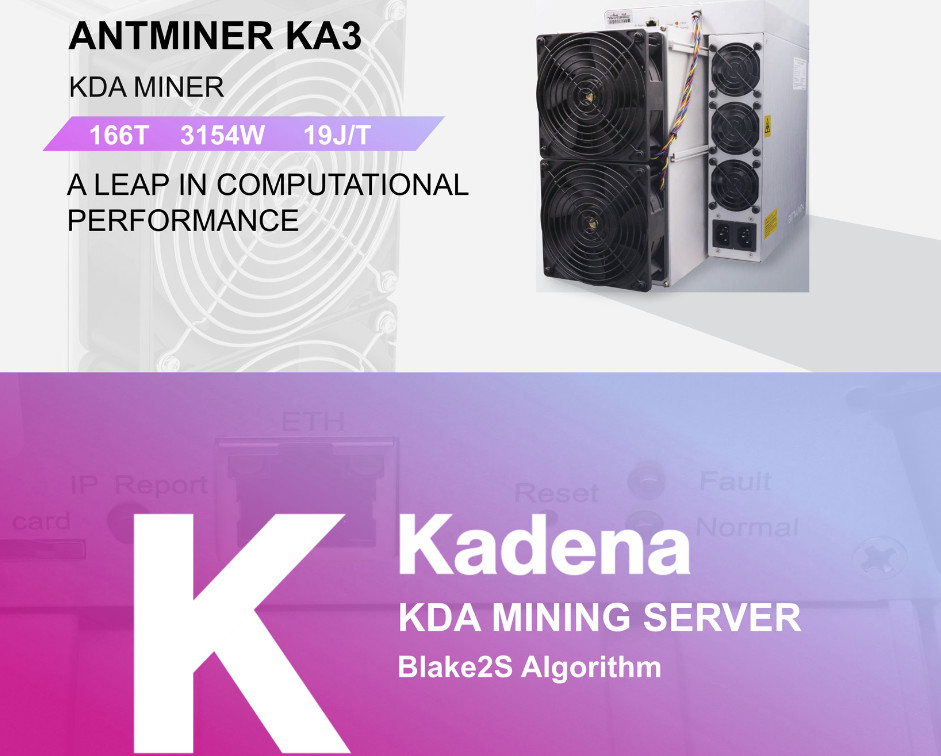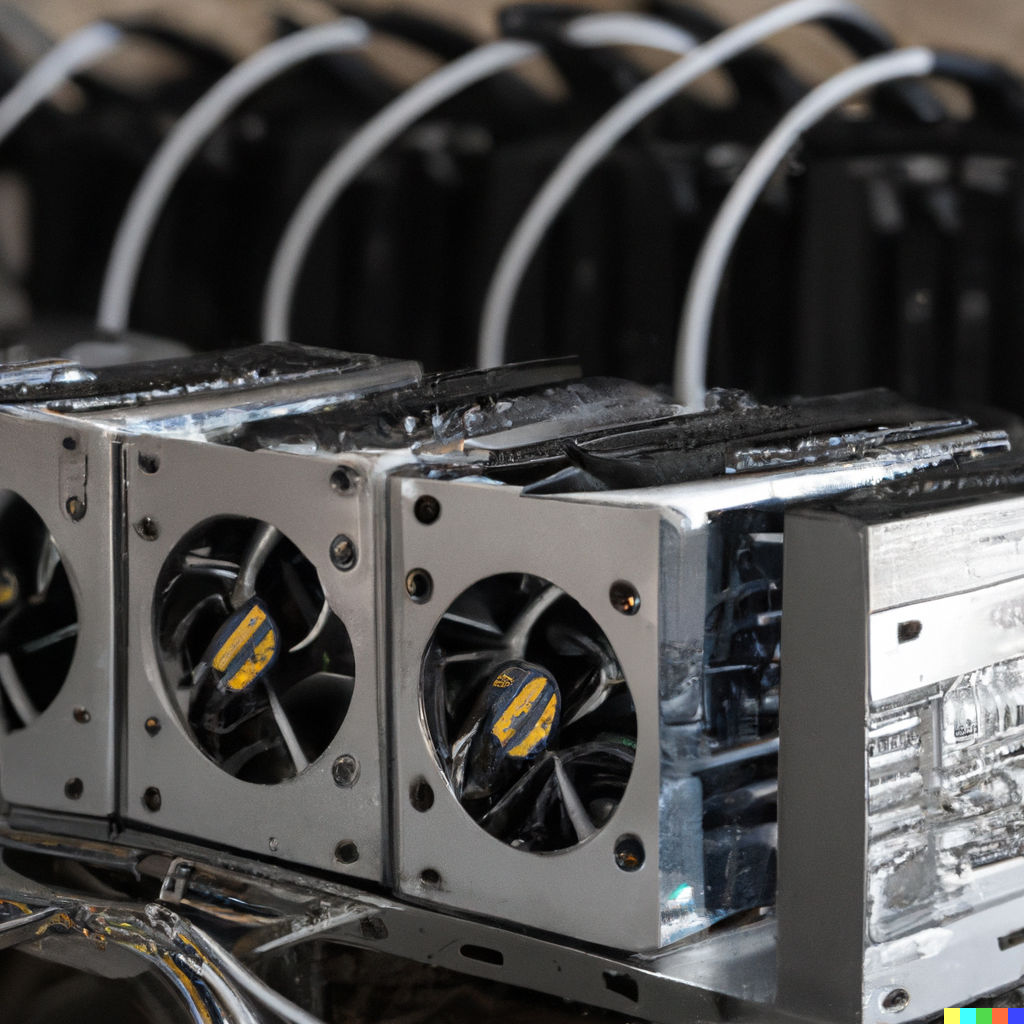


Bitcoin mining is a crucial aspect of the cryptocurrency ecosystem, enabling transactions and securing the network. In this article, we will delve into how miners get paid, focusing on the coinbase transaction and the factors influencing Bitcoin’s market dynamics.
What is Bitcoin Mining?
Bitcoin mining involves solving complex mathematical problems to validate transactions on the Bitcoin network. Miners compete to add new blocks to the blockchain, and in return, they receive rewards in the form of newly minted bitcoins and transaction fees.
The Coinbase Transaction
At the heart of Bitcoin mining is the coinbase transaction, which is the first transaction in a block. This transaction is unique because it creates new bitcoins and pays the miner for their efforts. According to OneMiners, the coinbase transaction includes the block subsidy plus any transaction fees from the transactions included in that block.
Block Subsidy and Fees
The block subsidy is the reward miners receive for successfully mining a block. This subsidy decreases approximately every four years in an event known as the halving. As of now, miners receive a set number of bitcoins for each block mined, which will continue to decrease until the maximum supply of 21 million bitcoins is reached.
In addition to the block subsidy, miners also earn transaction fees from users who want their transactions included in the next block. This fee structure incentivizes miners to prioritize transactions based on the fees offered.

Market Trends Impacting Bitcoin Mining
Bitcoin’s price volatility significantly affects mining profitability. Recent reports indicate that Bitcoin is at risk of falling below $60,000 due to various market pressures, including rising bond yields and ETF outflows, which could lead to a deeper sell-off in the crypto market (CoinDesk).
Energy Consumption and Costs
Mining requires substantial energy resources, which can impact operational costs. Miners must consider electricity prices in their location, as high energy costs can erode profits. The infrastructure supporting Bitcoin mining, including power plants and cooling systems, is critical for maintaining efficiency and profitability.
Security Risks in Bitcoin Mining
As the mining landscape evolves, so do the risks associated with it. Recent incidents have highlighted vulnerabilities, such as hackers redirecting miner rewards through sophisticated AI attacks (Decrypt). Miners must implement robust security measures to protect their operations and earnings.
Conclusion
Bitcoin mining is a complex and dynamic process that plays a vital role in the cryptocurrency ecosystem. Understanding how miners earn rewards through the coinbase transaction and the factors affecting market trends is essential for anyone interested in the future of Bitcoin. As the landscape continues to evolve, staying informed about market conditions and security measures will be crucial for miners.