

Bitcoin mining is a crucial process that enables the Bitcoin network to function. It involves solving complex mathematical problems to validate transactions and add them to the blockchain. Miners are rewarded for their efforts, but understanding how this payment system works is essential for anyone interested in cryptocurrency.
How Miners Get Paid
At the heart of Bitcoin mining is the coinbase transaction, which is how miners receive their rewards. Each time a miner successfully adds a block to the blockchain, they are granted a certain number of bitcoins. This process is known as the block reward, which is currently set at 6.25 BTC per block. However, this reward halves approximately every four years, a process known as the halving event. The next halving is expected to occur in 2028, reducing the reward to 3.125 BTC.
In addition to the block reward, miners also earn transaction fees from the transactions included in the block they mine. These fees can vary based on network demand and the size of the transactions. As the Bitcoin network grows, transaction fees may become a more significant part of miners’ earnings, especially as block rewards decrease.
The Role of Mining Pools
Many individual miners join mining pools to increase their chances of earning rewards. In a mining pool, miners combine their computational power to solve blocks more efficiently. When a block is mined, the reward is distributed among all pool members based on their contributed processing power. This method allows smaller miners to receive more consistent payouts, rather than waiting for long periods to mine a block on their own.

Market Influences on Mining Profitability
The profitability of Bitcoin mining is influenced by several factors, including the price of Bitcoin, electricity costs, and mining difficulty. As Bitcoin prices fluctuate, so does the potential profit for miners. For instance, recent reports indicate that Bitcoin risks falling below $60,000 due to various market pressures, including rising bond yields and ETF outflows. Such market conditions can lead to forced selling, impacting miners’ earnings significantly (CoinDesk).
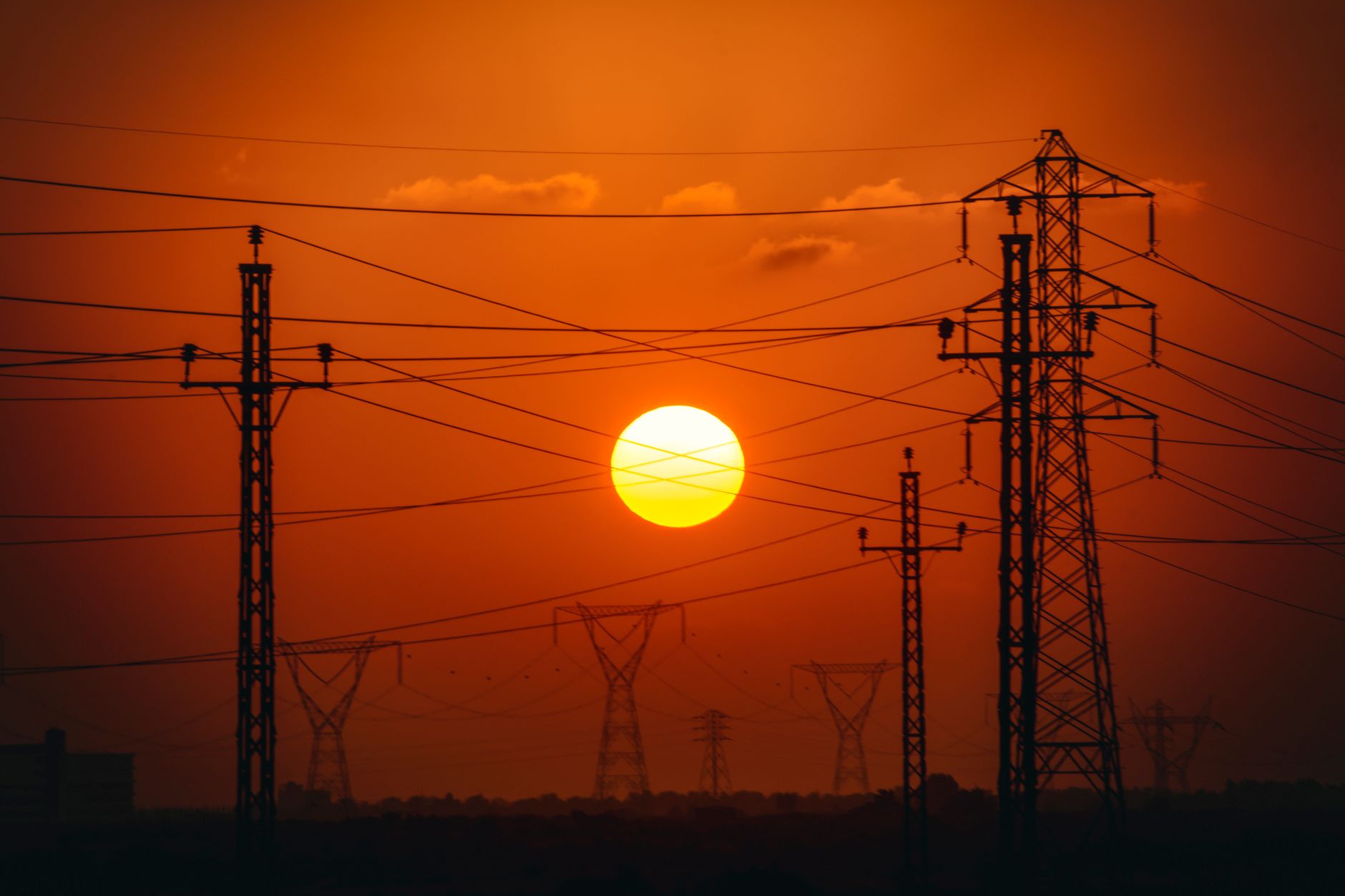
Electricity costs are another critical factor. Mining operations require substantial energy, and locations with cheaper electricity can provide a competitive advantage. Miners often seek out regions with low energy costs to maximize their profitability. Additionally, the mining difficulty adjusts approximately every two weeks, which can also affect how quickly miners can solve blocks and earn rewards.
Future of Bitcoin Mining
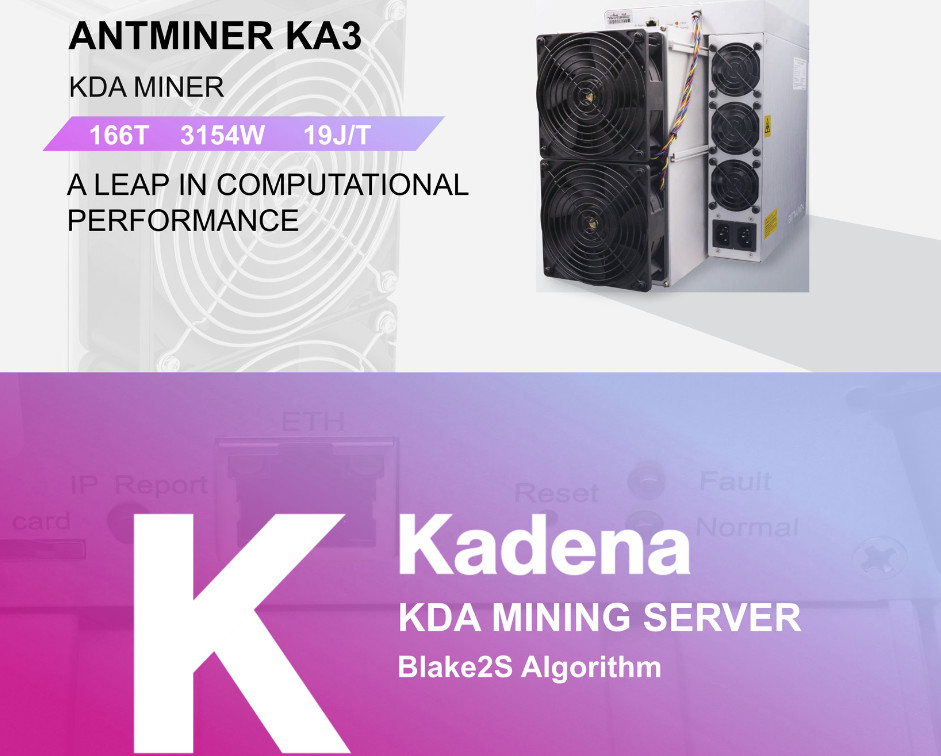
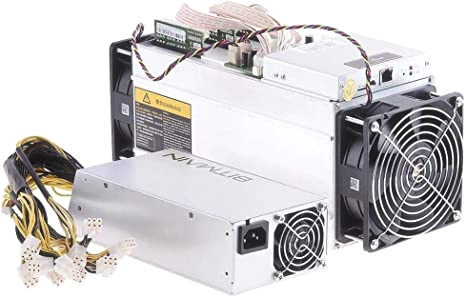
As the Bitcoin network evolves, so too will the mining landscape. Innovations in mining technology and energy efficiency are likely to shape the future of this industry. For example, advancements in ASIC (Application-Specific Integrated Circuit) technology continue to enhance mining performance, making it possible for miners to operate more efficiently.
Moreover, regulatory changes and environmental concerns are increasingly influencing mining operations. Miners are under pressure to adopt more sustainable practices, which may lead to a shift towards renewable energy sources. This transition could not only reduce costs but also improve the public perception of Bitcoin mining.
Additional reading: Why Bitcoin’s June Low May Not Be the Bottom — $58K the Key Test from Bitcoin Magazine.
Conclusion
Understanding Bitcoin mining is essential for anyone looking to engage with cryptocurrency. From how miners are compensated through coinbase transactions to the impact of market dynamics on profitability, the mining process is complex yet fascinating. As the industry continues to evolve, staying informed about these changes will be crucial for miners and investors alike.