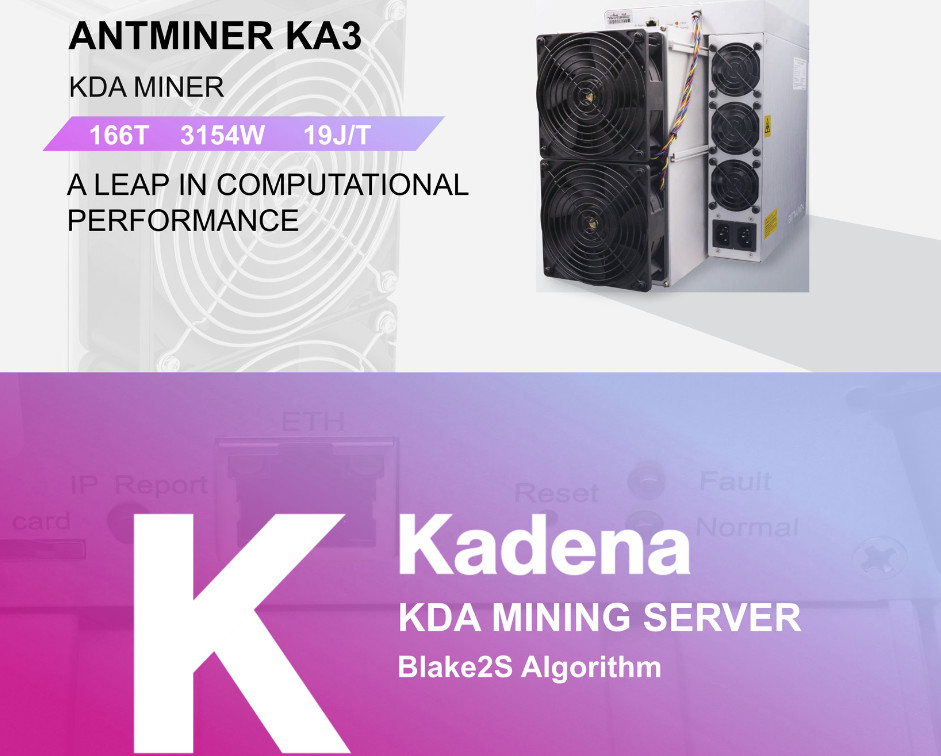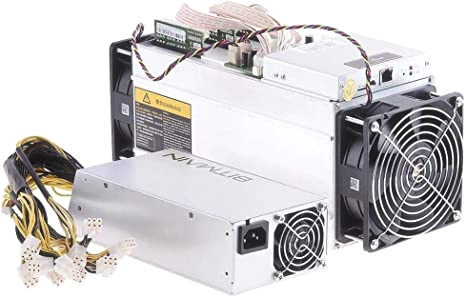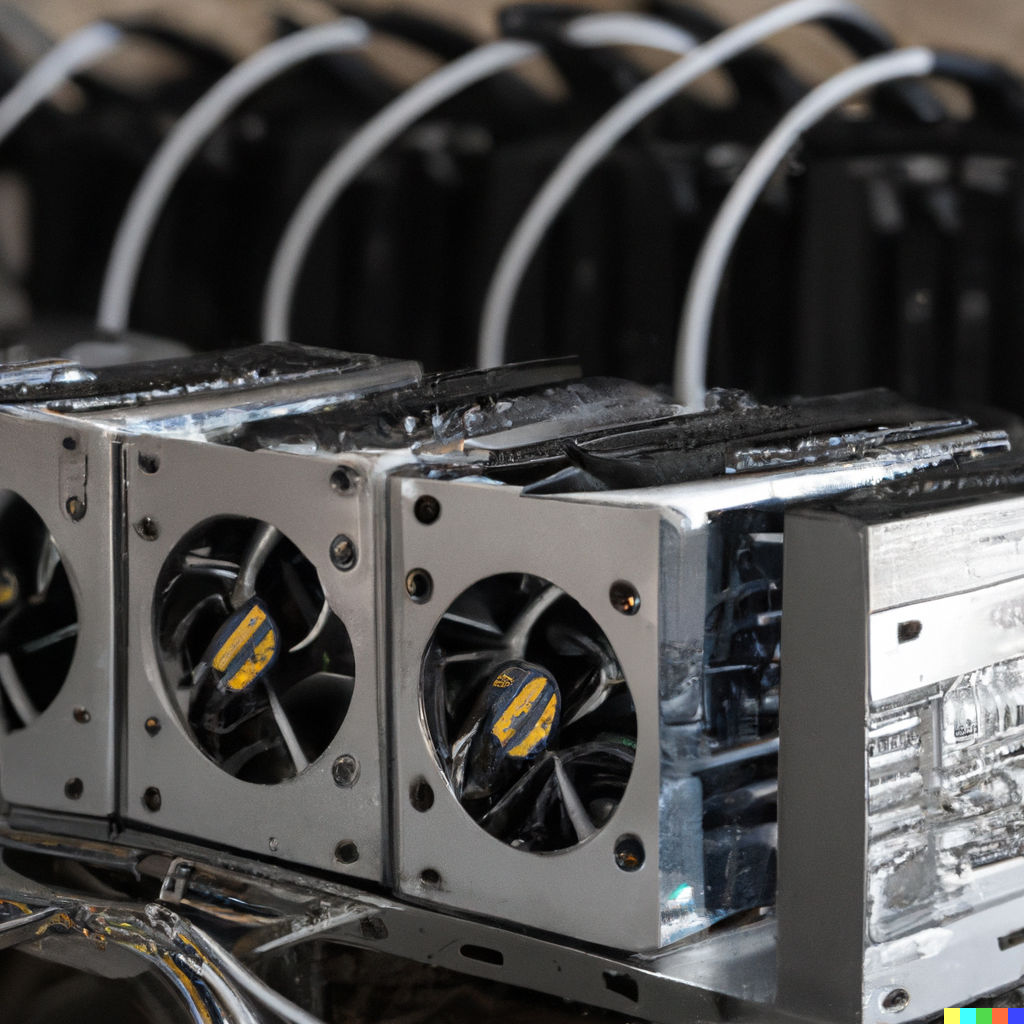


Bitcoin mining is a crucial component of the Bitcoin network, enabling transactions and securing the blockchain. Miners use powerful computers to solve complex mathematical problems, which allows them to add new blocks to the blockchain and earn rewards.
How Miners Get Paid
At the heart of Bitcoin mining is the coinbase transaction, which is how miners receive their rewards. Each time a miner successfully adds a block to the blockchain, they are rewarded with newly minted bitcoins and transaction fees from the transactions included in that block. This process is essential for maintaining the integrity and security of the Bitcoin network.
According to a detailed explanation from OneMiners, the rewards consist of a block subsidy and transaction fees. The block subsidy is halved approximately every four years, which is known as the Bitcoin halving. This event significantly impacts miners’ earnings and the overall supply of Bitcoin.
The Impact of Market Trends
Market conditions can greatly influence the profitability of Bitcoin mining. For instance, recent analyses suggest that Bitcoin could slide into the $50,000s due to various factors, including ETF outflows and weak demand, as reported by CoinDesk. Such fluctuations can affect miners’ decisions regarding whether to continue mining or to temporarily shut down operations.
Moreover, the ongoing technological advancements in mining hardware, such as ASIC miners, have made it possible for miners to operate more efficiently. However, these advancements also require significant capital investment, which can be a barrier for new entrants into the mining space.
As the Bitcoin network evolves, miners must adapt to changing conditions. The increasing difficulty of mining, coupled with the halving events, means that miners need to stay informed about market trends and technological developments to remain profitable.
In addition to the technical aspects, regulatory changes can also impact mining operations. For example, certain regions have implemented stricter regulations on energy consumption, which can affect the feasibility of mining in those areas. Miners must navigate these regulations while also considering the environmental impact of their operations.
In conclusion, understanding how Bitcoin miners get paid through the coinbase transaction is essential for anyone interested in the cryptocurrency space. The interplay between market trends, technological advancements, and regulatory changes creates a dynamic environment for miners. Staying informed and adaptable is key to success in this evolving landscape.
Additional reading: Why Bitcoin’s June Low May Not Be the Bottom — $58K the Key Test from Bitcoin Magazine.